
Behind the Scenes of Concept Art Studios: How Games Begin with Art
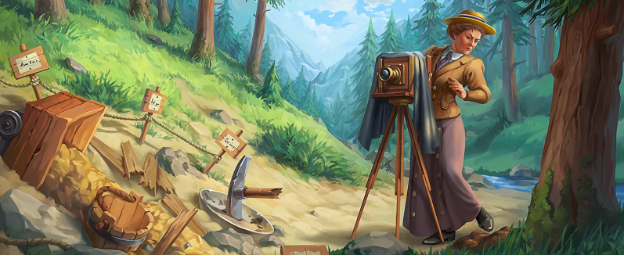
I’ve spent enough time in the game art industry to know this: creating concept art is much more than just sketching cool characters or fantasy worlds. Especially when you’re part of a concept art studio, where creativity meets deadlines, feedback loops, and the need for consistency across an entire game.
If you’re in need of a concept art team that truly understands the demands of game production — from early ideation to production-ready designs — take a look at RocketBrush Studio’s concept art services.
What Concept Art Studios Actually Do
There is a big difference between a solo artist experimenting on their tablet and a structured concept art studio working as part of a production pipeline. A professional studio is not just focused on illustration. It is focused on delivering clear visual direction for game developers.
Whether it’s a dystopian cityscape, a stylized fantasy hero, or a set of vehicles for a sci-fi strategy game, concept art teams help bring early ideas into visual form. These early-stage visuals often become the reference point for 3D artists, animators, and level designers.
So no, concept art is not just about looking good. It is about setting a direction, both visually and emotionally, that guides the rest of the game’s development.
Why Developers Choose Concept Art Companies
I have worked with teams from indie developers to large publishers, and their reasons for working with concept art companies tend to be surprisingly consistent. They need results fast, and they cannot afford to get it wrong.
Hiring and training an in-house team takes time and budget. Unless you are running a massive studio, it is hard to justify the overhead for something you might only need in certain phases. With an external concept art team, you gain access to trained specialists who already understand the tools, the language of game art, and the production environment.
Most importantly, experienced concept art companies can adapt. Whether the project is hyper-casual, photorealistic, or highly stylized, they already have a system in place to deliver.
How a Concept Art Outsourcing Studio Works
Outsourcing is not just about saving time. It is about integrating the right team at the right moment. A reliable concept art outsourcing studio functions more like a creative extension of your team rather than a distant vendor.
Here is how a typical project flows:
Step 1: Project Brief
Everything starts with a detailed briefing. The client outlines their goals, provides references, and sets the tone for what they are looking for. This is where clarity matters most. The more aligned the teams are upfront, the smoother the rest of the process will be.
Step 2: Style Research and Moodboards
The studio gathers visual references, researches appropriate styles, and builds moodboards that reflect the client’s expectations. This is where the visual language of the game begins to take shape.
Step 3: Initial Sketches
Rough concepts are created to explore different directions. At this stage, it is not about perfection. It is about finding the right tone and idea. Usually, several versions are presented to give the client options.
Step 4: Feedback and Adjustments
The client gives feedback, and the studio makes adjustments. This back-and-forth is where real collaboration happens, helping to refine the idea until it is exactly right.
Step 5: Final Rendering
Once the direction is approved, the team produces a polished final version. This includes lighting, colors, texturing, and fine detail that make the design game-ready.
Step 6: Asset Delivery
The final files are prepared and delivered according to the client’s specifications. These might include layered PSDs, high-resolution renders, or optimized formats for game engine integration.
A good concept art outsourcing studio does not just focus on creating great images. It focuses on delivering consistent results within a process that is predictable and professional.
Why Outsourcing Is a Strategy, Not a Shortcut
Some still see outsourcing as a fallback solution. In the game industry, this thinking is outdated.
Many developers today treat outsourcing as part of their core production model. It gives them flexibility, reduces internal strain, and allows them to access top-tier talent only when needed.
Instead of hiring full-time staff for temporary spikes in production, they work with trusted partners. This approach is faster, leaner, and often produces better results because the external team is highly focused.
I have seen this shift happen across projects of all sizes. Developers do not just want artists. They want smart, flexible teams that understand how games are built and how to fit into that workflow.
What Sets Top Concept Art Companies Apart
Great visuals alone are not enough. A strong concept art company understands how their work will fit into the bigger picture.
For example, a character design is not useful if it cannot be animated properly. A stunning environment might look good in isolation but fall apart when placed in a game scene. That is why experienced companies think beyond the illustration. They design with functionality, style, and the entire pipeline in mind.
Based on my experience, here is what to look for in a concept art partner:
- A Diverse and High-Quality Portfolio: It should show a range of genres and visual styles. This suggests that the team can adapt to your unique project.
- Responsive and Clear Communication: The best studios ask smart questions and offer suggestions that improve your idea.
- A Defined Workflow: A studio should have a clear process, including timelines, milestones, and team roles.
- Professional Attitude Toward Feedback: Creative work requires input. Good studios welcome it and use it to make the final product better.
- Consistency and Reliability: Delivering great art is not enough if it only happens sometimes. Look for teams that can do it every time.
These qualities turn a service provider into a creative ally — someone you can rely on across multiple projects.
A Personal Note About RocketBrush
I do not write articles to promote anyone, but since I am sharing from real experience, I feel comfortable mentioning RocketBrush. This team approaches projects with the mindset of creators, not just contractors.
What I appreciate most is that RocketBrush does not just follow instructions. They think, adapt, and offer ideas when needed. They also handle feedback without ego, which makes collaboration easier and more productive.
Over the years, RocketBrush has worked with a wide range of developers and game genres. And because the studio is designed for remote collaboration, there are no logistical limits. The focus stays on quality, communication, and shared goals.