
Designing Through Hormonal Shifts: How Pregnancy Affects Creativity and Focus
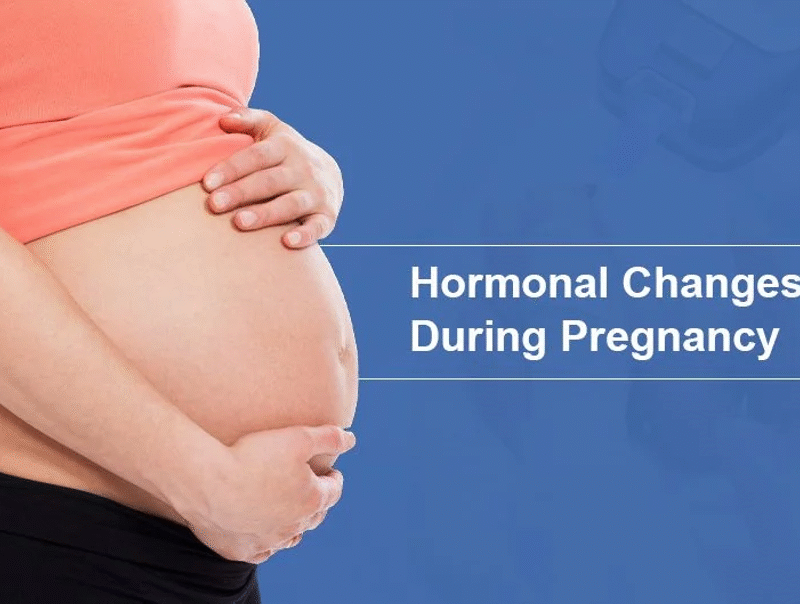
Pregnancy is often portrayed as a time of serene expectancy — a slow, glowing drift toward motherhood. But for creatives, particularly those in design and visual communication, the reality can be far more complex. Beneath the surface, hormonal fluctuations generate a seismic shift that affects everything from mood and memory to creative stamina and cognitive sharpness.
While the body is busy engineering new life, the mind is undergoing its own metamorphosis. And for designers who rely on mental clarity, emotional insight, and aesthetic fluency, these changes can recalibrate the creative process in ways both challenging and unexpectedly profound.
Hormones as a Creative Variable
Pregnancy introduces a cocktail of hormonal changes, with elevated levels of estrogen, progesterone, oxytocin, and prolactin shaping physical and emotional responses. These fluctuations are essential for fetal development, but they also have pronounced neurological effects.
Some women experience enhanced intuition, a heightened sense of empathy, or bursts of imaginative energy. Others may find their memory foggy, their attention fragmented, or their emotional regulation unpredictable.
The design process — which requires periods of deep focus, abstraction, and synthesis — becomes more erratic during these hormonal surges. A font choice that once felt instinctual might now take hours to settle. Layouts feel cluttered. Color palettes seem off. It’s not about skill loss; it’s about the internal environment shifting — subtly, then suddenly.
The Myth of the “Creative Pregnancy Glow”
Popular culture romanticizes the notion that pregnant women become more creatively fertile — inspired by the literal creation happening inside them. While this may hold true for some, the narrative can be misleading.
Creative block during pregnancy is not a failure of inspiration. It is often the byproduct of fatigue, disrupted sleep, emotional turbulence, and the sheer physiological labor of building another human. The brain is working overtime — but not necessarily in the areas that serve typographic precision or spatial logic.
Moreover, some physical symptoms of pregnancy mirror those typically associated with menopause. For example, hot flash and pregnancy often intersect in ways few expect. Sudden warmth, flushed skin, and night sweats — classically linked to menopause — can also manifest during pregnancy due to the body’s increased blood flow and fluctuating estrogen. These discomforts can further erode a designer’s ability to focus, especially during long sessions at a desk or screen.
Creativity in Fragmented Time
Pregnancy forces a reevaluation of time — both how it’s used and how it’s valued. Designers accustomed to immersive, uninterrupted work sessions may find their rhythms shattered by nausea, fatigue, or emotional overwhelm. But this constraint can also breed a different kind of creativity.
Short bursts of ideation become more potent. The urgency of limited energy encourages more intuitive decision-making. Instead of laboring over perfect kerning, a designer may trust her gut and often, the results are more human, more instinctive, more emotionally resonant.
This shift from hyper-control to embodied intuition can deepen the authenticity of creative output. It re-centers design as an emotional language, not just a technical execution.
Design As Embodied Practice
Pregnancy anchors the mind to the body in undeniable ways. Every sensation is heightened. Sensory awareness increases. For designers, this can lead to unexpected shifts in their visual and tactile preferences.
Muted tones may feel more comforting. Harsh contrast may be overstimulating. Even typography choices might lean toward softer, rounder forms, mirroring the bodily themes of roundness, warmth, and protection.
Designers in this phase often find themselves drawn to work that reflects internal transformation — organic shapes, layered textures, flowing lines. The body, in its hormonal reorientation, becomes a muse.
Managing Focus in Hormonal Flux
While creativity may deepen during pregnancy, focus often becomes more elusive. Cognitive scientists point to “pregnancy brain” — a colloquial term for the mental fog, forgetfulness, and difficulty concentrating experienced by many pregnant individuals. This isn’t imaginary. It’s supported by MRI studies showing that pregnancy reduces gray matter in certain brain regions, particularly those associated with social cognition.
Designers may find that certain tasks — like client presentations, brand strategy sessions, or technical revisions — require more effort than usual. Compensating strategies are essential. These may include:
- Segmenting work into shorter intervals with frequent breaks
- Using tactile tools like sketching or mood boards to externalize thought
- Tracking ideas via voice notes when concentration wanes
- Leaning into collaborative processes to distribute cognitive load
The goal is not to “power through” but to design around new limitations with grace and flexibility.
The Emotional Palette Expands
Pregnancy brings heightened emotional acuity. Sensitivity sharpens. While this can be disorienting, it also opens new creative dimensions. Designers may find themselves more attuned to mood, atmosphere, and user empathy.
This is particularly powerful in branding and UX design, where emotional resonance is paramount. A logo designed in the third trimester might carry unexpected softness or depth. A typeface pairing might reflect an emotional harmony that wasn’t as obvious before.
The work becomes more personal — not necessarily in subject matter, but in emotional texture.
Honoring the Shift
Pregnancy reshapes the design process in unpredictable, sometimes frustrating, often beautiful ways. It challenges assumptions about how creativity “should” function. It asks designers to trust their bodies, honor their limits, and find new rhythms in the chaos of creation.
Acknowledging symptoms like hot flash and pregnancy, embracing fluctuating focus, and surrendering to new aesthetics are not signs of diminished capacity — they are marks of transformation. In designing through hormonal shifts, creatives are not losing themselves. They are expanding.