
How AI Companions Are Changing the Way People Interact With Technology
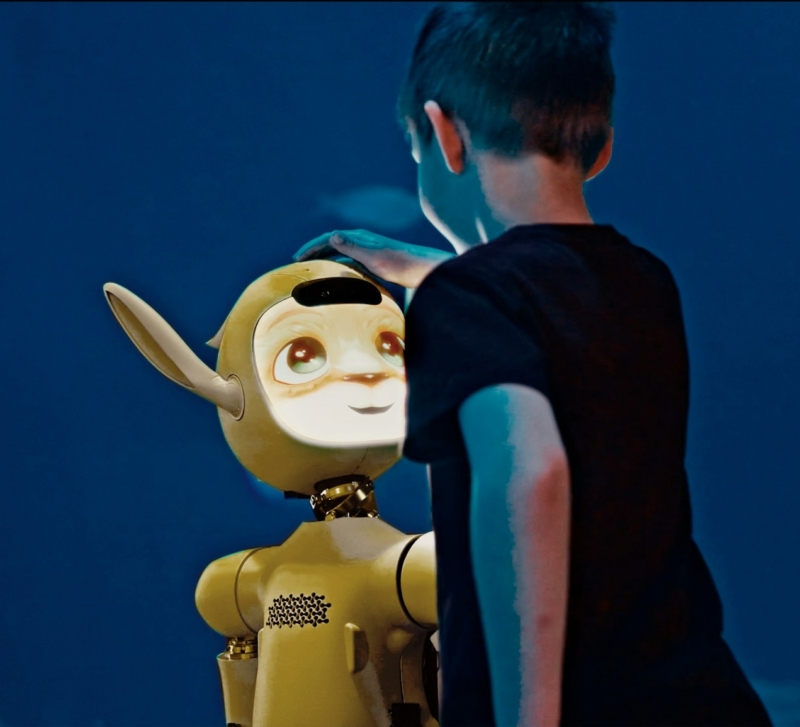
For decades, technology has evolved primarily as a tool designed to perform tasks. Computers processed information, smartphones connected people across distances, and software helped automate complex workflows. While these innovations dramatically changed how people live and work, interactions with technology remained largely functional.
Today, that dynamic is beginning to shift.
Artificial intelligence has introduced a new form of interaction that is far more conversational and personalized. Instead of simply issuing commands to machines, people can now interact with AI systems in ways that resemble natural dialogue. This development has led to the rise of AI companions—platforms designed to create interactive, responsive experiences that feel more engaging than traditional software.
AI companions represent a broader transformation in how humans interact with technology. Rather than being passive tools, these systems are becoming active participants in conversations, creativity, and digital exploration.
The Evolution of Human–Computer Interaction
To understand the impact of AI companions, it helps to look at how human–computer interaction has evolved over time.
Early computers relied entirely on command-line interfaces. Users needed technical knowledge to input specific commands and receive responses. Later, graphical user interfaces made technology easier to use by introducing icons, menus, and visual navigation.
The next major shift came with voice assistants and conversational AI. Systems could interpret natural language, allowing users to interact with technology in ways that felt more intuitive.
AI companions represent the latest step in this evolution.
Instead of simply answering questions or performing tasks, these systems are designed to maintain conversations, respond dynamically, and adapt to individual preferences.
Platforms like Kalon.ai are part of this new generation of AI tools that aim to create more interactive and personalized experiences for users exploring AI-driven communication.
What Exactly Is an AI Companion?
An AI companion is a digital system designed to simulate conversation and interaction with users in a way that feels engaging and responsive.
Unlike traditional chatbots that follow rigid scripts, modern AI companions use advanced language models to generate context-aware responses. This allows conversations to feel more fluid and natural.
Key characteristics of AI companion platforms often include:
- Conversational AI that responds to natural language
- Customizable personalities or characters
- Memory of previous interactions
- Interactive storytelling or creative dialogue
- Image or media generation capabilities
These features transform AI from a simple tool into a platform for exploration, creativity, and communication.
Why People Are Interested in Interactive AI
One of the reasons AI companions have become popular is that they provide something many digital experiences lack: interaction.
Most online content is passive. People read articles, watch videos, or scroll through social media feeds without actively engaging with the system behind the content.
Interactive AI changes this dynamic.
Users can ask questions, explore ideas, experiment with creative prompts, or simply engage in conversation. This makes technology feel more responsive and adaptable.
For example, platforms such as tools like Kalon.ai allow users to interact with AI-generated characters or creative systems that respond dynamically to user input. This creates a more immersive experience compared to static digital content.
As these platforms evolve, they may redefine how people think about digital interaction.
The Role of AI in Creative Exploration
Another interesting aspect of AI companion platforms is their potential for creativity.
AI systems are increasingly capable of assisting with creative tasks such as writing, storytelling, and visual design. By combining conversational AI with creative tools, AI companion platforms allow users to explore ideas in entirely new ways.
For instance, someone might use an AI platform to:
- brainstorm story concepts
- generate creative dialogue
- explore character development
- experiment with digital art
These capabilities turn AI into a collaborative tool rather than a simple utility.
Instead of replacing creativity, AI companions can enhance it by offering inspiration and new perspectives.
Personalization and the Future of AI Interaction
One of the most significant developments in AI technology is personalization.
Traditional software treats every user the same. AI systems, however, can adapt to individual preferences and interaction styles over time.
This means that AI companions may eventually provide highly customized experiences.
Imagine technology that learns how you prefer to communicate, what topics interest you most, and how you like to explore ideas.
Such systems could become powerful tools for learning, creativity, and digital exploration.
The more AI evolves, the more these systems may resemble interactive partners rather than static tools.
Ethical Considerations and Responsible Development
As AI companions become more advanced, it is important to consider the ethical implications of these technologies.
Developers must address questions related to:
- user privacy
- responsible data use
- transparency in AI-generated responses
- appropriate content moderation
Ensuring that AI systems are developed responsibly will play a critical role in shaping how these platforms are adopted in the future.
Responsible design will help ensure that AI companions remain tools that enhance digital experiences without creating unintended risks.
AI Companions and the Future of Digital Culture
The rise of AI companions reflects a broader trend in digital culture.
People increasingly expect technology to be interactive, personalized, and responsive. Static interfaces are gradually giving way to conversational systems that adapt to user behavior.
In the coming years, AI companions may become a normal part of the digital landscape.
From creative platforms to learning environments, conversational AI could reshape how people interact with information, ideas, and each other online.
While the technology is still evolving, it already demonstrates how artificial intelligence can transform the relationship between humans and machines.
Final Thoughts
AI companions represent a new chapter in the evolution of human–computer interaction. By combining conversational AI, personalization, and creative tools, these platforms are redefining how people engage with technology.
Rather than simply issuing commands to machines, users can now explore ideas, generate creative content, and interact with AI in ways that feel far more dynamic.
Platforms like Kalon.ai highlight how quickly this technology is developing and how interactive AI experiences are becoming part of everyday digital life.
As people continue exploring emerging technologies and evaluating online platforms, discussions around reliability and service quality are also becoming more common. For readers interested in examining how modern online services are assessed, insights such as those shared in this detailed review offer another perspective on how users evaluate performance and trust in digital platforms.
Ultimately, AI companions are not just another technology trend—they represent a shift toward more engaging, responsive, and human-centered digital experiences.