
Wan 2.7 Video API: Crafting Kinetic Typography and Motion Posters for Digital Design
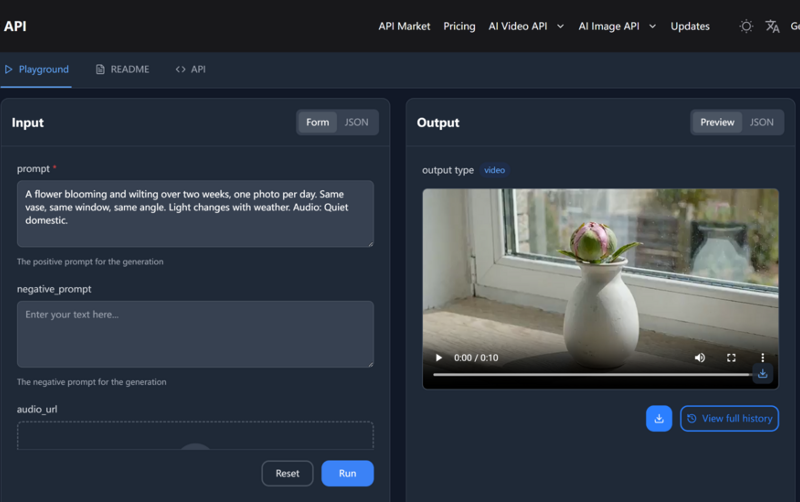
The adoption of the Wan 2.7 Video API ecosystem marks a shift toward programmatic, high-precision video generation in 2026. For typography experts and graphic designers, the primary challenge is no longer just selecting the right typeface, but controlling how that typeface lives and breathes within a 3D environment. Implementing a robust API framework provides the technical infrastructure necessary to move beyond static font specimens toward immersive, motion-centric digital posters.
Generating Cinematic Backgrounds with Wan 2.7 Text-to-Video API
For many design teams, stock footage is a compromising solution that rarely aligns perfectly with the personality of a specific typeface. The Wan 2.7 Text-to-Video API provides a more precise alternative by allowing designers to generate unique, prompt-driven backgrounds that serve as the foundation for kinetic typography.
Scaling Creative Automation for Font Releases
For a design team, this signifies a move toward automated asset production where the API functions as a predictable rendering node. This allows multiple designers to generate unique promotional social media clips for new font releases simultaneously. By prioritizing logical coherence, the API ensures that the visual storytelling remains integrated within the design process, allowing the typeface to be showcased in environments specifically designed to highlight its structural characteristics.
Animating Type Specimens via Wan 2.7 Image to Video API
One of the most efficient ways to enhance a design portfolio is to animate existing high-resolution font posters. The Wan 2.7 Image to Video API acts as a bridge for transforming these static specimens into cinematic sequences that capture the viewer’s attention more effectively than a flat image.
Preserving Graphic Detail in Motion
By integrating this capability into a design workflow, teams can programmatically convert type specimens or brand identity mockups into seamless cinematic loops. The API is designed to preserve the original resolution and intricate curves of vector-based typography while introducing natural, fluid motion. This ensures that the typeface remains sharp and legible, which is a critical requirement for professional-grade design showcases.
Dynamic Texture and Lighting Integration
This automation allows designers to maximize the value of their existing work by adding realistic lighting, film grain, or environmental textures to static layouts. The transition from image to motion provides a cohesive visual narrative that is essential for modern web standards and high-end digital marketing campaigns.
Instruction-Based Revisions with Wan 2.7 Edit Video API
The revision phase is often the most time-consuming part of a typography project. Traditional video editing requires significant manual effort to adjust specific elements like the color of a glow or the movement of a background element. The Wan 2.7 Edit Video API facilitates a more agile approach through instruction-based editing.
Natural Language Style and Scene Adjustments
Designers can use natural language commands to modify existing footage—such as adjusting styles, scenes, or lighting—without the computational overhead of re-generating entire sequences. For example, a designer can instruct the API to “change the background texture to brushed aluminum” to better match a specific metallic font. This allows for rapid iterations where visual assets are patched rather than replaced, significantly reducing technical debt in the production lifecycle.
Streamlining Client Feedback through Programmatic Revisions
Instead of re-rendering entire projects from scratch to accommodate a client’s feedback, the team can programmatically adjust the specific parameters mentioned in the request. This allows for rapid prototyping and ensures that the final motion posters are perfectly aligned with the evolving brand guidelines of the project.
Consistency in Motion Branding with Wan 2.7 Reference To Video API
A recurring challenge in automated design production is maintaining visual continuity across different clips. The Wan 2.7 Reference To Video API introduces a robust mechanism for maintaining subject integrity through its 3×3 multi-reference grid.
Locking Visual Elements and Brand Symbols
This technical infrastructure allows the API to ingest structural data from multiple angles simultaneously, locking in the visual identity of a specific brand symbol or character asset. This multimodal approach ensures that a visual element retains the same features and motion patterns across different scenes in a complex design campaign.
Collaborative Asset Locking for Agencies
For digital agencies, this means that a specific brand persona or logo treatment can be reliably rendered in various environments while maintaining perfect consistency. By setting up Golden References within the API workflow, teams can ensure that every generated asset remains on-brand without the need for manual post-production or tedious frame-by-frame corrections.
Integrating the Wan AI API Suite into Design Workflows via Kie.ai
The long-term viability of using generative video in a professional design setting depends on reliable infrastructure and high-concurrency access. Accessing these tools via Kie.ai provides a high-performance environment designed for professional throughput.
API Authentication and Setup for Creative Teams
Integrating the Wan AI API suite involves configuring a high-concurrency gateway that can handle multiple simultaneous rendering tasks. Kie.ai provides the necessary infrastructure for teams to queue and manage hundreds of video assets for multi-platform font campaigns. This ensures that the design team can focus on creative direction rather than managing server uptime or task queuing.
Request Structure and Technical Optimization
When formatting JSON payloads for typography-heavy motion, designers can prioritize visual fidelity and logical coherence. By leveraging the advanced infrastructure of Kie.ai, agencies can scale their output without ballooning their overhead, making high-precision motion a predictable and accessible asset for every typography project.
Conclusion: Structuring the Future of Typography with Wan AI API
The implementation of the Alibaba Wan 2.7 Video API signifies a transition toward a structured, engineering-led approach to visual content in the typography world. By resolving the trade-offs between motion fidelity and production velocity, this suite of APIs allows design teams to treat high-precision video as a scalable component of their creative stack. As explored, the shift to logic-driven motion—supported by character consistency and instruction-based editing—provides a measurable framework for typographers to scale their output and meet the rising demand for immersive visual storytelling. Ultimately, integrating the Wan 2.7 AI Video Generation API suite via Kie.ai offers a sustainable path for digital designers to deliver the high-fidelity, motion-centric experiences that modern design standards demand.