
Best Applications For Metal Frame Glass Doors By Project Type
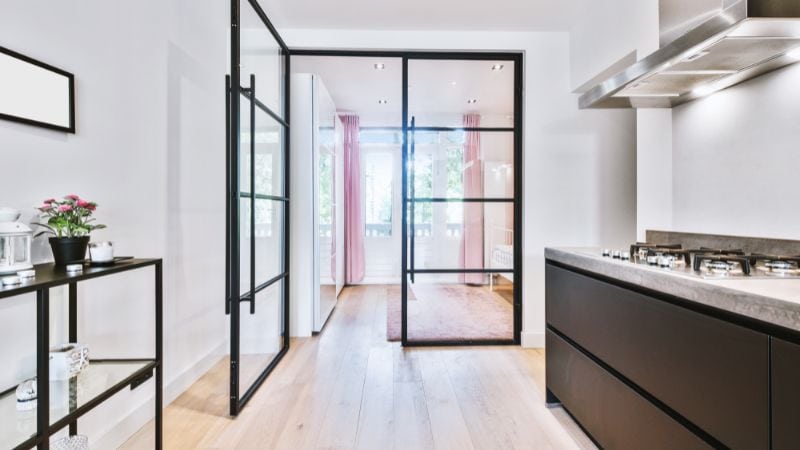
Glass and aluminum systems are everywhere now. Aluminum’s lightweight, fights off corrosion, and comes in just about any color you want.
Architectural glass options have exploded too—insulated, tempered, laminated, or even specialty glass. Whether it’s a full commercial install or adding glass and aluminum touches to a home remodel, the core decision process doesn’t really change much.
Let’s break down where these doors work best by project type. Then we’ll look at how to match the system to what you actually need.
Where Metal Frame Glass Doors Work Best
Metal frame glass doors fit all sorts of projects. High-traffic commercial entrances, luxury homes, you name it.
The trick is figuring out which system can handle the load, exposure, and design demands you’re dealing with.
Main Entrances And High-Traffic Commercial Doors
Main entrances in commercial buildings see more abuse than just about any other door. Storefront systems with heavy-duty aluminum frames and tempered glass are the go-to.
They’re built for constant use and meet accessibility codes. For big buildings, you’ll often see structural glazing or curtain wall systems that hide most of the frame for a cleaner look.
PRL Glass & Aluminum, for example, makes commercial door systems built for these tough environments. You get strength and durability but still keep that open, inviting vibe clients usually want at an entry.
Retail Storefronts And Tenant Frontages
Retail storefronts live or die by visibility. Metal frame glass doors in storefront systems let people see merchandise, pricing, and what’s going on inside.
That draws in foot traffic and helps with branding. Aluminum frames are slim enough to maximize glass area but still hold up the weight.
In multi-tenant buildings, using the same storefront system across units keeps things looking unified. IQ Glass and PRL Glass & Aluminum have configurable systems that work well for different tenant widths.
Office Interiors And Conference Rooms
Glass doors inside offices have to do two things: keep sound in, keep sightlines open. Aluminum-framed glass walls and doors in conference rooms say “modern and transparent” without making spaces feel boxed in.
Minimal or even frameless systems are popular in open-plan offices. You get light everywhere, and if you need privacy sometimes, there’s always switchable film or privacy glass.
Aluminum systems are flexible. You can swap panel sizes around without huge structural headaches.
Multifamily And Hospitality Common Areas
Lobbies, corridors, amenity rooms, even rooftop access in apartments and hotels all use metal frame glass doors. These spots need doors that can take a beating but still look sharp.
Anodized or powder-coated aluminum frames—think bronze, black, or custom colors—work well. You can match them to pretty much any design scheme.
Hotel lobbies often go for curtain wall segments with built-in doors. That seamless glass look? It’s a big part of the first impression.
Patio, Terrace, And Exterior Residential Openings
Sliding, folding, and swing-style metal frame glass doors are huge in residential design right now. People want big glass openings that connect inside and out.
Thermally broken aluminum frames are key for these doors. They cut down heat transfer and help you meet energy codes.
Double-glazed insulated glass units keep the climate inside steady. If you’re near the coast or in a tough weather spot, aluminum’s corrosion resistance makes it a better bet than steel most of the time.
Luxury Homes Using Minimal And Structural Glazing
High-end homes? They’re all about thin frames and huge glass panels. Minimal frame systems and structural glazing push the weight into the glass or hidden supports.
These setups aren’t cheap, and they need precise engineering. But if you want uninterrupted views, floor-to-ceiling panels, and that wow-factor aesthetic, minimal frame and structural glazing from companies like IQ Glass are worth looking at.
How To Match The System To Performance Goals
Every metal frame glass door choice is a balancing act. Looks, durability, energy, safety—they all matter.
Finishes, glass type, hardware, and fabrication details play into getting the final system right.
Choosing Frames, Finishes, And Hardware
Frame finish affects both how it looks and how long it lasts. Powder coating gives you tons of color options and resists chips and fading better than anodizing.
Anodized finishes are tough too, but mostly stick to silver and bronze. When it comes to hardware, don’t skimp on hinges and seals.
Heavy-duty hinges are a must for commercial doors, while homes can get by with lighter stuff. Seals matter for air and noise—so match them to your climate and how much sound you need to keep out.
| Finish Type | Color Options | Best Use |
| Powder Coat | Nearly unlimited | Commercial and residential |
| Anodized | Silver, bronze tones | High-traffic interiors |
| Textured Coat | Limited specialty range | Design-focused residential |
Improving Energy Efficiency And Meeting Energy Codes
Energy efficiency comes down to the frame and the glass. Thermally broken aluminum frames use a non-conductive barrier to slow down heat transfer.
In most U.S. climates, you’ll need this to meet code. Low-e glass coatings reflect infrared energy, so heat stays out in summer and in during winter.
Pair low-e glass with argon-filled insulated units for solid thermal performance without losing much visible light. Always double-check your local energy code before ordering—U-factor and solar heat gain requirements can change from one region to the next.
Using Specialty Glass For Privacy, Safety, And Design
Clear glass isn’t always the answer. Privacy glass—frosted, textured, or acid-etched—lets light in but blocks views.
It’s great for conference rooms, bathrooms, or street-facing offices. Safety glazing is required by code in most door applications.
Tempered or laminated glass is a must for any door panel someone could fall through. Laminated glass also cuts down noise and adds security.
Planning For Security, Storms, And Hazard Resistance
Some projects need doors built for specific threats. Hurricane-rated systems are a must in coastal areas.
PRL Glass & Aluminum’s Battle Door system is built for these standards. Impact-rated glass with reinforced frames keeps things together under high winds or flying debris.
High-security jobs—think government or financial buildings—sometimes call for blast mitigation glazing. Laminated interlayers hold glass together after an explosion.
If you need this level of protection, figure it out early so your fabricator can engineer the right system.
Coordinating Specifications With Fabrication Tools
Getting the specification right before fabrication starts? It really helps prevent costly errors.
A lot of aluminum systems suppliers offer CAD files, product data sheets, and ready-made specification templates. You can just drop these right into your project drawings.
Using these tools early on keeps your design intent in sync with what the fabricator can actually build.
Coordination between the architect, glazier, and general contractor is crucial for curtain wall and structural glazing systems. Even small dimensional errors in rough openings or anchor locations can cause big headaches during installation.
Ask for shop drawings from the fabricator. Take the time to review them against your construction documents before any cutting or welding kicks off.