
How Wearable Interfaces Are Changing the Way Designers Think About Typography
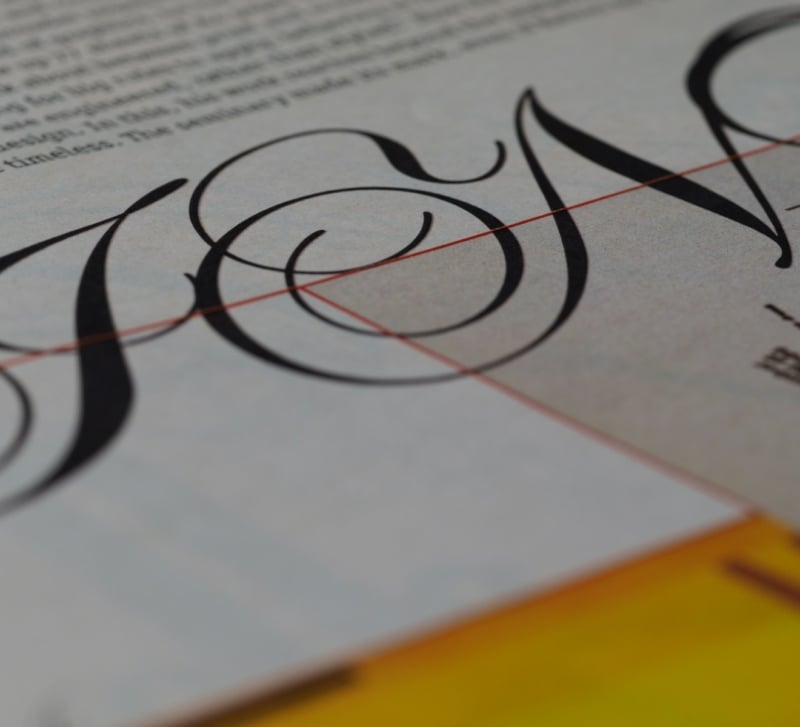
Typography has always played a central role in digital design. From websites and mobile apps to smartwatches and e readers, the way text is displayed directly affects how people understand information. Good typography is not simply about choosing an attractive font. It is about making content easy to read, accessible, and comfortable across different devices and environments.
As wearable technology continues to evolve, designers are facing a new challenge. Instead of creating interfaces for large computer monitors or smartphone screens, they are increasingly designing experiences for devices that display information in much smaller, more dynamic ways. This shift is encouraging designers to rethink many long established typography principles.
Smaller Displays Require Greater Precision
One of the biggest differences between traditional screens and wearable devices is the available display space.
On a desktop monitor, designers can comfortably use multiple text sizes, long paragraphs, and detailed navigation menus. Wearable devices offer much less room, making every word and every visual element more important.
Designers must carefully choose font sizes, spacing, and layout to ensure information remains readable without overwhelming the limited display area.
Simplicity Becomes More Valuable
Wearable interfaces leave little room for unnecessary decoration.
Highly decorative fonts or complex visual effects that may work on websites often reduce readability on smaller displays. Instead, designers increasingly favor clean typefaces with clear letterforms and balanced spacing.
Simple typography helps users understand information quickly, especially when they are moving or multitasking.
Information Must Be Prioritized
Traditional interfaces often present multiple sections of information at once.
Wearable devices encourage a different approach. Since users typically glance at these devices for only a few seconds, designers must decide which information deserves immediate attention and which details can remain hidden until needed.
Typography becomes a tool for establishing visual hierarchy. Larger text highlights key actions, while smaller supporting text provides context without creating unnecessary clutter.
Readability in Different Environments
Unlike desktop computers, wearable devices are used almost everywhere.
People may check notifications while walking outdoors, riding public transportation, exercising, or working in bright sunlight. These changing conditions influence how text should appear.
Designers pay close attention to contrast, font weight, and spacing to maintain readability across a wide range of lighting conditions.
Shorter Content Improves User Experience
Wearable technology encourages concise communication.
Instead of displaying lengthy paragraphs, interfaces often rely on short sentences, brief notifications, and direct instructions. Typography works together with content design to ensure messages remain easy to understand within a limited space.
This approach benefits users by reducing cognitive load and allowing them to process information quickly.
Motion Influences Typography
Unlike static web pages, wearable interfaces frequently include movement.
Notifications appear briefly, menus slide into view, and information changes based on user activity. Designers must consider how typography behaves during these transitions.
Smooth animations help users follow changing content without losing focus. Poorly timed movement or excessive animation can make text difficult to read, particularly on compact displays.
Accessibility Is More Important Than Ever
As wearable technology reaches a broader audience, accessibility has become a major design priority.
Typography must remain readable for users with different levels of vision, including older adults and people with visual impairments. Designers increasingly test font size, line spacing, color contrast, and interface scaling to ensure wearable experiences remain inclusive.
Accessibility improvements often enhance usability for everyone, not just users with specific visual needs.
Wearable AI Introduces New Design Challenges
Artificial intelligence is expanding what wearable devices can display.
Instead of simply showing notifications, many modern wearables provide summaries, translations, contextual suggestions, and conversational responses generated in real time. Designers must present this information without overwhelming users.
Growing interest in products such as the new Ray-Ban AI glasses illustrates how wearable technology is moving beyond traditional screens. As these devices deliver AI generated information in more natural ways, designers must rethink typography to support quick reading, minimal distraction, and seamless interaction within entirely new interface environments.
Context Matters More Than Ever
Typography on wearable devices often depends on the user’s situation.
Someone walking through a busy airport needs different information than someone sitting quietly at home. Designers increasingly create adaptive interfaces that change the amount of displayed text based on context, helping users receive relevant information without unnecessary visual overload.
This flexible approach improves both usability and overall user satisfaction.
Designers Are Thinking Beyond Screens
Wearable technology is encouraging designers to think differently about communication itself.
Instead of relying entirely on text, interfaces increasingly combine typography with voice interaction, sound cues, icons, and subtle visual indicators. Typography remains essential, but it now works alongside other forms of communication to create a smoother user experience.
This broader design perspective reflects the growing role of multimodal interfaces in consumer technology.
The Future of Typography Is Adaptive
Advances in artificial intelligence may allow typography to become more personalized over time.
Future interfaces could automatically adjust font size, spacing, contrast, or layout based on user preferences, environmental lighting, or even reading behavior. Rather than presenting the same interface to everyone, wearable devices may adapt typography to individual needs while maintaining consistency and readability.
Such personalization has the potential to improve comfort without requiring users to manually adjust settings.
Final Thoughts
Wearable technology is changing far more than hardware. It is reshaping the way designers think about communication, readability, and user experience. Limited display space, changing environments, AI generated content, and quick interactions all require a more thoughtful approach to typography.
As wearable interfaces continue to evolve, designers will increasingly focus on clarity, accessibility, and adaptability. Typography will remain one of the most important tools for delivering information, but its role will continue to expand as technology becomes more integrated into everyday life.