
Why AI Influencers Are Becoming the Next Big Trend in Digital Marketing
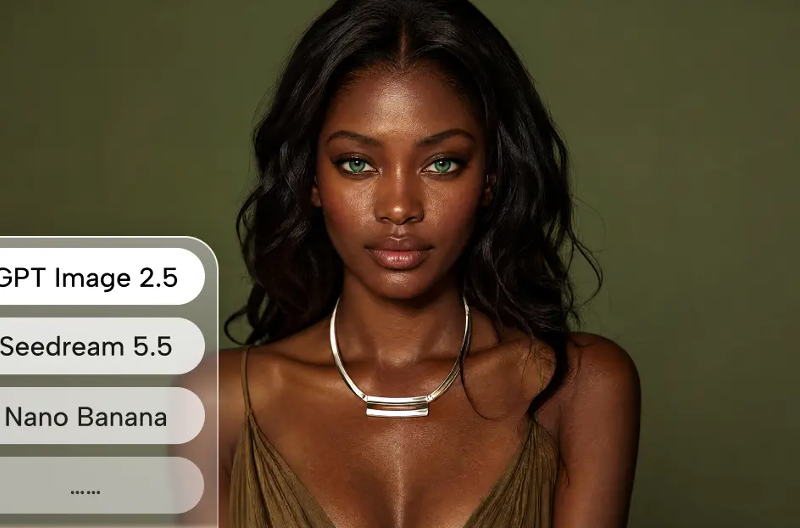
Digital marketing is changing rapidly as artificial intelligence introduces new ways for businesses to connect with their audiences. From automated content creation to personalized advertising, modern technologies are transforming how brands promote products and build online communities. One of the most interesting developments is the growing popularity of virtual personalities on social media. These digitally created characters can share lifestyle content, showcase products, participate in advertising campaigns, and develop recognizable online identities. As businesses look for creative ways to stand out in competitive markets, the ai influencer trend is attracting increasing attention from marketers and content creators.
The Growing Popularity of Virtual Personalities
Virtual influencers are digital characters designed to maintain social media profiles and engage with online audiences. They are developed using technologies such as artificial intelligence, computer-generated imagery, digital animation, and image-generation tools. Unlike traditional influencers, these personalities do not have real-life experiences. Their appearance, background, interests, and communication style are created through digital production and creative planning.
Some virtual personalities are designed to look like realistic people, while others have animated or futuristic appearances. They can represent different industries, including fashion, beauty, entertainment, technology, and lifestyle.
Their growing popularity reflects the changing expectations of social media users. Audiences are increasingly familiar with digital characters, virtual environments, and AI-generated content, making virtual personalities an interesting addition to modern online culture.
Why Are Brands Interested in AI Influencers?
One major reason businesses are exploring virtual personalities is the creative flexibility they offer. Traditional influencer campaigns often involve coordinating schedules, arranging photography, negotiating collaborations, and managing production requirements. Digital personalities can simplify certain aspects of this process because brands have greater control over their visual identity and content direction.
Another important advantage is consistency. A virtual character can maintain the same appearance, clothing style, and communication approach across different campaigns. This makes it easier for marketing teams to establish a recognizable identity and develop content that follows specific brand guidelines.
The ai influencer approach also allows businesses to experiment with imaginative advertising concepts. For example, a fashion company could create a digital personality that presents new clothing collections in different virtual environments. A technology brand might introduce a character that explains product features through short videos and engaging social media posts.
These possibilities allow companies to move beyond conventional promotional formats and develop more distinctive marketing experiences.
How AI Influencers Are Changing Digital Marketing
Virtual personalities are influencing several areas of digital marketing, from content production to audience engagement.
1. More Creative Content Production
Producing fresh content regularly can be challenging for businesses. Virtual personalities make it easier to experiment with different backgrounds, outfits, visual styles, and storytelling concepts. Marketing teams can create promotional images and videos without organizing a traditional photoshoot for every campaign.
This flexibility is particularly useful for brands that need regular content for Instagram, TikTok, and other social media platforms.
2. Better Brand Recognition
A consistent digital identity can help businesses become more recognizable. Virtual characters can follow predefined visual guidelines, allowing companies to maintain a familiar appearance across different promotional materials.
Over time, audiences may begin associating a particular digital personality with the products, services, or values it represents.
3. New Audience Engagement Opportunities
Social media marketing is more effective when audiences participate rather than simply view promotional content. Virtual personalities can become part of interactive campaigns, question-and-answer sessions, product announcements, and themed discussions.
With suitable AI technologies, businesses can also experiment with conversational experiences that make digital interactions more engaging.
4. Flexible Advertising Campaigns
Brands can incorporate virtual characters into seasonal promotions, product launches, and creative collaborations. Since their digital identities are managed through creative production, companies can plan content around specific marketing objectives and maintain greater control over campaign presentation.
AI Influencers vs. Traditional Influencers
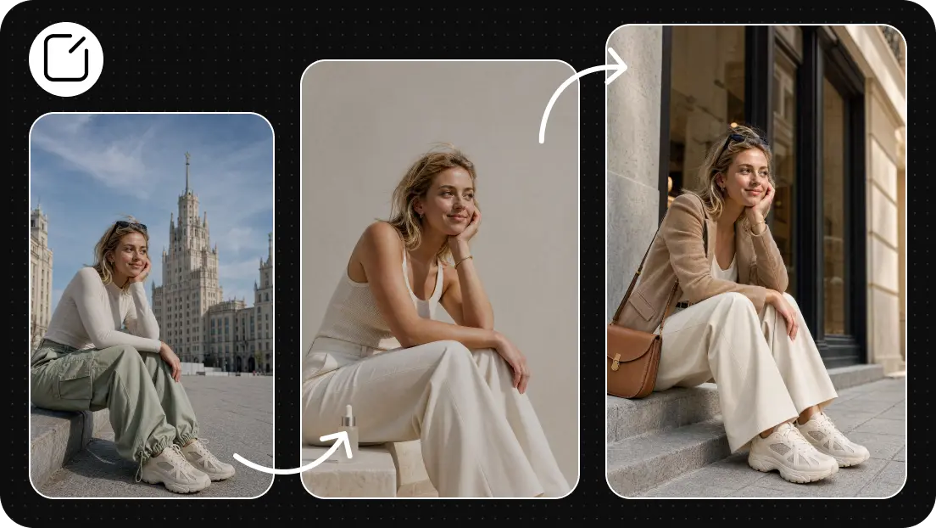
Although both approaches can help businesses increase brand awareness, they offer different advantages.
Traditional influencers are real individuals who share personal experiences, opinions, and recommendations. Their strongest advantage is the human connection they develop with followers. Audiences may trust their opinions because they can relate to their lifestyles and experiences.
Virtual personalities offer greater creative control and flexibility. Brands can design their appearance, develop their personalities, and create content around specific promotional objectives. However, they cannot fully reproduce the authenticity of genuine human experiences.
The ai influencer model is therefore not necessarily a replacement for traditional creators. Businesses can combine both approaches to benefit from human authenticity and digital creativity. For example, a fashion company could use a virtual personality to showcase a collection while collaborating with real creators who provide personal product reviews.
Challenges Businesses Should Consider
Despite their advantages, virtual personalities also present certain challenges. Transparency is particularly important because audiences should understand when they are interacting with a digitally created character.
Brands should avoid presenting fictional personalities as real individuals without appropriate disclosure. Sponsored content should also be clearly identified, and businesses should follow applicable advertising requirements.
Maintaining audience interest is another consideration. Attractive visuals may initially attract attention, but followers need entertaining, informative, and relevant content to remain engaged. Poor-quality images, unnatural movements, and repetitive posts can reduce the effectiveness of a campaign.
Businesses should also consider the resources required to develop and maintain a recognizable virtual identity. Although digital production can reduce some traditional expenses, creating professional content still requires planning, creative direction, and ongoing management.
What Does the Future Hold?
As AI image generation, video production, and conversational technologies improve, virtual personalities may become more sophisticated. Brands could use them in interactive shopping experiences, digital entertainment, personalized advertising, and virtual events.
The ai influencer trend may also expand into new industries as businesses discover additional ways to combine artificial intelligence with creative storytelling.
However, long-term success will depend on more than technological advancements. Authentic communication, audience understanding, transparency, and valuable content will remain essential elements of effective marketing.
Conclusion
Virtual personalities are creating new opportunities for businesses that want to explore innovative digital marketing strategies. They offer creative flexibility, consistent branding, and alternative ways to present products and services to online audiences. Although they cannot completely replace human influencers, they can complement traditional campaigns and introduce fresh approaches to social media storytelling.
As digital marketing continues to evolve, businesses that use these technologies thoughtfully may discover new opportunities to increase brand awareness and build stronger online communities.