
Building directory signs that keep spaces organized
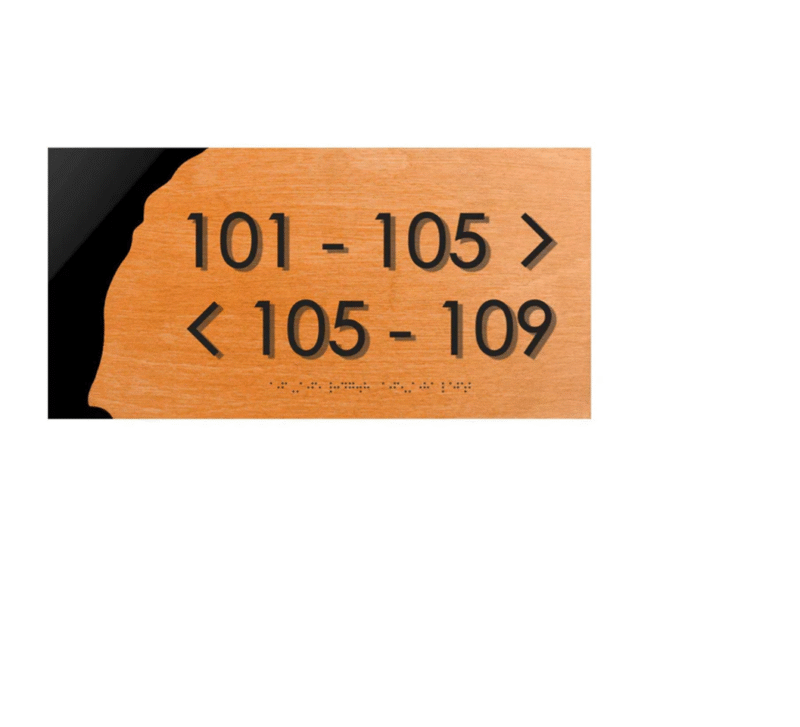
Every large building needs structure — a way to guide people through its halls, floors, and departments. Architecture gives shape to that structure, but signage gives it logic. Building directory signs are the foundation of orientation, turning complex layouts into spaces people can read and move through easily. You can explore handcrafted solutions and buy on Bsign Store, where design and function work hand in hand.
The purpose of a directory
A directory sign is more than a list of names or room numbers. It’s a visual map that helps people understand where they are and where to go next. In offices, hospitals, universities, or hotels, it prevents hesitation and saves time.
Well-designed directories reduce confusion and stress, especially in large or multi-level buildings. They become part of the silent infrastructure that keeps movement smooth and predictable.
When people find what they need quickly, they feel confident. That confidence defines how they experience the entire space.
Function before decoration
The best directory signs don’t try to impress — they aim to communicate. Information must be visible, legible, and logically arranged. Clear contrast, proper text size, and consistent alignment make navigation effortless.
Designers think about human behavior first. Where will people stop to look? What direction will they turn? The answers determine size, placement, and orientation. A directory that’s beautiful but hard to read has failed its purpose; functionality always comes first.
Where directories belong
Building directory signs serve as the central point of reference in spaces where clarity matters most:
- Corporate buildings and business centers use them to list tenants and departments, ensuring visitors find the right office quickly.
- Hospitals and clinics rely on them for calm navigation between units, saving time in moments that truly matter.
- Universities and schools use directories near entrances to guide students and visitors through campuses.
- Hotels and resorts place them in lobbies to connect guests with rooms, restaurants, and conference areas.
- Public institutions use them to maintain order and transparency in spaces that host many visitors daily.
Each building type has different needs, but the logic stays the same: make movement intuitive.
Material and durability
Functional design depends on quality materials. Directory signs must withstand daily contact, cleaning, and changes in temperature or light. That’s why they’re crafted from wood, acrylic glass, or stainless steel — materials that combine strength and elegance.
Wood offers warmth for cultural or hospitality settings. Acrylic delivers clarity and precision, ideal for modern offices. Stainless steel guarantees longevity and professionalism in high-traffic buildings.

When these materials are cut and engraved with accuracy, information remains clear for years, no matter how many hands point to it.
Designed for people
The best signage systems feel invisible because they work so well. A person doesn’t have to think about the sign — they simply understand it. That’s the mark of good design: to make movement natural and stress-free.
A building directory sign doesn’t just point the way. It defines how people interact with architecture. It gives structure, rhythm, and purpose to every step.
When function leads design, the result is not just order — it’s calm, clarity, and confidence.