
Smart Privacy: Securing Your Home & Digital Life in 2025
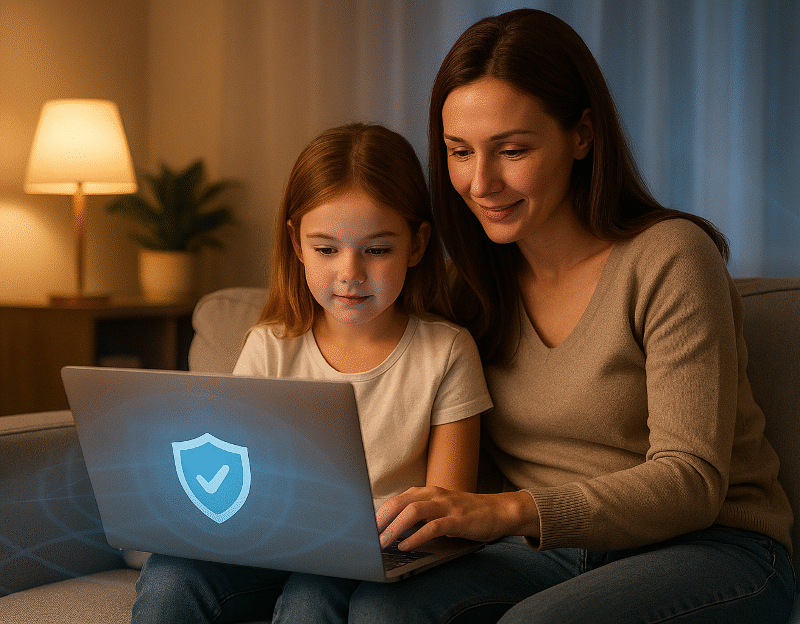
Introduction: The Invisible Walls of the Internet
Let’s be honest: digital anxiety is real. It’s that vague, unsettling feeling you get when you realize your smart TV might be listening to your private conversations, or when an unrelated product pops up in an ad two seconds after you merely thought about it. In a world where our phones, watches, and appliances constantly collect data, it often feels like we’re living under a digital microscope.
We’re all striving to make our screen time meaningful—to find connection, learning, and calm online. But how can we fully enjoy the internet when we suspect we’re always being watched? It’s hard to focus on quality when you’re worried about security.
For too long, online safety advice has sounded like a chore list from a stern IT department: “Use 16-character passwords with symbols!” Sure, that’s necessary—but it misses the heart of the issue. Security should enable peace of mind, not add more stress. It’s time to move beyond technical jargon and embrace simple, human-friendly steps that create a safe, welcoming digital home.
This guide flips the script: making smart privacy a seamless, comforting part of everyday life, so you can stop worrying about who’s watching and start truly enjoying your time online.
The Problem Isn’t Just Passwords—It’s the Ecosystem
Have you ever stopped to think about what happens the moment you click “I Agree” on a new app’s terms? You’re trading an invisible piece of yourself—your location data, browsing history, and behavioral patterns—for convenience. We “pay” for free apps with our most intimate information.
And this goes far beyond ads. Sophisticated tracking methods, often called digital fingerprinting, piece together tiny clues about your device, browser settings, and even the rhythm of your typing. They don’t need your name; they just need enough unique data points to follow “Device X” everywhere it goes. It’s like having a friendly neighbor who quietly takes notes on everything you do—and then sells those notes to the highest bidder.
The goal isn’t to ditch technology. It’s to enjoy its benefits without sacrificing personal space. What we need are better digital boundaries.
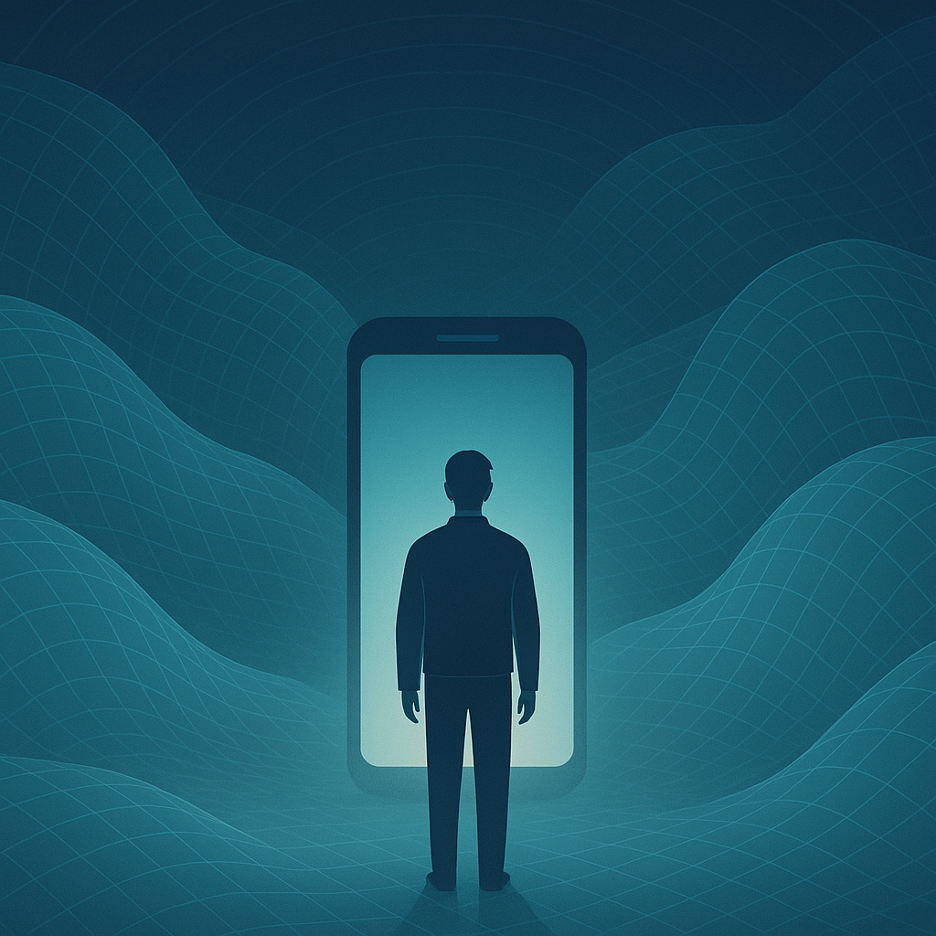
Smart Home, Smarter Boundaries
Our homes are filling with smart gadgets that make life easier—but sometimes they feel a little too curious. The smart speaker that records conversations, the TV that tracks what you watch, the baby monitor streaming to the cloud—each can be a point of entry for privacy leaks, turning the home into a vulnerable zone.
Here are a few simple, common-sense ways to make your home network feel safe again:
1. The Guest Network Rule
This one’s a favorite. If your router allows it, create a separate “Guest” Wi-Fi network. Put all your chattier devices—smart bulbs, speakers, TVs, connected toys—on this network. Keep your laptops, phones, and anything that handles sensitive data on your primary, protected network.
If the smart tea kettle gets hacked, the intruder can’t hop onto your main computer. It’s like putting guests’ coats in a separate closet instead of where you keep the safe.
2. Mute the Mic
If your smart speaker has a physical mute button, use it when you’re not actively interacting with the device. It’s a literal moment of peace, knowing your microphone isn’t listening for wake words in the background.
3. Audit App Permissions
Once a month, take five minutes to review your app permissions. Head into your phone settings and ask: Why does a weather app need access to my photos? Why does a mobile game need the microphone? Revoke anything unnecessary. It’s digital decluttering with huge security benefits.
Building Your Digital Safe Haven with Encryption
Securing your home network is only half the battle. The other half is protecting your data during the unpredictable journey it takes outside your front door—especially when you’re connected to public Wi-Fi at cafés, airports, or hotels.
Whenever your device connects to the internet, your traffic is visible to others: your Internet Service Provider (ISP), the café Wi-Fi host, and anyone snooping on an unencrypted signal. They can see which websites you visit and what you’re doing. It’s the online equivalent of using a glass mailbox that lets everyone read your letters.
To travel safely online, you need an encrypted shield. That’s the essential job of a Virtual Private Network (VPN). A VPN wraps your internet activity in powerful encryption and routes it through a secure, anonymous server.
Put simply: without a VPN, your data travels in a clear envelope. With a VPN, it rides in an armored car through a private tunnel. Your true location (IP address) is hidden, and anyone trying to intercept your traffic sees only scrambled code. A VPN is the great equalizer—bringing enterprise-grade privacy to everyday users.
From Anxiety to Action: Taking Control
Security shouldn’t feel restrictive; it should feel liberating. Once you realize you can control how your data moves, the digital world becomes far less threatening—and far more open to genuine connection and discovery.
The key is making essential protection effortless. If a privacy tool is hard to use, we simply won’t use it.
Here are the final steps—simple but often forgotten—that create daily peace of mind:
Use Two-Factor Authentication (2FA) Everywhere
Set it up on your email, banking apps, and social platforms. Even if someone steals your password, they still need your physical phone to break in. It’s a five-minute setup that can save you months of recovery.
Embrace the Password Manager
Stop writing down passwords or using the same one everywhere. A password manager generates and remembers ultra-complex, unique passwords for every account. It erases the stress of managing dozens of logins.
Start With a Trusted Provider
Once you’ve done your research and chosen a provider you trust, getting protected should be the easiest part. Just visit the VPN download page, click the button, and you’re ready. No complicated setup required.
Securing your online life isn’t about becoming a tech expert. It’s about choosing awareness over impulse, creating healthy digital boundaries, and using the right tools to build a safe, warm space where you can connect, learn, and grow without feeling constantly exposed. When your privacy is protected, your screen time becomes true quality time.