
Why Modern Luxury Brands Are Redefining the Idea of Identity
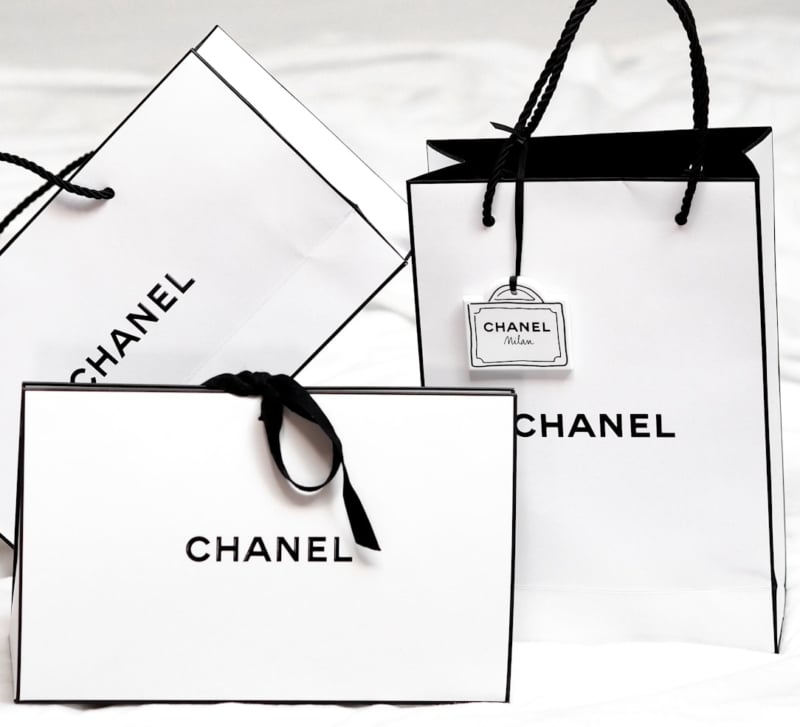
Luxury branding has entered a new era. Where heritage names once relied on the weight of history and recognisable iconography, today’s luxury brands are expected to express clarity, purpose, and editorial precision across every touchpoint. The codes of luxury are no longer solely about ornament or tradition – they are about coherence, restraint, and a distinctive point of view.
This shift has been driven by both cultural and technological change. Customers expect to understand what a brand stands for in seconds, and they expect that meaning to be reinforced consistently across digital, retail, packaging, and communications. In this new landscape, the role of the luxury branding agency has evolved. It is no longer enough to create a polished logo – the brand must instead be built as a complete system, where strategy, identity, content, and digital presence form one continuous, organised whole.
The Rise of Systems-Led Luxury
The most successful modern luxury brands share a common trait: they behave like publishers. Their identities are designed for editorial clarity across every format, from a mobile screen to the façade of a flagship store. This requires a shift from creating standalone assets to designing flexible identity systems that can adapt without losing character.
Typography plays a critical role in this shift. Type is no longer a secondary design detail – it is a central ingredient of tone and world-building. A carefully calibrated typographic system becomes a brand’s visual voice, setting rhythm, precision, and hierarchy. When combined with a refined colour palette and a clear spatial system, it creates the subtle sense of order that customers now instinctively associate with modern luxury.
Clarity as the New Craft
Craft is still essential in luxury – but the expression of craft has changed. Instead of overt embellishment, many contemporary luxury brands are embracing quiet precision. This is evident in the rise of minimalist logotypes, monoline motifs, and stripped-back packaging designed with proportional balance instead of decorative excess.
This kind of refinement demands significant behind-the-scenes craftsmanship. A simple logotype, for example, often involves extensive typographic tuning: adjusting terminals, refining spacing, rebalancing stroke weight, and aligning optical curves. The end result may appear effortless, but the process is complex and deeply considered.
Customers rarely see this detail, yet they feel it. The quality of a mark or lettering system communicates the quality of the product long before a word is read. Restraint, when done well, becomes its own form of confidence.
Editorial Storytelling and the Power of Imagery
The shift to a systems-led approach has also reshaped how luxury brands communicate. Imagery is now curated with an editorial sensibility rather than a traditional advertising lens. Instead of loud campaign visuals, brands are creating composed, cinematic environments that blend product and atmosphere.
This editorial approach builds desire by inviting the viewer into a world rather than pushing a message at them. It allows subtlety, negative space, and narrative fragments to carry meaning. Photography, film, and even simple motion graphics become chapters within a broader story.
Typography and layout then unify those chapters. When content is guided by a strong editorial system, it becomes easier for brands to maintain recognisable character even as trends shift and formats evolve.
The Digital First Reality
Digital environments have become the primary place where customers interact with luxury brands. Websites, online stores, and social platforms are no longer supplementary channels – they are the main stage. A brand that feels disjointed across digital touchpoints risks losing both relevance and trust.
This is why digital craft has become inseparable from brand identity. Motion principles, loading states, navigation patterns, and even scroll behaviour now contribute to brand perception. The most effective luxury websites create a calm, intuitive experience that feels purposeful rather than busy. Every interaction should reinforce the same sense of clarity and precision that customers expect from the brand in physical form.
Why System Coherence Matters
A luxury brand is at its strongest when every element works together. Strategy, naming, identity, voice, imagery, packaging, and digital experience should come from the same underlying idea. When these pieces operate in isolation, the brand becomes fragmented. When they operate as one system, the brand gains a sense of inevitability and direction.
This systems-thinking approach is becoming the benchmark for the next generation of luxury houses. It ensures scalability, creative consistency, and long-term equity. It also sets clearer expectations internally, supporting teams in making decisions that align with the brand’s character and purpose.
Conclusion
Modern luxury requires a balance of strategic depth, editorial clarity, and creative discipline. The brands leading today’s cultural landscape are those that make deliberate choices, communicate with precision, and build identity systems that are strong enough to evolve. In this environment, a refined and well-structured brand system is one of the most valuable investments a luxury business can make.
To explore how luxury identity can be built as a coherent system, SUM’s perspective as a leading luxury branding agency offers a deeper view into the role of strategy, narrative, and design craft in modern brand building.