
How Typography and Print Quality Shape Modern Brand Identity
Typography is one of the most powerful tools in visual communication. From digital interfaces to printed materials, the way text appears influences how brands are perceived. Fonts, spacing, color, and print quality all work together to create a cohesive visual identity that communicates professionalism, reliability, and personality.
While typography is often discussed in the context of web and digital design, its role in print is just as important. Printed apparel, promotional materials, and branded merchandise rely on precise typography and high-quality printing to maintain consistency across all brand touchpoints. When typography and print quality align, brands are able to communicate more effectively and leave a lasting impression.
The Relationship Between Typography and Brand Recognition
Typography plays a key role in how brands are recognized and remembered. A consistent typeface helps audiences quickly associate visual elements with a specific brand. When typography is applied inconsistently or printed poorly, brand recognition suffers.
In print applications, typography must remain clear, legible, and visually balanced across different materials. Shirts, hoodies, tote bags, and promotional items all present unique challenges for typography. The wrong printing method can distort letterforms, blur edges, or alter spacing, reducing the impact of even the best-designed fonts.
High-quality printing ensures that typography remains true to its original design. Clean edges, accurate spacing, and proper color reproduction allow fonts to perform as intended, preserving brand integrity across all printed materials.
Why Print Quality Matters in Typography-Driven Designs
Typography-driven designs often rely on fine details. Thin strokes, sharp corners, and subtle spacing variations can easily be lost if print quality is poor. This is especially true for minimalist designs or logos that depend heavily on typography rather than graphics.
Print quality directly affects how fonts appear on fabric. Inconsistent ink application or low-resolution transfers can make text appear uneven or difficult to read. Professional printing solutions help maintain typographic precision by ensuring that each letter is reproduced accurately, regardless of fabric type or color.
For brands that invest heavily in typography, choosing the right printing method is essential. High-quality print processes protect the designer’s intent and ensure that typography communicates clearly in real-world applications.
Typography on Apparel and Branded Merchandise
Apparel has become one of the most visible extensions of brand identity. Custom t-shirts, hoodies, and uniforms often feature typography as a primary design element. These items are worn repeatedly, making consistency and durability critical.
Typography on apparel must withstand frequent washing and regular use without losing clarity. When fonts fade, crack, or distort over time, the brand’s image is weakened. Professional printing methods ensure that typography remains crisp and readable, even after extended wear.
Branded merchandise such as tote bags, hats, and promotional items also rely on typography to communicate brand messaging. Clean, well-printed text enhances perceived value and encourages customers to engage with the brand.
Supporting Designers With Reliable Printing Solutions
Designers invest significant time selecting fonts, adjusting kerning, and refining layouts. When designs move from screen to print, they expect the final output to reflect their creative decisions. Reliable printing solutions help bridge the gap between digital typography and physical products.
Printing providers that understand typography and design requirements are better equipped to deliver consistent results. They account for factors such as fabric texture, ink behavior, and color contrast, all of which influence how fonts appear once printed.
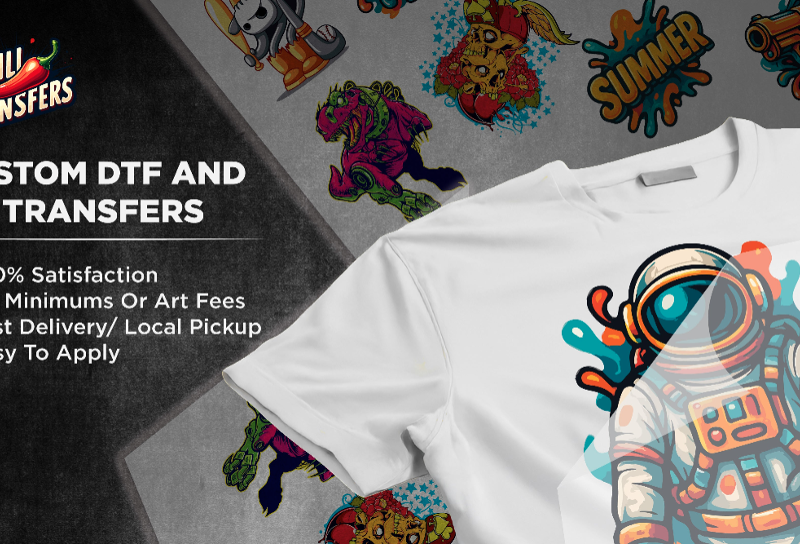
Companies offering professional printing services play an important role in supporting designers and brands. Providers such as Chili Transfers offer DTF Transfer Services in New Mexico, helping ensure that typography-driven designs maintain clarity, accuracy, and durability across apparel and branded merchandise.
Consistency Across Digital and Physical Branding
Modern brands operate across both digital and physical environments. Typography must remain consistent whether it appears on a website, social media graphic, or printed garment. Discrepancies between digital designs and printed output can create confusion and weaken brand identity.
High-quality printing solutions support consistency by accurately reproducing fonts and layouts across different applications. This alignment helps brands maintain a unified visual language and reinforces trust with audiences.
For brands that value typography as a core design element, consistency across platforms is essential. Reliable printing ensures that physical products match digital designs, creating a seamless brand experience.
Scalability and Long-Term Brand Use
As brands grow, their printing needs often expand. Typography-heavy designs must scale across larger production runs without losing quality. Printing methods that support scalability allow brands to maintain typographic integrity even as volume increases.
Scalable printing solutions also support long-term brand use. Fonts and designs remain consistent across seasons, campaigns, and product lines. This continuity strengthens brand recognition and simplifies future design work.
Professional printing services help brands plan for growth by offering predictable results across different order sizes and materials.
Reducing Design Compromises Through Better Printing
Poor print quality often forces designers to compromise. Thickening fonts, simplifying layouts, or avoiding certain typefaces may be necessary when printing methods are unreliable. These compromises limit creative freedom and reduce the effectiveness of typography.
High-quality printing eliminates the need for such adjustments. Designers can confidently use their chosen fonts and layouts, knowing that the final printed product will reflect their original vision. This freedom encourages more expressive and impactful design.
The Future of Typography in Print Design
As printing technologies continue to evolve, typography will play an even more prominent role in brand communication. Improved print methods allow for greater detail, color accuracy, and durability, expanding the possibilities for typographic design.
Brands that prioritize both typography and print quality position themselves for long-term success. By investing in reliable printing solutions, they ensure that their visual identity remains strong, consistent, and adaptable across all platforms.
Conclusion
Typography and print quality are deeply connected. Fonts alone cannot communicate effectively if printing fails to preserve their design. High-quality printing ensures that typography remains clear, consistent, and impactful across apparel and branded merchandise.
By working with professional printing providers and selecting reliable print methods, brands and designers can protect typographic integrity and strengthen brand identity. In a competitive visual landscape, attention to typography and print quality makes a meaningful difference.