
How Companies Use Visual Branding in Corporate Events
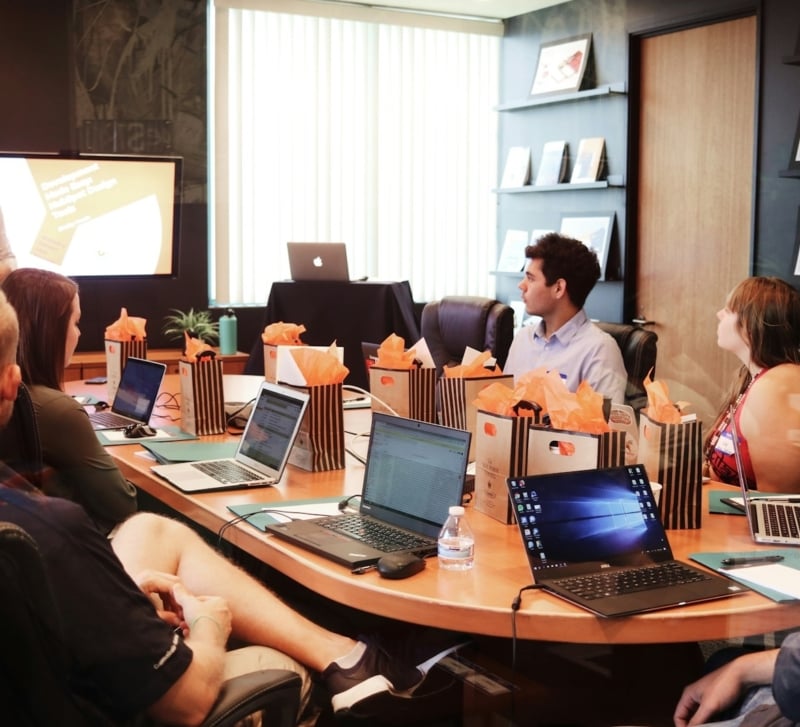
Corporate events will often stand out not for the speeches or presentations but rather how they felt. The atmosphere in the venue, the colors, the signage, even the fonts on presentation screens all quietly contribute to creating a whole experience. Well before the first keynote speaker steps up to a stage, visual branding is already communicating its story about the company putting on the event.
What if you walked into a big industry conference. As soon as you walk in, you notice coordinated engineered banners, branded registration desks and attendees wearing badges that all use the same colour palette and typography. Even while not consciously thinking about it, your mind identifies a continuing identity. This is the kind of impact visual branding has on corporate events—it creates a cohesive atmosphere that conveys professionalism, trust, and intention.
What Is Visual Branding in Corporate Events?
Simply put, visual branding at corporate events is the artistic application of a company’s motif across the event ambiance. It guarantees a consistent brand message and personality across all visual touchpoints.
These elements typically include:
- Logos and brand marks
- Color palettes
- Typography and font styles
- Layout and graphic design styles
- Imagery, icons, and visual patterns
When these components are applied repeatedly in event collateral they help cement brand recognition while also helping the experience feel well thought out and organized.
For instance, a technology company servicing an annual conference can use their model colors in digital screens and within the stage backdrop, attendee credentials and printed packages. Even the smaller things, like directional signage or event passes contribute to the storytelling visually.
Consistency is key. When all visual aspects are in line with the company’s personality, attendees automatically connect the experience to the brand itself.
Use of Typography in Event Branding
There’s a surprising amount of even tone-setting to be had with typography. Fonts convey character in understated ways. A primer of contemporary san serif could indicate innovation and modernity while a traditional serif connotes tradition and authority.
Typography is everywhere at corporate events:
- Presentation slides
- Event banners and stage displays
- Registration materials
- Conference schedules
- Name badges and attendee credentials
Designers select typefaces to complement a company’s brand identity in addition to creating readability across vast spaces. For example, signage generally uses bold fonts with high contrast so attendees can readily read directions even from a distance.
They blend both aesthetic and functional aspects of good typography. It can be difficult to read in person, and may create confusion in a busy event atmosphere where attendees want a fast response.
Establishing a Unified Problem with Event Assets
Perhaps, one of the most significant challenges when it comes to event design is ensuring visual coherence through a multitude of different materials and platforms. Corporate events often have both a digital and physical component, and both need to be on-brand.
Branded corporate event materials:
- Stage backdrops and digital displays
- Event programs and brochures
- Conference apps and websites
- Registration desks and signage
- Attendee credentials and accessories
Design teams will typically create event-specific style guides specifying how logos, colours, typography and other elements should be applied. These rules help to ensure that all parties involved in the production of materials, from designers through to printers, are following the same visual guidelines.
A well-crafted venue becomes the literal extension of a cohesive brand experience. As attendees transition from registration to networking sessions to keynote presentations, they continue interacting with the same visual identity.
Visual Branding and the Experience of Your Attendees
Visual branding doesn’t just decorate an event; it determines the way attendees engage with the environment.
Consider the journey of a typical attendee to your conference. They show up at the hotel, find the check-in desk, get their badge, traverse through the room tabs and join sessions with other attendees. Visual cues guide their experience at every turn.
Good signage also helps them find meeting rooms.” Consistent colors allow official event materials to be recognized. With a branded credential, participants can quickly recognize real attendees.
Even small design decisions can help with interaction in some cases. For instance, clear typographic hierarchy and proportionately-designed badges facilitate networking since they allow you to identify the names and organizations of fellow attendees at a glance.
Tokens are already in use for identification and access management, especially at larger events where physical items such as event passes or branded accessories serve that purpose. Some companies choose to work with suppliers who specialize in event identification materials like 4inlanyards, as part of the overall visual system and arrangement when planning these things.
Why Readability and Accessibility Are Key
While visual branding is an aesthetic consideration, usability matters just as much. Corporate events frequently include hundreds of attendees or more, and organizations are often operating on limited time during a conference.
When creating materials for an event, designers need to take several things into account:
- Use of high contrast colors for better readability
- Large size fonts for signs seen from afar
- Structured layouts with minimal information overload
- Logical information hierarchy so audience grasps main ideas fast
Access is also becoming a major consideration in event design. Using readable formats for your signage, printed materials and digital displays helps a wide audience with different visual abilities.
A successful visual branding tactic thus strikes a balance between creativity and clarity.
Integrating Digital and Physical Branding
Corporate digital and physical experiences are on the rise. Participants may engage with mobile event apps, digital schedules, QR codes and live social media feeds as well as navigate physical spaces crammed with signage and printed materials.
As a result of this combination, designers must remain consistent in multiple formats.
The same typeface and color swatches used on event websites can also be found in presentation slides for the conference, as well as registration materials. Event passes with QR codes can echo the same design identity present in the conference’s online platform.
When physical branding and digital branding does coalesce, it provides attendees with a harmonized visual interaction of experience that feels very organized and professional.
Breakthroughs in Corporate Event Branding
The trends and technology that are shaping the future of design continue to influence corporate event branding. There are many more trends that are on the rise in current event experiences.
Content-aware layouts, or minimalist design, have become the new cool, with clean designs and fewer colors highlighting just the right information.
Bold typography is also trending, with large headline fonts in stage designs and even signage making a big visual impact.
Immersive environments are increasingly popular as well. LED walls, digital projections and interactive screens enable companies to carry brand visuals throughout entire spaces.
Some events take this a step further by adding interactive branding with attendees interacting within a digital display or social media installation that speaks to the company’s identity.
These innovations showcase how visual branding is ever-evolving as events become more deep-rooted in technology.
Tips for Creating Branded Event Materials
A few well-tailored design pieces can make a huge impact, however creating the best visual branding for any corporate events is about effective planning and most importantly coordination. There are several best practices that designers and event organizers usually follow:
- Consistency in all visual assets
- Prioritize readability and clear communication
- Tip: Employ typography to accentuate brand identity
- Ensure visual design is in line with the company’s branding standards
Pragmatism: Designing for Real Life Event Scenarios
If aligned with these basic principles, companies can create visually connected events that help in communications as well as attendee engagement.
Final Thoughts
Corporate events are a strong opportunity for companies to showcase their identity in an interactive environment. From the first moments when attendees walk through the doors to the last session of the day, visual branding subtly influences how an event is experienced — and remembered.
By carefully utilizing color, typography, signage and event materials, organizations have the ability to create immersive brand environments outside of their everyday facilities. The end result of their creation is more than an organized event—it essentially becomes a visual storytelling that supports the company’s message, values, and professionalism.
So what does a carefully designed visual branding everywhere we go become, when used correctly, in your event as the created spaces one: for a gathering of people?