
A Beginner’s Guide to Professional Facial Machines for Salons
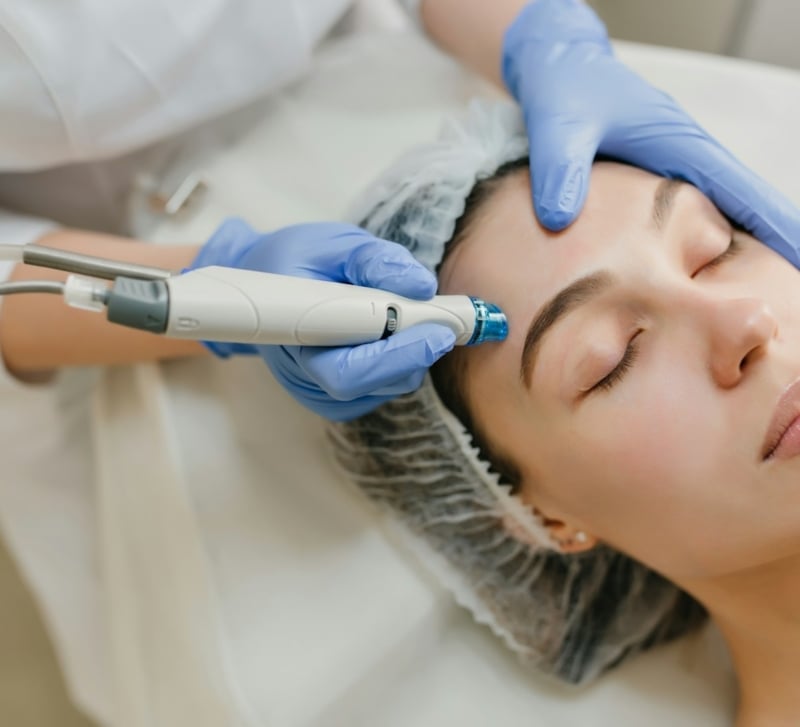
Starting your salon journey with the right equipment can feel overwhelming. When you’re faced with a list of machines you’ve never even heard of, it’s easy to freeze.
This guide breaks down what you actually need to know about professional facial machines, from how they work to buying them safely.
How Professional Facial Machines Fit Into Salon Services
Professional facial machines aren’t just nice extras. They let estheticians treat skin concerns at a deeper level than hands alone—think targeted extractions or a real hydration boost.
Each machine category covers a specific part of the facial process. Knowing where they fit helps you build smarter service menus.
What These Devices Actually Do During A Facial
Facial machines use physical or energy-based methods to treat skin. A facial steamer, for example, opens pores so extractions are easier and serums absorb better.
Other devices use suction, vibration, or abrasion for exfoliation. Machines can speed up what hands alone just can’t do.
That post-facial glow clients rave about? It’s often thanks to the devices used during treatment.
Each step in a professional facial—cleansing, extractions, hydration—can be enhanced by a machine designed for that purpose.
The Main Machine Categories Beginners Should Know
If you’re just starting out, stick with these core categories:
- Facial steamers: Warm steam softens skin and opens pores before extractions or masks.
- Microdermabrasion machines: Use crystals or diamond tips to remove dead skin and smooth texture.
- Hydro or aqua-style systems: Combine exfoliation, extractions, and hydration in one treatment with water and serums.
- LED light therapy panels: Use different light wavelengths to target issues like acne or aging.
- High-frequency devices: Apply mild electrical current to calm breakouts and support healing after extractions.
You don’t need every category right away. Starting with two or three versatile machines is plenty.
How Professionals Match Machines To Skin Concerns
A good esthetician doesn’t use the same machine on everyone. Matching the right device to the right concern is a core part of the job.
For oily or acne-prone skin, high-frequency tools and steamers are often used together. Dry or dull skin? Hydro-style systems that push serums deep work wonders.
Clients with uneven texture often do best with microdermabrasion (or chemical peels) followed by serious hydration. Your machine choice should always follow a proper skin assessment.
What works beautifully for one client could irritate another. Getting this right keeps treatments safe and effective.
Where Machines Fit In A Skincare Routine
In a salon, machines slot into the routine in a certain order. Steaming almost always happens early, after cleansing, to prep the skin.
Extractions come next, sometimes using a suction device for a gentler touch. After that, machines that push serums or hydrate take the spotlight.
LED light therapy is often near the end, since it doesn’t need any special prep and works well on already-treated skin. Keeping machines in the right sequence helps protect the skin and makes results last.
Choosing, Using, And Evaluating Equipment Safely
Buying the wrong machine early on is a classic (and pricey) mistake for new salon owners. The right choices depend on your budget, your clients’ needs, and how safely each device can be used.
Microdermabrasion Vs Hydro-Style Systems
Both of these machines focus on exfoliation, but they work differently and suit different skin types.
A microdermabrasion machine uses fine crystals or a diamond-tipped wand to physically buff away dead skin. It’s great for improving texture and evening out skin tone, especially on normal to oily skin.
It can be drying, so it’s not always ideal for sensitive types. Hydro-style systems use water and serums to exfoliate and hydrate at the same time.
They’re gentler and often give more immediate results—clients love that. Plus, you can push serums into the skin during treatment, adding real value.
| Feature | Microdermabrasion | Hydro-Style System |
| Skin types | Normal, oily | Most skin types |
| Primary benefit | Exfoliation, texture | Exfoliation + hydration |
| Downtime | Mild redness possible | Little to none |
| Cost range | Lower to mid | Mid to higher |
For beginners, a hydro-style system often makes a strong first investment. It’s versatile and carries less risk of side effects.
LED Light Therapy And Why Wavelengths Matter
LED light therapy uses specific wavelengths to trigger responses in the skin. This isn’t a tanning device or a heat treatment.
The light penetrates at controlled depths to support natural biological processes. Here’s the quick breakdown:
- Red light (around 630-700nm): Supports collagen and helps with fine lines.
- Blue light (around 415-450nm): Targets acne bacteria and calms breakouts.
- Near-infrared light: Goes deeper, helps blood flow, and supports tissue repair.
Wavelengths matter—a lot. Using the wrong one for a client’s concern won’t get results.
A quality LED panel will clearly label which wavelengths it emits. Always look for devices that specify exact ranges, not just “red” or “blue.”
LED therapy is one of the safest add-ons, but don’t skip proper protocols or eye protection.
Core Buying Criteria For Salon Owners
Before you spend a dime on any machine, run through this checklist:
- FDA clearance or CE marking: These mean the device meets safety and performance standards.
- Warranty: Look for at least two years, especially on pricier gear.
- Training support: Pick suppliers who offer hands-on or online training with your purchase.
- Consumables cost: Some machines need replacement tips, cartridges, or serums. That adds up—factor it in.
- Vendor reputation: Read reviews from real estheticians, not just product blurbs.
Leasing or lease-to-own can help spread out the cost of higher-end machines. That way, you don’t drain your startup budget all at once.
Client Safety, Contraindications, And Professional Oversight
No machine replaces good judgment. Every professional facial device comes with a list of contraindications.
These are basically conditions where you just shouldn’t do the treatment. Pregnancy, active skin infections, certain medications, and some medical conditions can all make certain machines a bad idea for a client.
Always get a detailed intake form before starting anything. If someone’s got a complicated skin history, autoimmune issues, or they’re on meds that mess with skin sensitivity, you might need a dermatologist’s okay.
Training isn’t really optional. Even the so-called beginner-friendly devices can cause burns, broken capillaries, or other skin problems if you don’t know what you’re doing.
Invest in real esthetician training for each device you add. And honestly, it’s smart to revisit your protocols as you learn more—nobody knows it all.