
Automotive Interior Material Buying Guide for Smart Choices
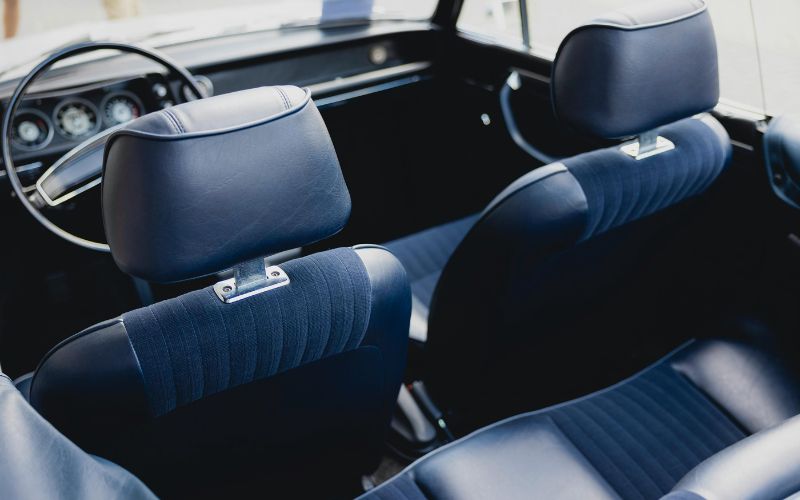
Auto upholstery covers more than just seats. Your door panels, headliners, and floor areas all play a role in how comfortable and durable your cabin feels over time.
Car upholstery choices affect everything from how your vehicle smells on a hot afternoon to how easy it is to clean after a road trip with kids or pets.
How To Choose The Right Material For Your Seats And Cabin
Your daily routine, local climate, and who rides in your vehicle all shape which seat materials will hold up and feel right over time. Durability, comfort, and cleanability vary widely across cloth, vinyl, leather, and synthetic options.
Match Materials To Daily Use, Climate, And Passengers
Start by being honest about how you actually use your vehicle. A single commuter in a mild climate has very different needs than a parent hauling kids and a dog through humid summers.
For high-traffic vehicles, prioritize materials with strong abrasion resistance. Fabric and cloth upholstery breathe well and feel comfortable in moderate climates, but they absorb spills and stains quickly.
If you have children, pets, or a job that leaves your clothes dirty, that matters a lot. In hot, sunny states like Texas, Arizona, or Florida, UV exposure is a major concern.
Vinyl upholstery and solution-dyed synthetics hold their color better under constant sun than untreated cloth. Genuine leather and premium leather can crack and fade without regular conditioning in these climates.
Cold climates bring their own challenges. Leather and vinyl both get stiff and uncomfortably cold in winter.
Cloth seats stay softer at low temperatures, which some drivers strongly prefer.
Compare Cloth, Vinyl, Leather, And Synthetic Alternatives
Here’s a straightforward comparison of the most common automotive upholstery fabric types:
| Material | Comfort | Durability | Cleanability | Cost |
| Cloth/Fabric | High | Moderate | Low | Low |
| Vinyl | Moderate | High | High | Low-Moderate |
| Genuine Leather | High | High | Moderate | High |
| PU Leather / Faux Leather | Moderate-High | Moderate-High | High | Moderate |
| Synthetic Leather | Moderate-High | Moderate-High | High | Moderate |
| Microfiber / Suede | High | Moderate | Moderate | Moderate-High |
| Alcantara / Faux Suede | Very High | Moderate | Moderate | High |
| Performance Synthetics | Moderate | Very High | High | Moderate-High |
Genuine leather and premium leather offer a luxurious feel and age well when maintained. They need conditioning and are sensitive to UV.
Faux leather and PU leather replicate the look at a lower cost with easier care, though they may peel over time in extreme heat. Microfiber and synthetic suede like Alcantara grip well, feel premium, and work great in sporty or performance cabins.
They do require more careful cleaning to avoid staining or matting.
Where To Use Different Materials Across Seats, Door Panels, And Headliners
Not every automotive upholstery fabric needs to be the same across your whole interior. Mixing materials strategically can improve both function and cost efficiency.
Seats take the most wear, so prioritize durability and cleanability here. Vinyl upholstery or synthetic leather works well for daily drivers.
Genuine leather or Alcantara suits luxury or performance builds. Door panels see moderate contact but benefit from water-resistant automotive fabrics near the window and lower sections.
A combination of car interior fabric on upper panels and vinyl or synthetic leather on lower sections is a practical choice. Headliner fabric and auto headliner material need to be lightweight and resistant to sag.
Headliner material is typically a foam-backed fabric bonded to the roof. Choose a material that resists heat and humidity to prevent that drooping look over time.
Seat covers are a useful middle-ground option. They protect your existing upholstery without a full retrim and come in most of the same material options.
What Drives Long-Term Value After The Purchase
Once you own the material, your experience depends on how easy it is to care for, repair, and live with. Thinking about abrasion resistance, UV protection, and repairability before you buy saves money and frustration later.
Read Wear, UV, And Cleaning Requirements Before You Buy
Look for published wear ratings before committing to any automotive upholstery fabric. Wyzenbeek and Martindale test results measure how many rub cycles a fabric can handle before breaking down.
For daily drivers, aim for 30,000 cycles or more. UV protection matters just as much as wear ratings, especially if your vehicle sits outside regularly.
Check whether the fabric is solution-dyed, meaning the color runs through the fiber, or just surface-treated. Solution-dyed materials hold up far better under sunlight over multiple years.
Cleaning compatibility is easy to overlook until something spills. Some materials, like microfiber and suede, require a pH-balanced cleaner to avoid damage.
Genuine leather needs conditioning products, not just any household cleaner. Always confirm the manufacturer’s cleaning recommendations before you buy, not after.
Balance Installation Complexity, Repairability, And Styling Details
Some materials are easy to work with at home; others demand professional tools. Vinyl and faux leather stretch and trim well with basic tools, making them popular for DIY projects.
Genuine leather and Alcantara are less forgiving and often need a professional for a clean result. Pay attention to how a kit is assembled.
Hog rings are the traditional fastening method for attaching upholstery to seat frames. They require a specific tool but create a secure, long-lasting hold.
Make sure your chosen kit uses reliable attachment hardware. Styling details like contrast stitching can make an interior look more premium without a large cost increase.
Just keep in mind that decorative stitching in high-stress areas can fail sooner if the thread quality is low.
Estimate Upfront Cost Versus Lifespan And Resale Impact
A $250 set of cloth seat covers might look fine for a year. After that, they could fade or pill and need replacing.
A $700 set of quality vinyl or synthetic leather covers could last five years or more with just basic care. When you crunch the numbers, spending a bit more at the start often makes sense.
Here’s a rough cost-to-lifespan breakdown:
- Cloth/Fabric covers: $200-$400, moderate lifespan of 2-4 years under daily use
- Vinyl/Faux leather kits: $450-$700, good lifespan of 4-7 years
- Genuine leather retrim: $1,500-$4,000+, long lifespan of 7-15 years with care
- Eco-friendly options using recycled plastics or plant-based fibers: add roughly 15-30% over standard pricing
A well-chosen interior upgrade can really lift resale value, especially in trucks, SUVs, and classics. Buyers definitely notice clean, intact interiors.
Worn or cracking seats? Those drop perceived value fast. Choosing durable materials now just makes sense if you’re thinking about selling or trading down the road.