
How Custom Packaging Helps Brands Increase Product Value
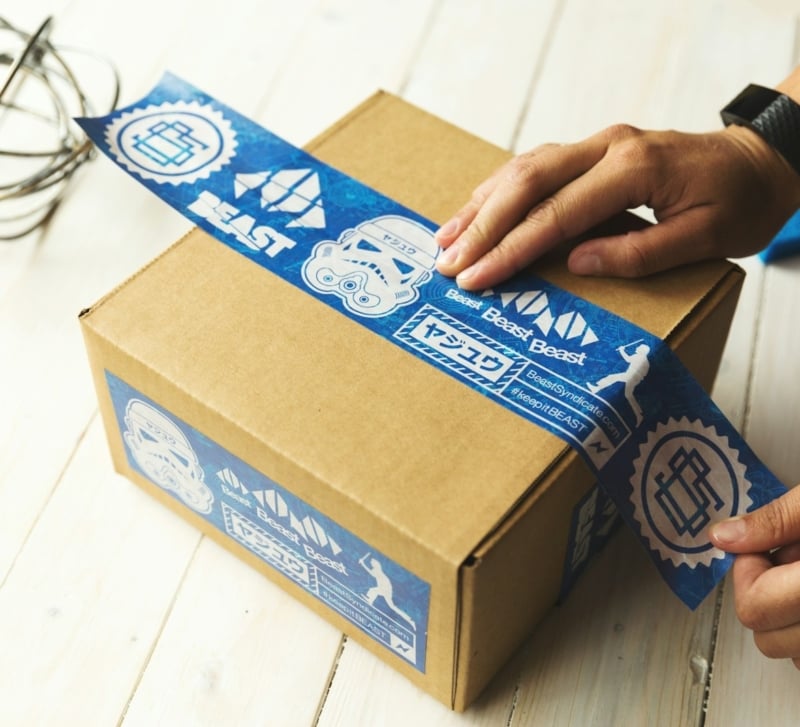
Packaging isn’t just a container. It’s the first thing customers see, and it shapes how they feel about your brand before they even try what’s inside. When your packaging looks and feels premium, people assume the product is worth more. They’re often willing to pay extra for it.
At the same time, smart packaging choices can quietly make your whole supply chain run smoother. Custom packaging hands you control over all of this.
How Packaging Increases Perceived Product Value
Packaging design is usually the first thing a customer notices. The format, materials, and finishes you pick send signals about your brand’s quality and place in the market.
Why Packaging Design Shapes Quality Perception
People judge products in an instant. There’s plenty of research showing that a lot of buying decisions happen just from seeing the packaging—no reading, no opening, just a glance.
If your custom packaging looks and feels substantial, it instantly says “quality.” Thick materials, sharp printing, and crisp lines do wonders. On the flip side, flimsy or generic packaging makes even a great product feel cheap.
Custom packaging lets you match your product’s vibe to what your customers expect. A luxury skincare brand needs to say something totally different than a bulk hardware supplier. Getting that right? It starts with design.
Using Customized Packaging To Strengthen Brand Differentiation
Standing out is tough these days. Packaging is one of the best ways to do it.
If your boxes look different on the shelf or at the doorstep, people remember. Using your brand colors, logo, and design style over and over builds recognition, and recognition builds trust.
When customers see consistent, well-designed packaging, they’re more likely to come back—and maybe even tell their friends. Custom packaging also lets you tell your story.
A short message, a cool texture, or a funky box shape can show off what makes your brand unique.
Balancing Product Protection With The Unboxing Experience
Protection and unboxing don’t have to be at odds. The best packaging does both.
Your product has to arrive in one piece, but how it arrives matters too. Rigid gift boxes, folding cartons, and corrugated packaging all offer different feels and levels of protection.
Rigid boxes feel fancy when opened. Corrugated packaging is tough for heavier stuff. Folding cartons are great for retail displays. Picking the right one means thinking about the shipping journey and the moment someone opens it.
Paper bags and paper packaging have gotten popular for brands that want a clean, tactile feel without going heavy. Flexible packaging is super versatile, especially for food and consumer goods.
Matching your packaging style to your product—and to what your customers expect—is a big part of a solid packaging strategy.
Choosing Formats, Materials, And Finishes That Match Brand Positioning
Materials and finishes do a lot of the heavy lifting for perceived value. The weight of your paperboard, the feel of your coating, and how the light hits your packaging all shape how customers feel.
Foil stamping is a classic move for retail packaging. It adds a metallic shine that screams “premium” and catches the eye. Soft-touch coatings, embossing, and spot UV finishes add more dimension and reinforce your brand’s vibe.
Working with a packaging manufacturer that offers lots of material and finish options gives you flexibility. Companies like OM Packaging focus on making sure packaging matches your brand’s goals, not just giving you a generic box.
Production quality matters too. Crisp cuts, sharp colors, and precise printing all show attention to detail—customers notice that.
How Better Packaging Improves Operational Performance
Custom packaging isn’t just about looks. The right packaging strategy can cut costs, speed up your warehouse, and strengthen your supply chain from end to end.
Packaging optimization, smart tracking, sustainability, and supplier teamwork can all make a real difference.
Right-Sizing For Lower Packaging Costs And Better Space Utilization
Right-sizing means making packaging fit your product as closely as possible. When you cut out empty space, you use less material and can fit more units on a pallet or truck.
Extra space wastes material and adds weight, which just drives up your shipping costs. Right-sizing your packaging directly lowers transportation costs and helps you use space better across your whole network.
There are software tools now that can analyze your orders and shipping patterns. You can adjust packaging sizes based on real data, not just guesses.
Improving Transportation Efficiency And Supply Chain Performance
Packaging and transportation efficiency are closely linked. Lighter, right-sized packaging means more units per truckload and a lower cost per item shipped.
Good packaging also protects products better in transit. Fewer damaged goods means fewer returns and delays, which keeps your supply chain moving.
Custom packaging designed for your specific products and logistics needs usually beats generic options. It stacks better, ships more efficiently, and protects better.
Using Smart Tracking To Strengthen Inventory Visibility
Smart packaging tech gives you real-time info on where your products are and what shape they’re in. Barcodes and QR codes make scanning quick and accurate at every step.
IoT-enabled packaging and smart labels go further. RFID chips let automated systems track items without manual scanning.
This level of tracking cuts down on errors and helps you predict demand better. It also makes stock management less of a headache.
Building Sustainability And Resilience Into Packaging Strategy
Sustainable packaging can shrink your environmental footprint and cut costs. Eco-friendly materials often weigh less, which means cheaper shipping. Using recycled materials can also save on raw material costs.
Reusable and returnable packaging makes sense if you’ve got a closed-loop supply chain. When goods move between fixed locations, you can set up returnable systems that cut down on single-use waste—if your reverse logistics are solid.
Sustainable packaging also supports your bigger environmental goals and builds trust with customers who care about that stuff. Plus, working with multiple packaging suppliers and using a mix of materials can make your supply chain more resilient to disruptions.