
How to Choose Cosmetic Packaging Materials: PET vs. PP vs. PETG
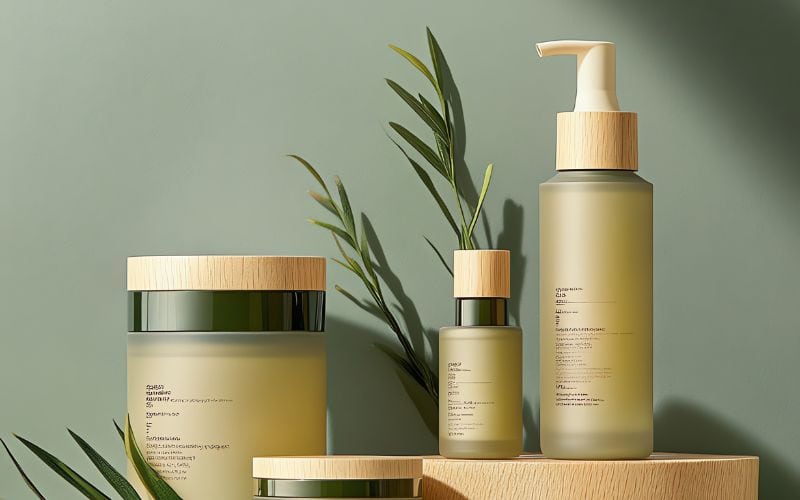
You’ll see three materials everywhere: PP (polypropylene), PET (polyethylene terephthalate), and PETG (polyethylene terephthalate glycol). Each has its own strengths and, yeah, some drawbacks.
Let’s break down each material in plain English so you can actually feel good about your choice.
Choose The Right Material For Formula, Look, And Performance
PP, PET, and PETG each bring something different to the table. PP is tough against aggressive formulas and heat. PET gives you that lightweight, crystal-clear look that pops on shelves. PETG? It’s sort of the bridge—premium feel, flexible design.
When PP Is The Better Fit For Harsh Formulas And Functional Parts
Polypropylene (PP) is what you want if your formula’s loaded with strong acids, bases, or actives that could chew through other plastics. It holds up across a pH range from 2 to 12.
PP can take the heat—up to about 120°C. That’s handy for products going through hot manufacturing or sterilization. You’ll spot it in flip-tops, pump parts, and other “working” bits of containers.
It’s also one of the more affordable plastics out there. If you’re launching a big skincare or personal care line and need chemical resistance without breaking the bank, PP should be high on your list.
When PET Works Best For Clear, Lightweight Shelf Appeal
PET is your go-to when you want clarity and lightness. It delivers a glass-like finish, so your product shines through the bottle. That’s a real edge in stores where looks matter.
It’s everywhere in toners, serums, and body lotions—basically anything water-based that doesn’t have a ton of oils or solvents. PET’s barrier properties help keep moisture and oxygen out, which gives your formulas a longer life.
One hitch: PET softens at around 70°C. So, it’s not for hot-fill or products that might sit in a hot car. For most skincare on shelves, though, that’s rarely an issue.
When PETG Makes Sense For Premium Packaging And Complex Shapes
PETG is the pick when you want top-tier clarity and the freedom to get creative with shapes. It’s got a glossy finish that’s almost glass-like—great for premium lines where looks are everything.
It’s tougher and more impact-resistant than regular PET. So, it stands up to drops and rough handling better, which is a lifesaver in shipping.
But it’s pricier. And, honestly, it’s not as easy to recycle. If your brand is high-end and packaging design is a big part of your identity, PETG might be worth the extra spend.
How Chemical Resistance, Barrier Properties, And Temperature Resistance Affect Product Safety
Choosing the wrong plastic can mess with your formula’s safety and stability. Chemical resistance is key—PP is the leader here, then PETG, then PET.
Barrier properties matter if your formula doesn’t like air or moisture. PET does well for water-based stuff.
Temperature resistance? If your product gets hot during production or sits in a car in summer, PP is your safest bet. PET and PETG can warp under heat, which might break seals or let in contaminants.
How Impact Resistance And Packaging Design Influence Bottles, Jars, And Tubes
Impact resistance tells you how well your packaging survives daily life. PETG is the toughest, then PP, then PET. For bathroom drops or travel, that can really matter.
Design also plays a role. PETG can be shaped into more complex or curved designs without losing clarity, so you get more creative freedom. PP is great for functional designs like squeeze tubes or caps. PET is simple and works well for classic bottle shapes.
Where will your product live? A serum on a glass shelf needs something different than a sunscreen tossed in a beach bag.
Balance Sustainability, Cost, And End Use
It’s not just about how the material performs. Recyclability, environmental impact, and how well it fits your product category all matter—sometimes more than you’d think.
How Recyclability Changes The PET, PP, And PETG Decision
Recyclability is a big differentiator here, and honestly, the numbers might surprise you. PP containers have a global recycling rate of about 41%, which is the best of the three. PET is around 29%, and PETG is lowest at roughly 18%.
PET’s rate is lower partly because it sometimes needs aluminum film removed before recycling. PP, labeled as resin #5, is accepted by about 67% of US cities. PET (#1) is accepted by about 92% of US cities, so there’s more infrastructure for it—even if the actual recycling rate isn’t as high.
PETG is the hardest to recycle. It looks like PET, so it often gets sorted wrong at recycling plants and ends up in landfills. If eco-friendly packaging is a top priority, I’d put PETG last.
Matching Materials To Skincare, Makeup, And Bulk Packaging Needs
End use is huge. For skincare like serums and toners, PET is a natural fit—clear and protective. For creams and balms, PP handles heavier, oilier formulas better.
For makeup—foundations, primers, lip products—PETG gives you that luxe look higher-end products want. Its shine and design flexibility help your brand stand out.
Bulk packaging? Cost wins. PP is cheapest per unit and works for lots of formulas. If you’re making high-volume, functional containers and looks aren’t everything, PP is usually the way to go.
How To Compare Eco-Friendly Packaging Options Without Greenwashing
Greenwashing is a real risk when you market your packaging as eco-friendly. Vague claims like “sustainable packaging”—especially without any specifics—can attract regulatory scrutiny and chip away at consumer trust.
To sidestep this, focus on what you can actually measure and verify. Ask yourself: does your material use post-consumer recycled (PCR) content? Does it qualify under your state’s Extended Producer Responsibility (EPR) program? Maybe it has third-party certifications—those matter.
PET with PCR content, for example, has a measurable environmental benefit you can communicate honestly. That’s something you can point to without hesitation.
When you’re comparing eco-friendly packaging options, try to look at the whole picture. Think about recyclability rates, how good the local recycling infrastructure is, how much energy goes into manufacturing, and even the material’s weight.
A lighter PET bottle with PCR content might actually have a lower environmental impact than a heavy PETG bottle that’s marketed as “premium and sustainable.” Let the data guide your claims, not just the marketing angle. It’s not always as straightforward as it seems, is it?