
OPPO Find X9s: Mastering Natural Depth for Iconic Thai Portraits
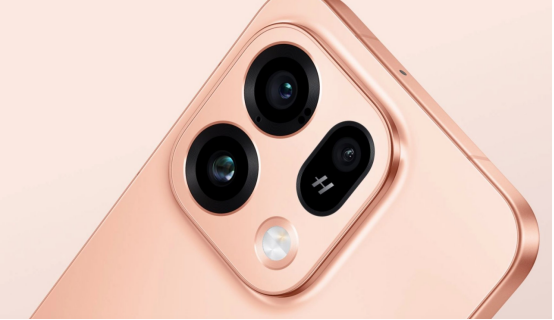
Portrait photography on smartphones has moved past the basic question of “can it blur the background?” The better question now is whether the blur looks like it belongs — whether the transition from sharp subject to soft background follows the logic of real optical depth, rather than looking like the edges got smudged. The OPPO Find X9s, which became available in Thailand in May 2026 as part of the Find X9 series, approaches portrait work through its Hasselblad co-development, and the results read differently from most smartphone portrait implementations.
Hasselblad Portrait Mode: Why It Renders Differently
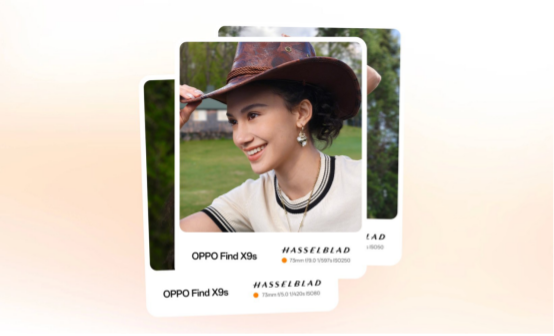
Hasselblad’s medium-format cameras produce a particular depth rendering: gradual background separation with smooth tonal transitions across the subject. Instead of that harsh, cut-out look you usually get, the Find X9s actually handles the transition from my subject’s hair to the background smoothly. It just looks like it was shot on a real mirrorless camera.
What this looks like in practice is background blur that transitions gradually rather than cutting hard at the subject’s edge. Hair, fabric textures, and fine details at the subject-background boundary are handled with less of the halo artifacting that characterizes cheaper portrait mode implementations. The tonal transitions across skin — how light and shadow move across facial structure — are rendered with gradual shifts rather than the flat, processed appearance that heavy AI portrait modes often produce.
Hasselblad Portrait Mode on the OPPO Find X9s mainly leverages its key portrait focal lengths (the 24mm main and the 73mm periscope telephoto), with the 3× optical compression contributing to the depth rendering. For most portrait work, the 73mm telephoto provides the most flattering perspective, with optical compression from the 3× zoom contributing to the depth rendering alongside the software processing. Beyond portraits, the 50MP ultra-wide lens (15mm) turns travel landscapes and sprawling cityscapes into striking perspectives rather than isolated against a blurred background.
AI Portrait Glow: Lighting Correction at Analysis Level

If you’ve ever tried taking photos around Bangkok, you know the struggle: the midday sun is brutal, and cafe lighting is always a weird mix of warm bulbs and harsh shadows. AI Portrait Glow on the OPPO Find X9s analyzes each individual portrait image and applies lighting corrections based on the specific conditions of that shot
The key distinction from a live filter is that this analysis happens at the image level, after capture, based on the actual scene data rather than a preview approximation. A portrait taken against a bright window — where the face goes dark from backlight exposure — gets corrected differently from a portrait taken under harsh overhead fluorescent light. The system reads the lighting situation and adjusts accordingly, producing portraits that OPPO describes as “bright, balanced, and beautifully refined”
AI Perfect Shot and AI Clear Face
We all have that one friend who manages to blink in every single group shot. During a recent dinner in Ekkamai, the AI Perfect Shot feature literally saved our group photo by subtly fixing a closed eye. AI Clear Face, running alongside, sharpens facial detail across the group
These features don’t create photographically exceptional images — they create images that are usable rather than deleted. The person who accidentally blinks or whose face appears blurry in a group shot: AI Perfect Shot and AI Clear Face address these exact frustrations without requiring a reshoot.
All-Focal-Length Hasselblad Portrait
This feature captures the same subject through three classic portrait focal lengths and combines the frames into a striking collage, offering different layers of depth from wide context to intimate detail. The creative intent is to tell a more complete story: the wide frame provides environmental context, the standard frame gives natural portrait framing, and the telephoto brings intimate detail
Editorial portrait photographers have used multi-focal-length coverage to document subjects for years. The OPPO Find X9s operationalizes this into an accessible format with the collage output. Whether this becomes a regularly used feature or primarily a demonstration of capability is hard to predict, but the execution is technically clean.
The Periscope Telephoto for Portrait Work
The 50MP periscope lens at 73mm f/2.6, producing 3× optical zoom, handles portrait framing without digital cropping. This matters for color accuracy: telephoto optical output at native focal length renders skin tones differently from digitally cropped images taken at a shorter focal length. At 50MP resolution, there’s also significant cropping flexibility post-capture.
Compared to the Find X8 Pro, which also carried a periscope telephoto with Hasselblad calibration, the Find X9s brings the newer Dimensity 9500s chipset’s processing to the same camera architecture.
Display as a Portrait Review Tool
Trying to review photos under the blazing afternoon sun is usually a nightmare, but the screen gets insanely bright. I didn’t have to squint or find shade just to check if my shots were in focus. At this pixel density, checking sharpness, bokeh quality, and facial detail at full resolution is possible without transferring files to another screen. The 3600 nits figure keeps the display readable in direct sunlight during location shoots.
Final Assessment
Is it the perfect camera? No. But if you’re someone who takes a lot of photos of friends, family, or street life and hates that over-processed smartphone look, the Find X9s presents a highly competitive and compelling choice for portrait enthusiasts right now. The depth rendering, cross-focal-length capability, and AI lighting corrections form a coherent system.