
5 Best Cooking Vacations in Italy to Explore Regional Cuisine and Traditions
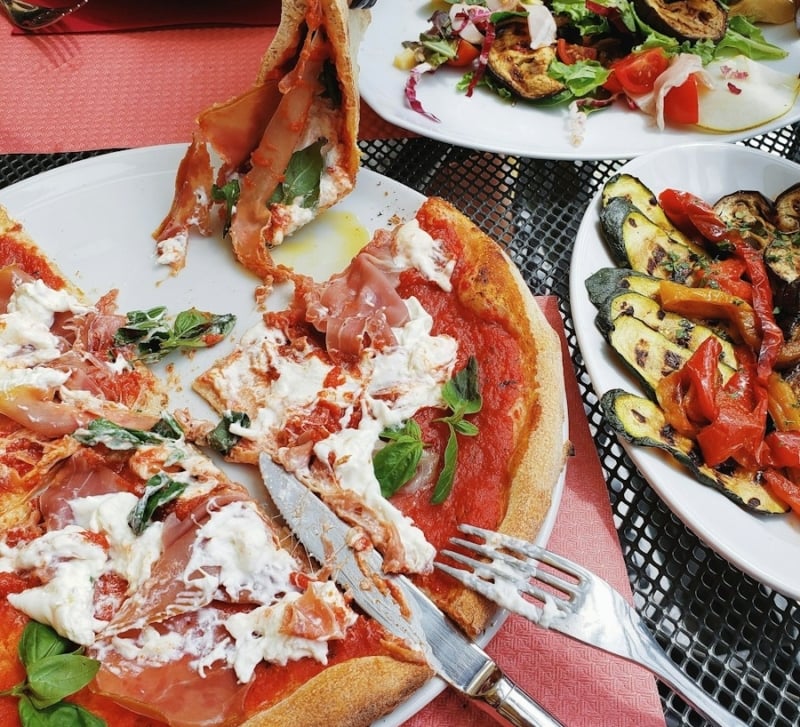
Italy’s culinary identity changes from one region to another. A dish prepared in Tuscany may look completely different from something served in Sicily or Emilia-Romagna. These differences make Italy an exciting destination for travelers who want to understand food through experience.
Cooking vacations in Italy combine traditional recipes, local ingredients, and cultural discovery. Some travelers prefer private culinary retreats, while others enjoy cooking with local families or exploring regional food markets. The right experience depends on your interests, travel schedule, and preferred level of comfort.
Instead of choosing a cooking class based only on its location, consider what you want to learn. Do you want to prepare traditional pasta, discover lesser-known regional dishes, or experience Italian countryside life? The following 5 providers offer different approaches to culinary travel.
1. Italy Culinary Vacations: A Chef-Led Journey Through Italian Culture
Italy Culinary Vacations brings cooking and sightseeing together through private culinary experiences. Guests can learn from Chef Stefano while exploring Italian destinations through customized itineraries.
The company’s approach centers on combining hands-on cooking with regional travel. Its experiences can include time at the chef’s historic mountain home on Mt. Fumaiolo, followed by excursions to destinations such as Florence, Bologna, Venice, and Tuscany.
Why Choose a Chef-Led Culinary Journey?
A chef-led experience offers more than following a recipe. Travelers can ask questions about ingredients, preparation methods, and the traditions behind different dishes.
Italy Culinary Vacations emphasizes private arrangements rather than large-group tours. This can appeal to couples, families, and small groups who prefer a more personal experience.
The company also offers different vacation formats. Travelers can choose cooking-focused retreats or combine culinary activities with guided sightseeing.
This flexibility makes it an interesting option for people who want food to remain central to their holiday without spending every day inside a kitchen.
Cooking Meets Italian History
The experience extends beyond preparing meals. Guests can explore local markets, villages, cultural attractions, and regional traditions.
This combination is useful for travelers who want to understand how food connects with everyday Italian life. It also allows visitors to experience several destinations during one trip.
For people comparing cooking vacations in Italy, Italy Culinary Vacations provides a private, chef-led approach that combines instruction with travel planning.
2. Cooking Vacations: A Culinary Passport Across Italy’s Regions
Some culinary travelers already know their favorite Italian dishes. Others want to discover what different regions have to offer before selecting a destination.
Cooking Vacations takes a broad regional approach. Its experiences cover numerous Italian destinations, including Tuscany, Rome, Sicily, Sardinia, Piedmont, Umbria, and Emilia-Romagna.
Explore Italy Through Its Regional Ingredients
Regional variety is one of the biggest attractions of Italian food culture.
Travelers interested in Liguria might explore pesto and local seafood. Those visiting Emilia-Romagna may discover filled pasta and traditional sauces.
Sicilian cuisine offers another direction, with Mediterranean ingredients, seafood, vegetables, and distinctive desserts.
Cooking Vacations provides experiences involving local cooks, chefs, food artisans, and traditional recipes. Some programs also include market visits, vineyards, and cultural excursions.
This regional range can help travelers compare different culinary traditions without limiting their interests to one famous destination.
When Does a Regional Culinary Tour Make Sense?
A regional tour is particularly useful when food is the main reason for traveling.
Instead of choosing a destination only for its landmarks, travelers can select places based on ingredients and cooking traditions.
This approach also works for repeat visitors who have already explored Italy’s major cities.
When reviewing the available programs, check the itinerary carefully. Some experiences focus on one destination, while others combine cooking with several cultural activities.
3. Casa Gregorio: Traditional Hospitality in the Roman Countryside
Casa Gregorio offers a culinary experience connected with the Roman countryside and the traditions of Ciociaria.
Its programs bring cooking, accommodation, local dining, and cultural activities together. The experience centers on traditional Italian hospitality rather than a formal culinary classroom.
Learn Recipes Through Local Traditions
Food traditions often survive through families and communities. Recipes can change slightly between households, even when people prepare the same regional dish.
Casa Gregorio introduces guests to traditional cooking through classes with local chefs and cooks. Its experiences include learning to prepare homemade pasta, gnocchi, sauces, and other Italian specialties.
The setting provides an opportunity to explore the connection between food and local lifestyles.
Travelers interested in cultural immersion may appreciate learning recipes alongside conversations about regional traditions.
The Village Experience Beyond Cooking
Casa Gregorio’s programs take place around Castro dei Volsci, a historic village in the Roman countryside.
This location offers a different atmosphere from central Rome. Visitors can experience village surroundings while enjoying cooking activities and local excursions.
Selected programs include accommodation, meals, cooking lessons, and culinary tours. However, travelers should confirm the current package details before making reservations.
Casa Gregorio may appeal to visitors who want their culinary holiday to feel connected with local hospitality and countryside life.
4. Let’s Cook in Umbria: A Culinary Holiday for Slow Travel
Umbria offers an appealing alternative to Italy’s busiest tourist destinations. Its countryside, historic towns, and regional food traditions make it suitable for travelers seeking a slower pace.
Let’s Cook in Umbria organizes cooking holidays that combine culinary instruction with accommodation and regional exploration.
Discover the Umbrian Approach to Food
Umbrian cooking reflects the region’s agricultural traditions and local ingredients.
Visitors may encounter olive oil, seasonal vegetables, legumes, truffles, and traditional meat dishes.
Cooking experiences can introduce travelers to recipes that reflect the region’s history and countryside lifestyle.
The surrounding landscape also creates opportunities to explore historic towns and enjoy local food outside the kitchen.
A Different Kind of Culinary Holiday
Let’s Cook in Umbria offers programs with cooking lessons and cultural excursions. Some arrangements also accommodate solo travelers who want to join a group.
This is important because culinary travel does not always require a private booking or a large family group.
Solo travelers can potentially enjoy cooking activities while meeting other food enthusiasts.
Before choosing a program, review the available dates, group arrangements, accommodation, and included excursions.
5. Organic Tuscany: A Villa-Based Cooking Experience
Organic Tuscany focuses on cooking holidays based around Tuscan food and countryside accommodation.
Its published program describes a week-long experience at a country villa near Certaldo, between Florence and Siena.
This format appeals to visitors who prefer staying in one location rather than changing hotels throughout their trip.
What Makes a Villa Cooking Holiday Appealing?
A villa-based program provides a consistent setting for cooking, relaxation, and social activities.
Travelers can participate in scheduled lessons while enjoying the countryside between sessions.
Organic Tuscany describes hands-on cooking classes with local chefs. Its program also includes activities such as winery visits, tastings, and a guided Florence excursion.
This creates a balance between learning new cooking skills and exploring the surrounding region.
Is a Week in Tuscany Enough?
A week provides time to explore several aspects of Tuscan cuisine without rushing between destinations.
Travelers can learn recipes, visit local producers, and enjoy meals prepared during classes.
However, a villa-based experience differs from a multi-region culinary tour. Visitors who want to explore Rome, Venice, or Sicily may need to add separate travel arrangements.
The best choice depends on whether you prefer staying in one place or moving between different destinations.
Regional Cuisine: What Changes Between Emilia-Romagna, Sicily, and Tuscany?
Italy’s culinary diversity becomes clearer when comparing regional ingredients and cooking methods.
Emilia-Romagna is associated with rich pasta traditions, including tortellini and tagliatelle. Sicily offers Mediterranean flavors shaped by seafood, citrus, vegetables, and historical influences.
Tuscany often emphasizes rustic cooking, olive oil, beans, bread, and seasonal ingredients.
These differences make Italian regional cuisine classes valuable for travelers who want to understand more than popular Italian recipes.
How Much Does a Cooking Class in Italy Cost?
The cost depends on whether you choose a short lesson, private instruction, or a complete culinary holiday.
A basic cooking class generally costs less than a vacation package that includes accommodation, transportation, meals, and excursions.
When comparing prices, consider these factors:
- Class duration and number of lessons
- Private instruction or shared group sessions
- Accommodation and meals
- Transportation and airport transfers
- Market visits and guided excursions
- Wine tastings and additional activities
A lower price does not always mean better value. Travelers should compare everything included before deciding.
For example, a cooking class may require separate accommodation and transportation. An organized culinary vacation could include these arrangements within one package.
Always request a detailed itinerary and confirm whether optional activities require additional payment.
Which City in Italy Is Best for a Cooking Class?
There is no single destination that suits every traveler.
Florence is attractive for Tuscan cooking, fresh pasta, and countryside excursions. Bologna is worth considering for Emilia-Romagna cuisine and traditional pasta preparation.
Rome offers opportunities to explore regional dishes and traditional Italian food culture. Naples appeals to travelers interested in pizza and Campanian specialties.
Sicily provides a different experience through seafood, Mediterranean ingredients, and distinctive regional recipes.
For travelers who prefer rural surroundings, Tuscany and Umbria offer opportunities to combine cooking with countryside accommodation.
Choose a destination based on the dishes you want to learn and the overall atmosphere you prefer.
Is It Better to Do a Cooking Class in Rome or Florence?
Rome and Florence provide different culinary experiences.
Rome is ideal for travelers who want to explore traditional Roman dishes while enjoying historic attractions and urban food culture.
Florence is attractive for people interested in Tuscan cuisine, fresh pasta, and regional countryside traditions.
Florence may suit visitors planning winery trips or rural excursions. Rome may be more convenient for travelers who prefer combining cooking with major historical landmarks.
Neither destination is automatically better. Consider your favorite cuisine, available time, and travel plans before booking.
What Does an All-Inclusive Cooking Retreat in Italy Actually Cover?
The phrase all-inclusive can mean different things depending on the provider.
Some retreats include accommodation, meals, cooking classes, wine, transportation, and sightseeing. Others include only selected activities.
Before booking, ask whether the package covers:
- Airport transfers
- Daily meals and beverages
- Cooking classes and ingredients
- Accommodation and room arrangements
- Local transportation
- Cultural excursions
- Wine tastings and optional activities
Flights, personal expenses, and travel insurance may remain separate.
Request a written itinerary so you can compare packages accurately.
What Is an Agriturismo, and Why Do Food Travelers Choose It?
An agriturismo is a type of farm-based hospitality experience in Italy.
These properties often combine accommodation with agricultural activities, local food, or countryside dining.
Some offer cooking lessons using ingredients produced on the property. Others focus on meals prepared with seasonal farm ingredients.
This experience can help visitors understand how Italian food connects with agriculture and local communities.
Agriturismo accommodation may appeal to travelers who prefer rural surroundings, local hospitality, and a quieter holiday.
However, not every agriturismo offers cooking classes. Confirm the available activities before booking.
How Can You Avoid Tourist-Trap Cooking Classes?
A memorable cooking experience should offer meaningful participation and clear information.
Research the instructor, class description, and available reviews before booking.
Look for providers that explain:
- Which dishes participants prepare
- Whether students cook or only watch
- The experience level required
- The group size
- The class duration
- The ingredients and equipment provided
Be cautious when descriptions are vague or prices lack clear explanations.
A genuine culinary experience should help you understand regional food traditions rather than simply provide a quick demonstration.
How Do You Find a Class Beyond Pasta and Tiramisu?
Pasta and tiramisu are popular, but Italian cuisine includes many other specialties.
Ask providers about regional menus and seasonal cooking opportunities.
Travelers visiting Emilia-Romagna might explore filled pasta, traditional sauces, and local specialties.
Sicilian classes may introduce seafood, vegetables, and regional desserts.
Tuscan experiences can include rustic soups, meat dishes, and traditional bread-based recipes.
Italian regional cuisine classes become more interesting when their menus reflect the location rather than repeating familiar dishes.
How Do You Plan a 12-Night Italy Trip for Food Lovers?
A twelve-night itinerary allows travelers to combine cooking with sightseeing and regional exploration.
One possible schedule includes:
- Four nights in Florence
- Four nights in Tuscany
- Four nights in Rome
Start in Florence with a cooking class and city exploration. Continue into Tuscany for countryside cooking, local markets, and winery visits.
Finish in Rome with traditional food experiences and historical sightseeing.
Travelers should avoid filling every day with scheduled activities. Allow time for restaurants, local markets, museums, and relaxed meals.
This itinerary is only a starting point. Your preferred destinations and transportation arrangements should determine the final schedule.
How Do You Book a Family-Friendly Cooking Class in Florence or Tuscany?
Families should choose experiences that accommodate different ages and cooking abilities.
Children may enjoy preparing pizza, fresh pasta, or simple desserts. Adults can participate in more detailed techniques while helping younger travelers.
Before booking, ask about age restrictions, class duration, kitchen safety, and available equipment.
Private classes may offer greater flexibility for families with young children.
A convenient location and relaxed schedule can make the experience more enjoyable for everyone.
Final Words
Italy offers culinary experiences for different budgets, interests, and travel styles.
Some travelers want private chef-led holidays. Others prefer countryside retreats, regional cooking classes, or experiences with local families.
Italy Culinary Vacations provides an option for visitors seeking private cooking instruction combined with cultural exploration.
Cooking Vacations offers broader regional coverage, while Casa Gregorio focuses on countryside hospitality. Let’s Cook in Umbria and Organic Tuscany provide alternatives for travelers interested in rural culinary experiences.
Before booking, compare the destination, class format, accommodation, and included activities.
The most rewarding cooking holiday is one that connects you with local ingredients, regional traditions, and the people who preserve Italian food culture.
FAQs
Are cooking vacations in Italy suitable for beginners?
Yes. Many programs welcome beginners and provide practical instruction. Check the experience requirements before booking.
How long should a cooking holiday in Italy last?
A single class works for a short city break. A multi-day vacation offers more time for cooking, sightseeing, and regional exploration.
Can I combine cooking classes with sightseeing?
Yes. Many culinary programs include guided tours, market visits, and cultural excursions.
Which Italian region is best for traditional cooking?
Tuscany, Emilia-Romagna, Sicily, Umbria, and Campania each offer distinctive food traditions.
Do cooking vacations in Italy include accommodation?
Some packages include accommodation and meals. Others provide cooking instruction only. Always confirm the inclusions.
Can solo travelers join Italian cooking holidays?
Some providers offer group programs or arrangements for solo travelers. Availability depends on dates and package requirements.