
Growing Scarcity: Bitcoin’s Illiquid Supply Tops 14 Million
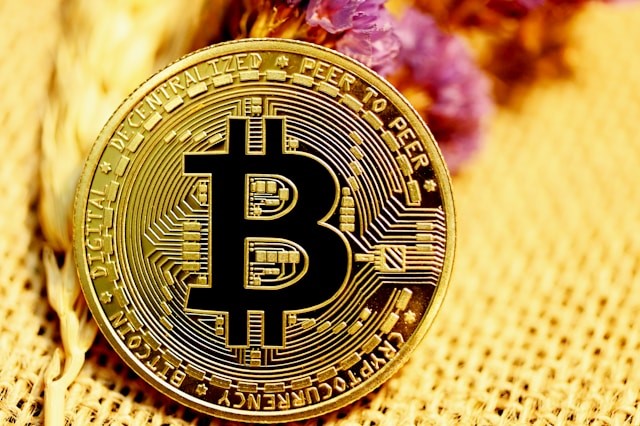
Bitcoin, the so-called digital gold, operates on a tightly controlled, unchanged supply of 21 million coins that establishes scarcity and has a profound effect on its price dynamics. A significant portion of that supply isn’t readily available for trading or selling, which means it’s “illiquid”. Investors retain BTC for extended periods, such as years or even decades, in anticipation of long-term price appreciation.
Millions of coins are lost due to inaccessible private keys – without them, it’s impossible to access the funds. Lost Bitcoin decreases the total supply, contributing to its scarcity as fewer tokens are available for trading and investment. If these dormant coins come back to life, liquidity increases, and the price of cryptocurrency falls. The more units there are, the less valuable each individual unit is.
According to the data from Glassnode, one of the leading on-chain analytics platforms, illiquid entities now own 14 million BTC, more than ever before. Glassnode identifies individuals, companies, or other entities that are cash poor and hold illiquid assets based on the ratio of cumulative outflows and inflows over their lifespan. In the last 30 days, Bitcoin’s illiquid supply has increased by 185,000 coins.
The previous bear market is coming to an end, but past performance suggests caution before confirming a trend shift. If new demand enters the market, even modest buying pressure can cause significant price increases because there are fewer tokens in circulation. Not only can the demand for Bitcoin drive up prices, but it can also reduce volatility by stabilizing the market.
Bitcoin Whales Have Increased Their Holdings Considerably
Bitcoin reclaimed the six-figure mark on May 8 and is now trading at around $103,000. This phenomenon reinforces Bitcoin’s value proposition as a store of value. Even if the Trump administration has abandoned some of its rhetoric on tariffs, investors still seek clarity on what the trade policy will be. Economic uncertainty could spread negative sentiment. However, the practical implications and the impact on BTC remain uncertain.
Whales have resumed accumulation for the first time since August 2024, which indicates growing optimism. The purchases of high net-worth individuals or entities suggest a belief in Bitcoin’s future value, nurturing positive price moves and drawing in future investment. This can pave the way for a more robust trading environment. The total balance of BTC held by whales has increased during the recent price rebound. It seems that only retail investors suffer from loss aversion.
As Cointelegraph highlights, corporate treasuries like Michael Saylor’s Strategy stand together with exchange-traded funds (ETFs) to make Bitcoin a mainstream investment option. Years ago, companies that invested in BTC may have been viewed as taking undue risk. Right now, Bitcoin adoption is important for corporations as a risk mitigation strategy, so reserves are growing.
Crypto Exchanges Operate On A Relatively Small Portion Of Bitcoin
It can be difficult, if not impossible, to execute trades at desired prices when there’s insufficient liquidity. Bitcoin exchange reserves have reached an all-time low because a growing number of BTC holders move their tokens into hardware wallets or other forms of cold storage to keep their funds safe. These crypto assets serve as a hedge against inflation. When liquidity is meagre, the crypto market is more susceptible to manipulation because smaller trades can influence prices more than larger ones.
Much of Bitcoin’s circulating supply is becoming illiquid, meaning there’s less available for immediate trading. Over 170,000 BTC have been withdrawn from exchanges since the 2024 U.S. Presidential election, so Bitcoin’s performance is best appreciated as a long-term investment. The cryptocurrency becomes more valuable over time rather than less. It’s unlikely it will be replaced by stablecoins or altcoins, whether Ethereum or Dogecoin.
The trend of reduced exchange supply could be a positive sign. A specific segment within the broader cryptocurrency ecosystem feels confident in the long-term prospects of Bitcoin, and to underscore the point, they remove their holdings from easily accessible trading platforms. However, it could also mean the market is sensitive to changes in BTC holding behavior. These token holders control a large share of the supply, so their decisions can influence price movements, and it’s useful to track how their balances change over time.
Experts Predict A Potential Rise In Bitcoin’s Value By The End Of The Year
Pseudoanonymous on-chain analyst Darkfost believes the significant recovery we’ve seen over the past few weeks could be misleading. More exactly, it’s triggered by special conditions. In reaching an agreement, the U.S. and China will each lower tariffs by 115% while retaining an additional 10% tariff for a 90-day period, which eased concerns. Bitcoin could cross $110,000 as early as next week. In the meantime, the Federal Reserve decided to keep its benchmark interest rate unchanged.
The Fear & Greed Index is equally important. It rose to 70, which illustrates investors are becoming more optimistic and possibly greedy. They’re more eager to take risks. Still, levels of greed aren’t a perfectly accurate or reliable predictor of future market movements. Extreme greed can precede price corrections or market bottoms, so this indicator must be used in conjunction with other forms of analysis.
According to some analysts, Bitcoin could peak at $180,000 or $190,000 in 2025, driven by institutional adoption, government accumulation, and pro-crypto policy shifts. BTC could reach new all-time highs, but the outcome depends on a complex interplay of factors and unforeseen events, so any predictions should be approached with caution. More importantly, investment decisions should be based on in-depth research and risk assessment.
Concluding Remarks
The illiquid supply of Bitcoin, which now stands at 14 million, points towards a potential upward price movement. Investor sentiment is bullish, which means they’re typically optimistic about market conditions and believe BTC is the best asset for long-term investing. The trend of illiquid supply exceeding new token issuance has been observed since the third Bitcoin halving. You should remain vigilant, monitoring market data as you strategize your next moves.
Remember that every investment and trading move involves risk. Not even professional forecasts can give you a 100 percent guarantee of profitability, so have a sound risk management strategy to ensure minimal losses.