
How much of your portfolio should be dedicated to Bitcoin?
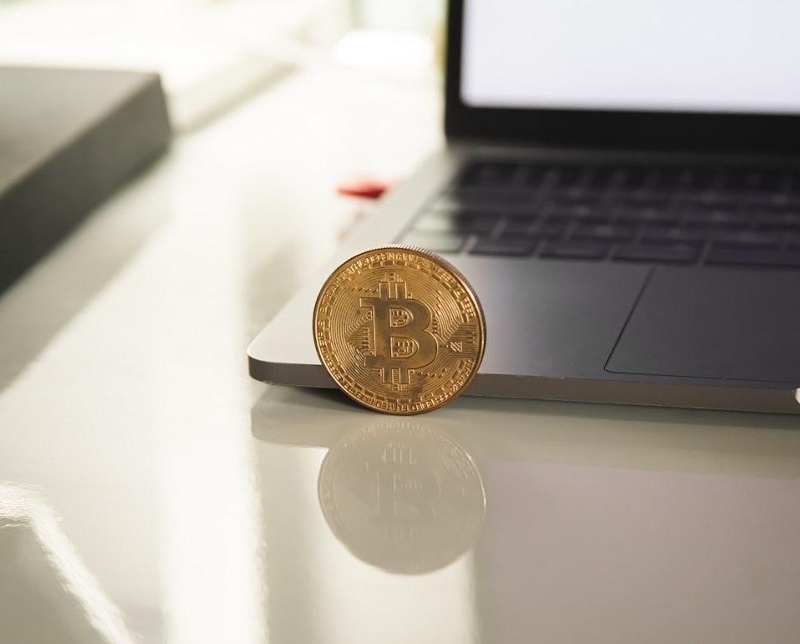
After numerous postponements from the SEC and years of waiting to see ETFs on the market finally, the latest milestone in Bitcoin’s history is finally being felt in full effect. ETF submissions from investment firms like VanEck or Grayscale have finally been approved and enabled the tabling parties to diversify the world of Bitcoin-infused products available for interested customers. Bitcoin prices have increased by more than 50% by the beginning of the year, and the inflows into the ETFs are coinciding with most of those gains. Net flows into the new ETPs have surpassed $7.9 and the trend is only exhibiting an upward trajectory moving course.
Large corporate Bitcoin owners such as Micro Strategy or Hut 8 have poured terrific amounts of capital into Bitcoin and fueled the price spike registered as of late. However, a more minor but yet significant category of investors has started to form lately, namely those who are just now learning how to buy Bitcoin.
Logically, everyone wants a share of the first-rate pie, but only some aspiring wealth makers are leaping. Yet, those unfamiliar with non-traditional financial products may quickly find themselves overwhelmed in a realm unknown to them. If you’re one of the rookies who seek to accommodate Bitcoin into their portfolio for the first time, knowing how much of your portfolio should be allocated to the primary crypto is essential, so let’s find out!
What are you trying to achieve?
As usual, the primary concern before pouring money into a traditional or non-traditional asset to integrate it into an investment portfolio is coming to terms with your expectations from it. There are numerous investment vehicles available on the market, such as stocks, bonds, gold, and so on. When it comes to crypto, you have multiple alternatives, with Bitcoin-related ones being split between ETFs or exchange-offered products, placing complete control in your hands, among others. So, what makes Bitcoin so enticing?
It’s important to determine whether you’re being drawn to it due to the hype built around the arrival of ETFs, the agitation leading up to the quadrennial halving, or simply because you’ve seen investors driving profits lately. All the headlines depict Bitcoin in a positive light. So maybe the wild optimism surrounding it and the beans of hope inflicted on investors have convinced you that this is an unmissable opportunity to make some bucks or protect your money from inflation.
If the controversial phenomenon of the fear of missing out (FOMO) has seized you, you may want to reassess your intentions to ensure you’re not making biased decisions. On the other hand, assuming you have the knowledge needed and are comfortable with losses, then you’re safe to accumulate some fractions of Bitcoin.
Don’t fear going modest on your first investment
Listed at a price swirling around $70K at the moment of writing and potentially exceeding it by the time you check it online. It’s safe to say that the capital necessitated getting a whole Bitcoin would cost you an arm and a leg. Luckily, you’re not even advised or encouraged to go this big the first few times you send orders for it but invest just enough so that you’re not left bankrupt if the scenario doesn’t turn in your favor.
Some may judge that a few bucks spent on Bitcoins are counterproductive or in vain when in reality, it’s the small investments that help inexperienced and unconfident traders gradually acquire valuable expertise. You can start as low as $5 to progress through the safe stages soundly before becoming more confident in your trading skills; it only takes registering on a top-rated crypto exchange website and following the instructions.
Many such platforms have inferior purchase limits of $10 or less, allowing you to deposit the determined amount on your trading account through several channels, such as e-wallets, credit or debit cards, or bank transfers. Usually, you’ll need to be at least 18 years on to use the bigger part of U.S.-based cryptocurrency exchanges. Still, this condition generally applies to any investment platform, be it specialized in new or traditional investments.
Choose your trading strategy
If you’ve been so bewildered to hear about endless ways of building a crypto portfolio and trading the assets that you’ve considered this practice somewhat chaotic, learn that there are boundless ways to do this strategically. Many investors try to diminish the risks inherent to the market’s volatility through the dollar-cost averaging method, or simply, DCA.
On the other hand, another popular strategy to achieve a similar result is the HoDL method. This method implies that you’ll leave your Bitcoins untouched for a long time without falling victim to any FOMO, FUD, or other crypto-mania phenomena. It is recommended for investors ranging from beginners to those holding long-term perspectives or looking to shield their money in the future.
Some trade Bitcoin in and out of the market, whereas a healthy portion opts for modern portfolio theory. The latter may sound attractive to you, given that it insinuates novelty and currentness, yet this concept has lived with us for ages. It’s been developed initially for traditional markets, but it doesn’t mean it makes an inefficient feat for the crypto one, either. It’s essential to hold a good grasp of your preferred trading method, whether you opt to learn from investing books or from successful crypto investors.
Shouldn’t the modern theory be the best fit for new investors?
The modern portfolio theory in crypto draws rookies in like a magnet, but mainly, it’s used by several types of investors, such as the following:
Investors who prioritize portfolios with top risk-to-reward ratios that bring a comfortable risk level exposure
Risk-averse investors seeking to develop diversified portfolios that run as few risks as possible
Those who want to build a diversified portfolio that involves assets like stocks or ETFs
Investors who focus on reducing downside risks.
Keep tabs on volatility
The well-known instability in Bitcoin’s prices can be ideal for seasoned, quick-on-the-uptake investors prepared to act swiftly, or for those having a profound understanding of the market’s principles. However, the whole game can turn into a minefield for newbies who lack high-powered algorithms to perfect such trades or sufficient necessary skills.
To ensure volatility doesn’t crash your investment and that you don’t buy high to sell cheap, you’ll have to closely monitor the market.
Bottom line
Bitcoin’s prices, similar to any other crypto, are as volatile as they can be, rising and falling quickly and without notice. Make sure you’re comfortable with the amount you’re injecting into your first crypto investment, and never bet more than you’d be safe to lose in case the market surprises you unpleasantly.