
The Process Behind Creating Stunning 3D Interior Renderings
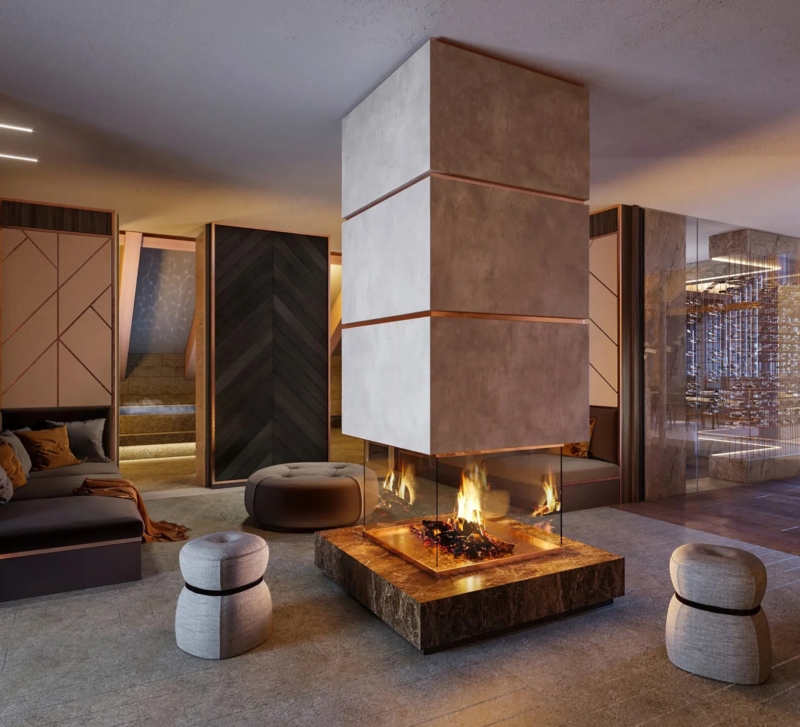
Behind every breathtaking interior visualization lies a complex and artful process that marries creativity with cutting-edge technology. The journey from concept to photorealistic image is a blend of careful planning, skilled craftsmanship, and relentless attention to detail. This article explores each stage of the process, revealing how raw ideas are transformed into stunning digital renderings.
Stage 1: Conceptualization and Ideation
Every great project starts with an idea. In the initial stage, designers gather inspiration, sketch out rough layouts, and create mood boards that capture the intended style, ambiance, and functionality of the space. This phase is all about dreaming big and establishing a creative direction. Brainstorming sessions, client meetings, and in-depth research converge to form a solid conceptual foundation.
During this phase, it is crucial to define the key elements—color schemes, material preferences, lighting scenarios, and spatial arrangements—that will guide the subsequent steps. A clear and well-documented concept not only streamlines the process but also sets the stage for a more accurate digital translation.
Stage 2: 3D Modeling and Layout
With a solid concept in place, designers move on to creating a digital 3D model of the space. Using advanced modeling software, every measurement and spatial relationship is carefully inputted to ensure precision. This phase is akin to building a digital skeleton that outlines the basic structure of the room.
The modeling process involves constructing walls, floors, ceilings, and other architectural features. Special attention is paid to dimensions and proportions, as these form the backbone of the rendering. The model is built layer by layer, ensuring that every detail, no matter how small, is accurately represented.
Stage 3: Texturing and Material Application
Once the model is complete, the next step is to breathe life into it by applying textures and materials. This stage transforms the bare digital structure into a vibrant, realistic scene. Designers select textures that mimic real-world surfaces—whether it’s the grain of wood, the sheen of metal, or the softness of fabric.
Lighting plays a pivotal role at this point. Simulated lighting conditions, from natural sunlight to artificial indoor fixtures, are meticulously adjusted to enhance the realism of the textures. The interplay of light and shadow adds depth and dimension, making the rendering come alive.
Stage 4: Rendering and Fine-Tuning
The next phase is where the magic truly happens: the rendering process. Powerful computers process the 3D model, textures, and lighting data to generate high-resolution images that are nearly indistinguishable from reality. Techniques such as ray tracing and global illumination are employed to capture intricate details, reflections, and subtle light variations.
After the initial render, designers engage in a rigorous fine-tuning process. This includes adjusting color balance, contrast, and sharpness to ensure that every element aligns perfectly with the envisioned design. Iterative revisions help to polish the image until it reaches a level of perfection that satisfies both the creative team and the client.
Stage 5: Post-Processing and Final Touches
In the final stage, post-processing techniques are applied to enhance the visual impact of the rendering. Software tools are used to correct minor imperfections, enhance details, and sometimes even add artistic effects. This step is where the render is transformed into a final masterpiece.
Every decision—from subtle color corrections to adjusting the intensity of shadows—is made with the goal of delivering an image that not only meets technical standards but also resonates emotionally with viewers. The final product is a harmonious blend of art and science.
Collaborative Feedback and Iterative Improvements
Throughout the process, collaboration between the design team and the client is essential. Regular review sessions allow for feedback and iterative improvements. This ongoing dialogue ensures that any necessary adjustments are made promptly, keeping the project aligned with the client’s vision.
Effective communication helps to catch potential issues early and guarantees that the final rendering is not only accurate but also inspiring. The iterative nature of the process means that every round of revisions brings the project one step closer to perfection.
Conclusion
The journey from a simple sketch to a stunning 3D visualization is a testament to the power of modern design and technology. Each stage—conceptualization, modeling, texturing, rendering, and post-processing—plays a crucial role in transforming abstract ideas into immersive, photorealistic images.
For those seeking a benchmark in quality and innovation, exploring the expertise of a top-tier provider of 3d interior renderings can be the key to unlocking the full potential of your creative vision.
Embrace the meticulous process, trust in the technology, and witness how every pixel is crafted with passion and precision. The result is not just a rendered image—it’s a vibrant, detailed window into the future of interior design.