
Clean Lines in the Bedroom: Why Platform Beds Work With Queen Memory Foam

A well-designed bedroom often feels effortless. The furniture has room to breathe, the colors work together, and every item seems to belong where it has been placed. Achieving this effect does not always require expensive furniture or elaborate decoration. Sometimes, the difference comes from choosing a bed with a simple silhouette, pairing it with the right mattress, and allowing the rest of the room to follow the same visual direction.
Platform beds fit naturally into this approach because their streamlined construction can reduce visual clutter while providing a practical foundation for modern bedroom design. When paired with a queen memory foam mattress, they can create a sleeping area that feels balanced, comfortable, and easy to style. The key is to consider more than appearance: mattress support, bed height, room dimensions, and everyday movement all contribute to how successfully the arrangement works.
Why Platform Beds Suit Clean, Modern Interiors
Platform beds are often recognized by their relatively simple structure and low-profile appearance. Unlike traditional bed setups that require a separate box spring, many platform designs use a slatted or solid support surface intended to hold the mattress directly. This construction can create a more unified look, with fewer visible layers beneath the sleeping surface.
A platform bed frame can also work with several interior styles, from Scandinavian-inspired rooms to contemporary apartments and relaxed minimalist spaces. Straight edges and restrained details make it easier to combine the bed with different materials, including natural wood, metal, linen, and upholstered furniture. Rather than dominating the room with decorative features, the frame provides a clear foundation for the overall design.
How Proportion Influences the Bedroom Layout
A clean design depends partly on the relationship between furniture and available space. Even a beautifully made bed can make a bedroom feel crowded if its frame is too wide, its headboard is oversized, or the surrounding furniture leaves little room to move. Measuring the complete frame, rather than the mattress alone, helps establish how much floor space the bed will occupy.
A queen mattress generally measures 60 inches wide and 80 inches long. The frame may extend beyond these dimensions, depending on the design of its headboard, side rails, and base. Before selecting one, measure the bedroom and mark the bed’s footprint on a floor plan. Include bedside tables, wardrobes, and the space needed to open drawers or doors.
Proportion also involves visual weight. A low frame with exposed legs can leave more of the floor visible, making the room appear more open. A solid base or thick headboard may create a stronger focal point, which can work well in a larger bedroom. The best choice depends on the architecture and the amount of furniture the room needs to accommodate.
The Role of Memory Foam in a Streamlined Bed Setup
The mattress is just as important as the frame because it determines the feel and height of the finished bed. Memory foam responds to body weight and warmth, contouring around pressure points to create a more closely fitted sleeping surface. Depending on its construction, it may help distribute pressure across areas such as the shoulders and hips while reducing the transfer of movement between people sharing a bed.
A queen memory foam mattress can be a practical option for couples or individuals who want a generous sleeping surface without moving to a larger king-size bed. The queen dimensions provide room to change positions while remaining suitable for many standard bedrooms. However, comfort depends on the mattress’s firmness, thickness, support layers, and the sleeper’s preferred position.
The relationship between the mattress and frame deserves careful attention. The support surface should be compatible with the mattress manufacturer’s requirements, including any guidance about slat spacing or center support. A mattress that is not adequately supported may not perform as intended, regardless of how attractive the bed looks. Checking these details before buying helps protect both comfort and the finished appearance.
A Cooling Mattress Can Add Another Layer of Comfort
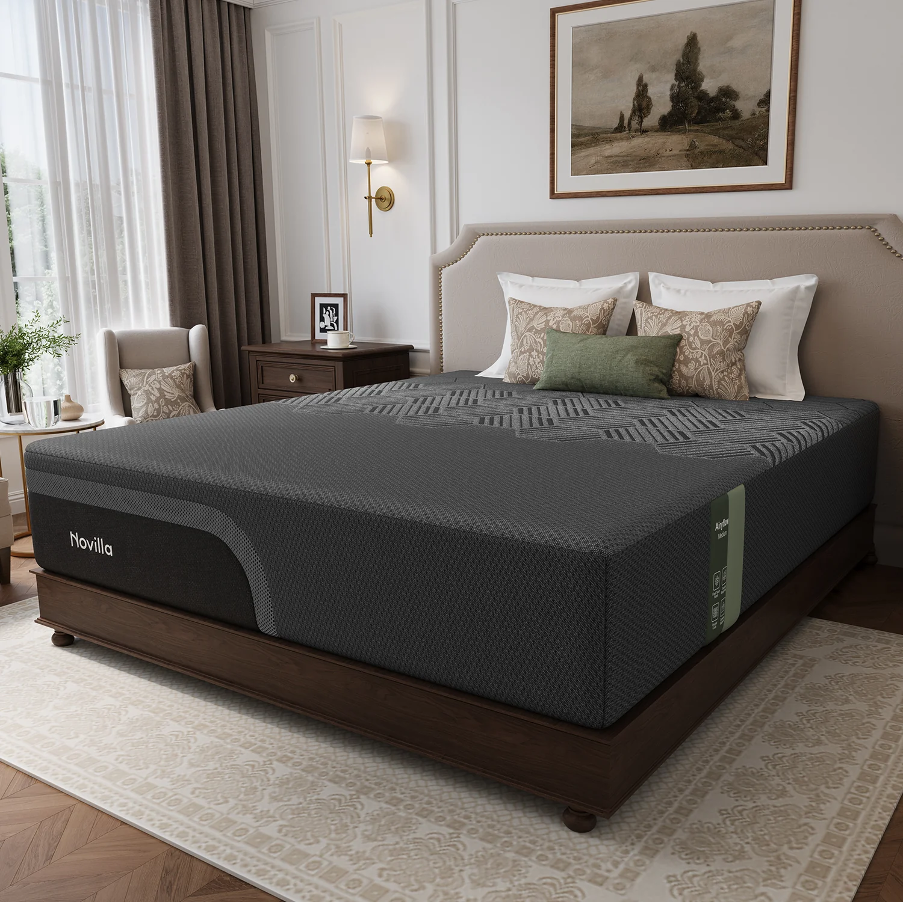
A streamlined bedroom should feel comfortable as well as look organized. For people who tend to sleep warm, mattress construction and bedding choices can influence the temperature of the sleeping surface. Foam density, the mattress cover, airflow around the bed, and the weight of blankets all contribute to the overall experience.
The Novilla AiryFlow Graphene Memory Foam Mattress combines a graphene-infused cover, NanoGEL cooling memory foam, a three-zone support layer, and a breathable mesh fabric designed to encourage airflow. Its zoned construction is intended to provide different levels of support across the mattress, while the cooling-focused materials aim to help manage heat. It is available in queen size, with thickness options that can be considered alongside the bed frame’s dimensions.
These features may suit shoppers looking for contouring comfort with additional temperature-management features, although individual experiences can vary. Lightweight bedding, appropriate room ventilation, and a comfortable thermostat setting can also make a difference. A cooling-oriented mattress is one part of the sleep environment, not a substitute for considering the room as a whole.
Keep the Headboard and Surrounding Furniture Simple
Platform beds provide a useful starting point for a coordinated bedroom because their shape can work with a wide range of headboard designs. A wooden headboard adds natural texture, while an upholstered version softens the room’s harder surfaces. A simple metal design may suit an industrial interior, particularly when paired with restrained lighting and uncomplicated furniture.
The surrounding furniture should support the bed rather than compete with it. Narrow nightstands can preserve walking space, and wall-mounted reading lights may reduce the need for large bedside lamps. If the bed already has a distinctive headboard, keeping nearby wall art understated can help maintain a clear focal point.
Use Color and Texture to Avoid a Flat Appearance
Minimalist design does not mean that every surface must be plain or that the bedroom should lack personality. A room built around clean lines can still feel layered through differences in texture, finish, and color. Natural wood, cotton bedding, woven rugs, and soft curtains introduce variation without making the arrangement look busy.
Color can help connect these materials. Warm white, beige, muted green, and soft gray often work well with natural wood, while darker accents can add contrast to a lighter room. The most effective palette depends on the amount of daylight, the floor finish, and the color of the bed frame. Testing fabric samples in the room can help reveal how they look under both natural and artificial lighting.
Avoid introducing too many competing patterns at once. If the bed frame has strong lines or visible grain, simpler bedding can let those details stand out. A more restrained frame, by contrast, can support a patterned throw or a larger piece of artwork. The objective is to create visual interest without losing the sense of order that makes clean-lined interiors appealing.
Lighting Makes the Shape of the Bed More Noticeable
Lighting can emphasize the bed’s silhouette and influence how spacious the bedroom feels. A central ceiling fixture provides general illumination, but bedside lamps or wall-mounted reading lights offer more flexibility during the evening. Warm-toned lighting can make wood finishes feel richer and soften the appearance of metal or upholstered frames.
The placement of lighting should reflect the room’s layout. Bedside fixtures need to be easy to reach, while overhead lights should illuminate the room without producing uncomfortable glare. If the platform bed sits close to a wall, a wall-mounted fixture may be a practical alternative to a lamp that takes up valuable nightstand space.
Natural light is equally valuable. Keeping window treatments relatively simple and avoiding unnecessary furniture in front of windows can help the room feel open during the day. When artificial and natural lighting are considered together, the bed becomes a clear focal point without making the surrounding space feel heavy.
A Practical Foundation for a More Considered Bedroom
Platform beds and queen memory foam mattresses can complement each other because they combine a straightforward furniture profile with a comfortable, supportive sleeping surface. Their success, however, depends on choosing compatible dimensions, checking the frame’s support requirements, and leaving enough space for movement around the bed.
Start with measurements, then consider the frame’s height, headboard design, and finish. Select a mattress that suits personal comfort preferences, and complete the arrangement with restrained furniture, thoughtful lighting, and a balanced mix of textures. These decisions allow the bed to anchor the room without overwhelming it.
Clean bedroom design is ultimately about making deliberate choices. When furniture proportions, mattress comfort, and everyday function work together, the result can feel both modern and welcoming—a space where simplicity supports comfort rather than sacrificing it.