
Building a Safer, Greener Future With AI and IoT in Industry
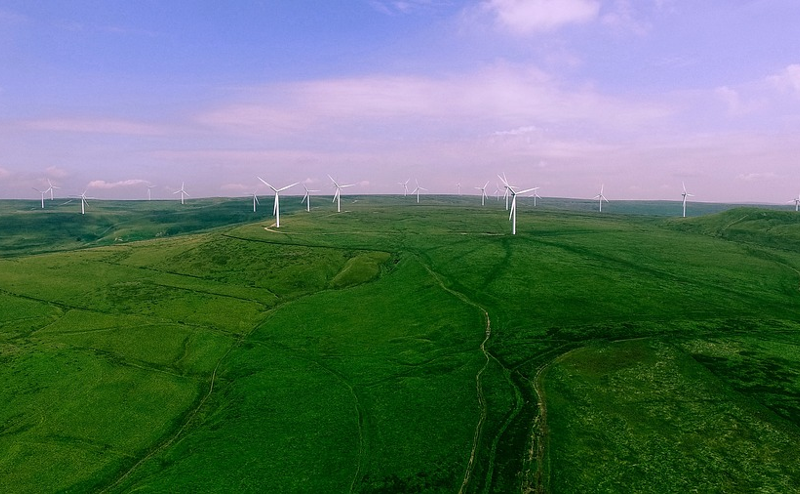
Technology energizes our future by offering bold, innovative solutions to complex problems. In manufacturing and construction, artificial intelligence (AI), the Internet of Things (IoT), and big data work together to boost efficiency, reduce costs, and enhance safety. Industries are embracing these advanced tools to build sustainable operations that meet today’s demands while protecting tomorrow. This surge in progress brings hope, ingenuity, and a deep commitment to a cleaner, safer world.
Introduction To AI and IoT in Manufacturing and Construction
AI enables computers to perform tasks that once required human expertise. The IoT connects devices through sensors and software, allowing them to share information instantly. Together, these technologies revolutionize manufacturing and construction by automating complex tasks, improving quality control, and streamlining processes.
Industries now face rising energy costs, strict environmental regulations, and an urgent need for safer workplaces. Businesses strive to lower expenses and boost productivity while reducing their environmental impact. By using AI and IoT, companies monitor equipment performance, optimize supply chains, and predict maintenance needs before problems occur. This proactive approach keeps operations running smoothly and safely, helping companies stay competitive globally.
How Data-Driven Trends Benefit Industrial Practices
Data science and AI analysis now form the backbone of modern industry. Smart sensors with predictive analytics scan factory floors and construction sites, turning streams of raw information into actionable insights. Advanced algorithms detect inefficiencies that traditional methods miss, allowing engineers to adjust operations in real time. Such timely interventions reduce costly downtime and prevent equipment failures.
Every sensor reading matters. Continuous data collection reveals subtle changes that enable teams to fine-tune processes, save energy, and lower emissions. Real-time data processing cuts costs and supports sustainable practices. Countries are meeting climate action goals while strengthening business operations.
Driving Sustainability Through Technology
Sustainability has become a core objective in modern industry. IoT devices monitor energy use throughout facilities, gathering data that helps companies reduce waste and optimize consumption. In manufacturing plants, these sensors track electricity use in real time, highlighting areas where energy flows inefficiently and suggesting adjustments to lower carbon footprints.
AI streamlines supply chains by analyzing data from diverse sources. AI algorithms determine the most efficient routes for transporting materials and products. This optimization reduces fuel consumption, lowers greenhouse gas emissions, and improves productivity. Smart monitoring systems adjust material usage to meet strict sustainability standards while cutting operating costs, driving the future of construction in an uncertain climate.
Agricultural processing shows what this looks like at scale. In UK bulk grain handling — an industry that’s been quietly integrating sensor tech for decades — an experienced manufacturer with 70+ years in the sector might now equip its conveyors, elevators, and silos with moisture sensors and IoT-enabled drying controls, letting operators adjust airflow, batch timing, and energy use in real time.
Innovation in waste management further enhances sustainability. New recycling technologies sort materials with unmatched precision, turning discarded items into valuable resources. These advances support a circular economy in which nothing goes to waste, and every material finds a new purpose.
On construction and renovation sites, efficient waste removal is a practical first step toward these sustainability goals. Companies like Trash Daddy Dumpsters serving Colorado Springs provide the on-demand roll-off dumpster solutions that keep job sites clean, compliant, and positioned to sort and recycle materials effectively — bridging the gap between smart technology goals and responsible day-to-day waste management.
Ensuring Worker Safety and Accessibility With Tech Innovations
Workplace safety remains a top priority in manufacturing and construction. Advanced AI systems analyze real-time data to predict hazards before they occur. These platforms monitor equipment performance and environmental conditions, promptly alerting supervisors to potential issues. Quick interventions prevent accidents and minimize disruptions, ensuring workers remain safe and operations run smoothly.
Enhancing Health and Accessibility
Modern wearable devices and IoT sensors monitor employee health with impressive accuracy. These tools track vital signs and environmental factors, alerting managers to emerging risks. In environments with physical strain and exposure to hazardous substances, such real-time monitoring proves indispensable. Advanced technologies improve hazardous waste management, protecting both workers and limiting company liability.
Innovations also improve accessibility for all workers. Automation tools support tasks that once posed significant challenges, easing physical demands and reducing injury risks. Meanwhile, 3D printing can leverage advanced materials like plastics and composites to create immensely durable and strong structures conveniently.
In construction, smart protective gear and assisted lifting equipment enhance safety and productivity. These advancements create safe, more inclusive workplaces where every team member contributes effectively.
A Future Fueled by Passion and Ingenuity
Innovation drives every sector forward. Every new sensor installed, line of code written, and automated process refined pushes society closer to a future defined by sustainability, safety, and efficiency. Creative energy transforms obstacles into opportunities, inspiring companies to break old habits and embrace more innovative ways of working.
This continuous progress motivates industries to improve resource management, boost safety protocols, and implement sustainable practices. Each technological breakthrough marks a significant step toward a future where every challenge meets an inventive solution.
Inspiring the Next Generation
Today’s innovations lay the foundation for tomorrow’s breakthroughs. Educational initiatives and mentorship programs expose young adults to cutting-edge technology and inspire them to explore new ideas. When students witness practical applications of renewable energy, smart monitoring, and proactive safety measures, they see a world full of possibilities. These experiences spark curiosity and drive the next generation to pursue careers in technology, engineering, and sustainability.
Innovation unites communities across borders. Multiple industries collaborate with international partners to share ideas, technologies, and best practices. Global partnerships amplify the impact of smart systems and sustainable practices, spreading benefits to urban centers and rural communities alike. This interconnected network of progress builds bridges across cultures, fostering a worldwide movement toward efficiency, responsibility, and inclusivity.
Pioneering Bold Solutions
Forward-thinking leaders dare to challenge conventional wisdom. They test new theories, refine unconventional approaches, and deliver breakthroughs that redefine industries. Every risk taken leads to creative solutions that address even the toughest problems. This bold approach transforms obstacles into opportunities, paving the way for innovations that improve lives and invigorate communities.
The innovations of today create a legacy that will shape the future. Companies can set inspiring examples by building resilient, eco-friendly operations and using green facilities that protect the environment and enhance worker safety. Each breakthrough adds to a foundation of progress that future generations will build upon. These achievements boost business performance and contribute to a healthier, more sustainable world.
Conclusion: A Tech-Powered Future for Sustainable Industries
Advanced technologies such as AI and the IoT transform manufacturing and construction into efficient, safe, and eco-friendly sectors. Companies that embrace these innovations enjoy improved productivity, lower costs, and stronger worker protection while making a positive environmental impact. Real-time data, predictive analytics, and automation build a robust foundation for long-term growth and responsible business practices.
The spirit of innovation inspires industries to reimagine traditional processes and build a future where sustainability and safety go hand in hand. Embrace the power of smart systems and renewable energy, and join the movement that transforms challenges into opportunities.