
Why Top Brands Choose AI Voice Labs
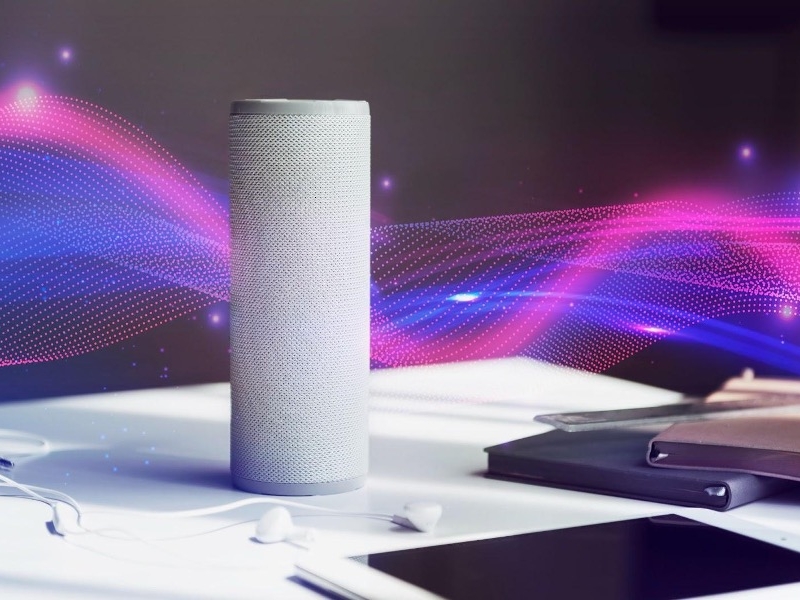
In today’s fast-changing world, brands are realizing that their sound matters just as much as their look. To leave a lasting impression, many are turning to voice labs — teams that help companies craft a voice that fits their values and stands out in a crowded market. This shift is driven by a deeper understanding that sound isn’t just decoration — it’s communication. And in an era where attention spans are short and competition is fierce, having a memorable, trustworthy voice is a strategic advantage.
What Is a Voice Lab?
A voice lab is like a creative studio focused on sound. Instead of choosing a generic voice from a list, brands work with experts to develop one that matches their character — warm, energetic, calm, or bold. This voice is then used across content: from product explainers to customer support. A good voice lab doesn’t just help you record — it helps you shape and maintain a signature sound over time.
These labs often include tools for testing and refining tone, pacing, and pronunciation, and can even offer localization support for different regions or languages. The result is a brand asset that delivers both emotional connection and professional polish.
It’s a way to sound more like yourself — natural, familiar, and easy to connect with.
The Strategic Value for Brands
How your brand sounds can shape how people feel about you. Whether you’re trying to comfort, energize, or inspire, your voice plays a role in shaping perception.
Familiarity Across Touchpoints
Hearing the same voice on a website, video, or phone call builds comfort. People feel more confident when they recognize the tone. This consistency sends a message that the brand knows who it is — and it helps customers feel like they know you too.
Personal, Yet Scalable
Voice systems let companies speak to many different audiences while staying true to their unique style. Whether it’s a local campaign or a global rollout, the core sound remains aligned with the brand’s core identity.
Voice with Character
Your voice should say something about you — without words. A well-made voice can reflect warmth, trust, energy, or precision. It acts as a kind of auditory logo — something that becomes instantly recognizable in every interaction.
Emotional Engagement
Sound evokes emotion faster than visuals. A human-sounding voice can generate empathy and build trust in seconds. This is especially powerful in customer service, wellness apps, or emotional storytelling.
Real Business Use Cases
Brands are finding fresh ways to apply their custom voices. These aren’t just nice-to-have additions — they’re core parts of customer experience and operations.
Media and Publishing
Content teams use their voice across languages and platforms to keep a consistent tone. For audiobook publishers, this means creating multilingual versions that stay true to the original message. For news outlets, a distinctive voice adds authority and clarity to updates.
Promotions and Campaigns
Marketing messages feel stronger when they sound familiar. The right voice supports brand recall. Voice is now embedded in everything from product launches to interactive video ads and social reels.
Customer Support
Pre-recorded or live voice systems sound more helpful and human when they share the same tone as the rest of the brand. Whether it’s a voice bot answering questions or a digital receptionist greeting callers, tone matters.
Training and Company Updates
Internal materials feel more connected to the company’s culture when delivered in its own voice. A recognizable voice can make compliance videos or onboarding sessions feel more personal and less robotic.
Digital Products
Apps, virtual assistants, and interactive platforms are incorporating voice as a primary interface. When these voices are branded, users experience a more cohesive interaction — one that blends usability with personality.
Why Brands Are Adopting Voice Labs
Sound That’s Yours
Working with a voice lab means building something original — not using the same voice everyone else has. It’s not just about being different; it’s about being authentic. This voice becomes an extension of your brand and can even evolve with your business.
Speed Without Sacrificing Quality
Once created, your voice can be used across projects quickly, staying consistent without extra effort. You avoid delays in production and reduce dependency on multiple voice talents.
Better Recognition
In a noisy market, a familiar sound can help your brand stand out and be remembered. This is especially true when your audience interacts with your voice across formats — phone, video, smart speaker, or streaming platforms.
Flexibility and Control
Need to update product descriptions, publish a podcast, or launch a new campaign on short notice? Your brand voice is ready to go. No need to re-record or renegotiate rights.
Features That Matter
Tailored to Fit
The voice matches your brand’s tone — whether soft, confident, witty, or clear-cut. You control every detail, from pronunciation to pacing, and can test how it sounds in different scenarios.
Ready to Grow
It’s easy to adapt one voice across different markets while keeping the core sound intact. Many voice labs offer multilingual and culturally aware options that make global scaling smoother.
Used the Right Way
Reliable teams help ensure your voice is used properly, with respect for licensing and messaging rules. They help manage voice rights, protect from misuse, and support ethical practices.
Human in Tone
Though synthetic voices can be technically created, the goal is to ensure they sound natural and respectful. A well-designed brand voice should never feel robotic or cold — it should feel like an extension of your team.
Conclusion
How your brand sounds is a big part of how people experience it. Whether someone’s watching your video, calling your help line, or listening to your product demo, they’re forming an opinion based on tone as much as words.
A consistent, genuine voice builds trust and helps people feel more connected. That’s why more companies are using voice labs — not just to sound good, but to sound like themselves.
If your brand had a voice, what would it say? More importantly — how would it say it?
And when it speaks, will your audience know it’s you?