
Beyond the Chatbot: How AI Chat Interfaces Are Replacing Internal Wikis
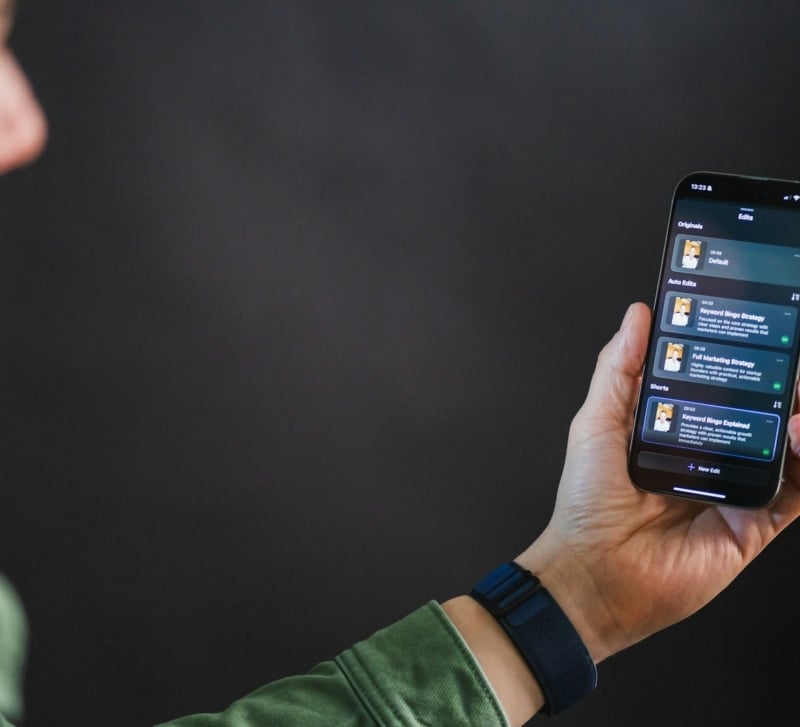
For years, internal wikis have been the backbone of organizational knowledge. Companies relied on static documentation systems like Notion pages, Confluence spaces, and shared drives to store information. But these systems are increasingly becoming outdated in a fast-moving, AI-driven workplace.
A new shift is happening, AI chat interfaces are replacing traditional knowledge bases by turning static information into interactive, conversational intelligence.
Instead of searching through pages of documentation, employees can now simply chat with AI to instantly retrieve answers, summaries, and actionable insights.
This transition is not just about convenience; it is fundamentally changing how organizations store, access, and use knowledge.
The Collapse of Traditional Internal Wikis
Internal wikis were built for a slower era of work. They assume:
- People know where information is stored
- Documentation is always updated
- Users will manually search and read pages
In reality, this rarely happens.
Most organizations face:
- Outdated documentation
- Poor search functionality
- Fragmented knowledge systems
- Low employee engagement with wikis
As a result, critical information often gets lost or duplicated across teams.
This inefficiency is one of the key reasons companies are shifting toward AI-driven knowledge systems, where employees can simply chat with AI instead of browsing static pages.
The Rise of Conversational Knowledge Systems
The biggest shift in modern workplaces is the move from “search-based knowledge” to “conversation-based knowledge.”
Instead of typing keywords into a wiki, employees now interact directly with intelligent systems.
This is where AI chat interfaces become powerful—they transform information retrieval into a natural conversation.
Many organizations are also integrating Text Generation with AI systems to automatically summarize documents, create knowledge entries, and generate internal guides without manual writing effort.
Chat with AI is becoming the new search bar
One of the most significant behavioral changes in workplaces today is how employees access information.
Instead of:
- Searching documentation
- Reading long pages
- Asking colleagues repeatedly
Employees now simply chat with AI and get immediate answers.
This shift eliminates friction in knowledge access and dramatically improves productivity.
In many companies, employees report saving hours per week simply by replacing internal wiki searches with conversational AI tools.
Why Internal Wikis Are Failing Modern Teams
Despite being widely used, traditional wikis suffer from structural problems:
1. Static information in a dynamic environment
Business information changes too quickly for manual updates.
2. Lack of contextual answers
Wikis provide documents, not direct solutions.
3. Low usability
Employees prefer asking questions rather than navigating folders.
4. Maintenance burden
Keeping documentation updated requires constant effort.
This is why organizations are increasingly replacing them with AI systems that allow users to chat with AI instead of maintaining static pages.
How AI Chat Interfaces Actually Work
Modern AI chat systems are not just chatbots. They are knowledge engines.
They work by:
- Indexing company data
- Structuring unstructured documents
- Understanding natural language queries
- Generating contextual responses
This enables employees to ask complex questions and receive precise answers instantly.
For example:
- “How do I onboard a new client?”
- “What is our refund policy?”
- “Summarize last quarter’s sales strategy”
Instead of reading multiple wiki pages, users simply chat with AI and get a unified response.
The Role of Text Generation with AI in Knowledge Systems
One of the core technologies powering this shift is Text Generation with AI.
This allows systems to:
- Automatically rewrite documentation
- Summarize long internal reports
- Create FAQs from raw data
- Generate onboarding materials
As a result, companies no longer need to manually maintain large knowledge bases.
Instead, AI continuously updates and improves internal documentation in real time.
From Static Wikis to Living Knowledge Systems
The biggest transformation happening today is the shift from static knowledge repositories to living systems.
Traditional wikis:
- Store information
- Require manual updates
- Are difficult to search
AI chat systems:
- Understand context
- Generate answers instantly
- Continuously learn from usage
This makes knowledge more dynamic and accessible than ever before.
Employees no longer need to guess where information is stored; they simply chat with AI to retrieve it.
Productivity Gains from AI Chat Systems
Organizations adopting AI chat interfaces report significant productivity improvements:
- Faster onboarding of new employees
- Reduced dependency on senior staff
- Faster decision-making
- Improved knowledge consistency
- Lower time spent searching for information
Even small efficiency gains compound across teams, leading to major operational improvements.
The Human + AI Knowledge Model
Despite automation, humans still play a critical role.
The most effective systems combine:
- Human expertise
- Structured documentation
- AI-powered retrieval
This hybrid model ensures accuracy while maintaining flexibility.
In this system, AI handles retrieval and summarization, while humans ensure correctness and strategic alignment.
Challenges in Replacing Internal Wikis
While the benefits are significant, there are still challenges:
1. Data quality issues
If the input data is poor, the AI output will also be unreliable.
2. Security concerns
Sensitive company data must be carefully managed.
3. Adoption resistance
Some employees prefer traditional systems.
4. Over-reliance on AI
Without oversight, AI responses can become too generalized.
These challenges must be addressed for successful implementation.
The Future of Workplace Knowledge
The future of organizational knowledge is conversational.
Instead of static pages and complex navigation, employees will:
- Ask questions naturally
- Receive instant answers
- Learn through interaction
Internal wikis will gradually fade, replaced by intelligent systems where users simply chat with AI to get what they need.
At the same time, Text Generation with AI will continue to automate documentation creation, ensuring knowledge stays updated without manual effort.
Conclusion
We are witnessing a major shift in how organizations manage knowledge. Internal wikis, once essential, are being replaced by AI-powered chat interfaces that make information more accessible, dynamic, and intelligent.
The ability to chat with AI is transforming how employees interact with company knowledge, while Text Generation with AI is eliminating the need for manual documentation upkeep.
Together, these technologies are not just improving efficiency—they are redefining how modern workplaces function at their core.