
When Corporate Events Became Less About PowerPoint and More About Play
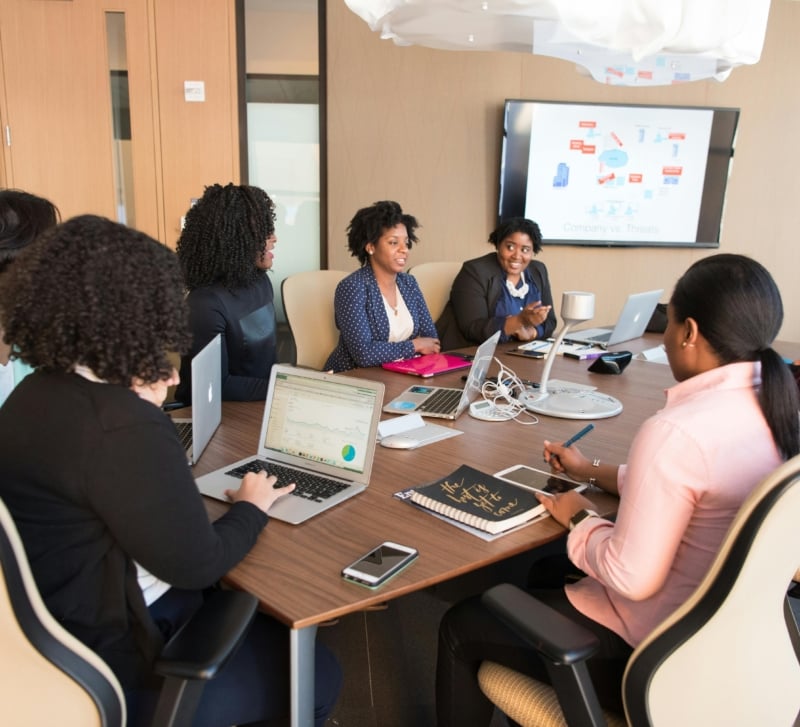
Corporate gatherings are shifting away from rigid presentations and leaning into formats designed for participation, creativity, and connection. Teams are bonding through collaborative challenges, replacing long lectures with moments of shared engagement that support communication and trust.
Interactive experiences offer more than a break from routine. Group-focused activities promote genuine conversation, spark new ideas, and encourage stronger collaboration across roles. Many organizations are discovering that structured play has a measurable impact on how employees connect, think, and work together.
Why Murder Mystery Dinner Experiences Became the Icebreaker Nobody Saw Coming
A murder mystery dinner flips the script on corporate icebreakers by placing employees in character-driven roles where interaction isn’t optional—it’s the point. Instead of awkward introductions or surface-level games, participants step into a shared narrative filled with secrets, alliances, and problem-solving. This format lowers defenses quickly, giving even the quietest team members a reason to engage. The structured storyline provides just enough direction to guide conversation, while the improvisational nature invites humor, creativity, and spontaneous teamwork.
Unlike typical social mixers that rely on small talk, a murder mystery dinner creates an environment where roles matter more than titles, and collaboration happens organically. Teams work together to uncover clues, ask sharper questions, and adapt strategies as the game unfolds—all while laughing, reacting, and learning each other’s styles in real time. The result isn’t just a fun evening—it’s a reset in team dynamics. People leave knowing more about how their coworkers think, communicate, and handle uncertainty—insights that often stick long after the game ends.
Why Experiential Learning Is the Secret to Long-Lasting Impact
Experiential learning builds practical understanding through direct engagement with challenges that resemble real work scenarios. Instead of passive listening, participants interact with realistic problems, gaining insight into communication gaps and team dynamics. Pitching a fictional product, for example, can highlight unclear roles or weak coordination under pressure.
Activities that rotate responsibilities help uncover how different functions operate and reveal untapped leadership potential. When learning happens through action, the outcome is often a deeper shift in mindset and behavior—one that extends well beyond the event and into everyday decision-making. A hands-on approach can turn abstract lessons into habits that stick.
Where Food-Focused Team Events Are Outperforming Traditional Offsites
Culinary team events offer a unique balance of creativity, structure, and collaboration. In open kitchen setups, small groups coordinate on timing, plating, and recipe execution—tasks that require clear communication and mutual awareness. Cooking becomes a shared rhythm where roles shift fluidly and feedback happens in real time. Unlike traditional offsites, kitchen-based challenges encourage interaction that feels casual yet purposeful.
Working toward a finished dish invites focus, cooperation, and a sense of accomplishment. The format creates space for spontaneous conversation, quick problem-solving, and low-stakes leadership—ingredients that help build stronger connections across departments. As participants move between stations, they naturally shift between task coordination and informal dialogue, accelerating trust and mutual understanding.
How Playful Workshops Are Redefining Professional Growth
Play-driven workshops are replacing passive sessions with hands-on problem-solving that feels more like a team sprint than a lecture. Instead of sitting through keynotes, participants rotate through quick-fire challenges—prototyping tasks, timed puzzles, or creative prompts—that spark fast thinking and collaboration. The playful format lowers pressure and makes engagement almost automatic.
These sessions are especially effective for teams in design, marketing, and product roles, where agility and communication are key. Role-switching, rapid feedback, and shifting objectives reveal leadership habits and group dynamics in real time. A well-structured workshop doesn’t just teach—it reveals, connects, and gives people a shared reference point they carry back into everyday work.
What Happens When Competitive Games Replace Traditional Team-Building Exercises
Competitive games turn passive team-building into high-energy challenges with built-in motivation. Whether it’s trivia, courtroom simulations, or strategy contests, participants engage quickly because there’s a clear objective and a shared sense of urgency. These formats bypass awkward icebreakers and create real-time collaboration that feels natural, not forced.
They also reveal how teams operate under pressure—who leads, who listens, and how decisions get made on the fly. Quick rematches or rotating roles add variety while encouraging flexibility. It’s not just about fun; it’s a format that surfaces group dynamics without anyone needing to perform, turning engagement into something people genuinely look forward to.
Work events built around shared activities are creating stronger, more connected teams. Murder mystery dinners, cooking challenges, and competitive games invite laughter, strategy, and cooperation—qualities that often go missing in standard meetings. Conversations flow more easily when tasks are hands-on and playful. Teams uncover hidden strengths and build trust through active problem-solving and creative interaction. Instead of relying on speeches or slide decks, planners are leaning into formats that make collaboration feel natural. A well-designed, engaging experience can turn an offsite into a catalyst for lasting improvement in communication, morale, and team dynamics back at work.