
3 Things to Know Before Buying Plug In Solar
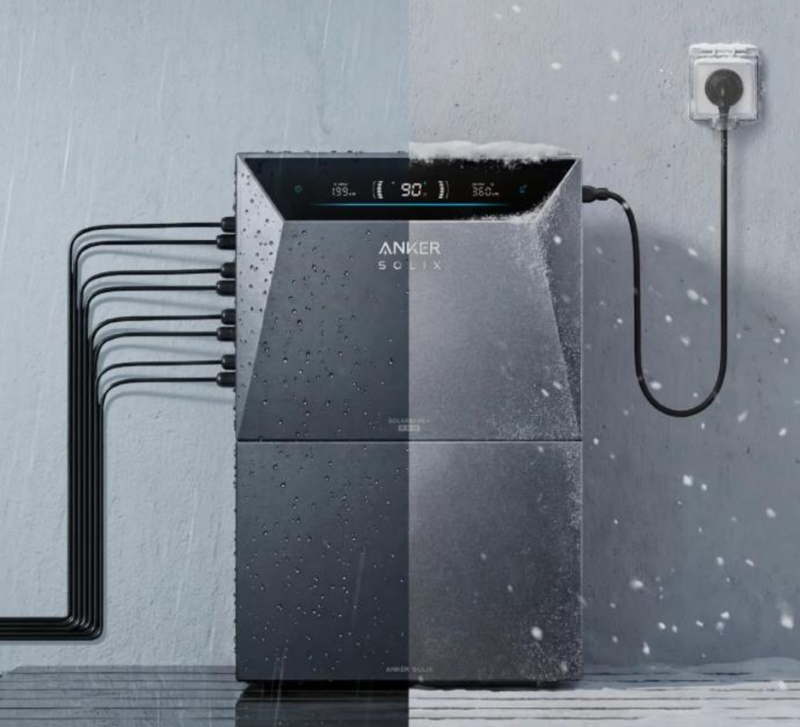
Plug in solar can be a simple way to lower daytime electricity use, but buying the wrong setup can limit savings or create avoidable safety issues. Before you choose a system, focus on three essentials: whether it meets UK rules, whether the size suits your home and routines, and whether the expected savings justify the cost. These checks matter more than marketing claims because plug in solar works best when it matches real household demand and is installed in a suitable location. A small, compliant system in the right place can deliver useful output, while an oversized or poorly positioned one may disappoint. Understanding these basics first will help you compare options confidently and choose a setup that performs well over time.
Check UK Compliance, Safety and Installation
Check the Inverter, Output and Safety Requirements
Start by confirming that any plug in solar system is suitable for UK use and built with the correct electrical protections. The inverter should meet relevant UK grid and safety requirements, and the system output must stay within limits for a standard plug in setup. Check whether the product is designed for connection through an appropriate socket arrangement and whether installation guidance is clearly provided. Look for details on overcurrent protection, shutdown features and weather resistance for any external components. A reputable supplier should explain certification, operating voltage and maximum AC output in plain terms. If those details are unclear, treat that as a warning sign and do not buy until compliance is confirmed.
Make Sure Your Installation Location Is Suitable
Location has a direct effect on both safety and performance. Choose a place with strong daylight, minimal shading and enough space to mount or position the panel securely. South-facing areas usually perform best in the UK, but east- and west-facing positions can still work if they capture useful sunlight during your main consumption periods. Avoid spots exposed to frequent obstruction from trees, fences or nearby buildings. If you plan to place equipment outdoors, check that cables, connectors and mounting points are protected from rain, standing water and accidental damage. Balconies, patios, garden walls and flat roofs may all be suitable, provided the panel is stable, safely routed and easy to inspect when needed.
Match Plug In Solar to Your Energy Needs
Choose the Right Solar Capacity and Panel Placement
The best plug in solar setup is not automatically the biggest one. Choose capacity based on the amount of electricity you can realistically use while the system is generating power. A compact system can be effective for homes with steady daytime demand from routers, fridges, laptops or standby appliances. Higher capacity may suit households with more daytime equipment running, but only if that output will be used rather than exported without benefit. Panel placement matters just as much as system size. A well-angled panel with good solar exposure can outperform a larger panel in partial shade. Prioritise usable generation, not headline wattage, and match the setup to your daily consumption pattern as closely as possible.
Match Solar Generation With Daytime Energy Use
Plug in solar delivers the most value when generation overlaps with the electricity you use during the day. Start by looking at what stays on regularly, such as refrigeration, broadband equipment, monitors, chargers or home office devices. If someone is usually at home, daytime use may already be high enough to absorb much of the output. If the property is empty for long periods, potential savings fall because less solar energy is used on site. Running flexible appliances like washing machines or dishwashers during sunnier hours can improve results. The goal is simple: use as much generated power as possible in real time. That approach turns a modest system into a more cost-effective investment.
Calculate Savings and Consider Battery Storage
Compare Upfront Cost With Real Energy Savings
Before buying plug in solar, compare the purchase price with realistic bill reduction rather than ideal projections. Estimate annual generation from the panel size, orientation and shading, then focus on how much of that electricity you will actually use at home. Savings come from replacing grid electricity you would otherwise buy, so self-consumption matters more than theoretical output. Also include any installation accessories, mounting hardware or replacement parts in the total cost. A cheaper system is not automatically better if it performs poorly or lacks clear safety documentation. Aim for a setup that offers dependable output and a sensible payback based on your actual routine. Clear calculations will help you avoid overestimating financial return from the start.
Decide Whether Battery Storage Adds More Value
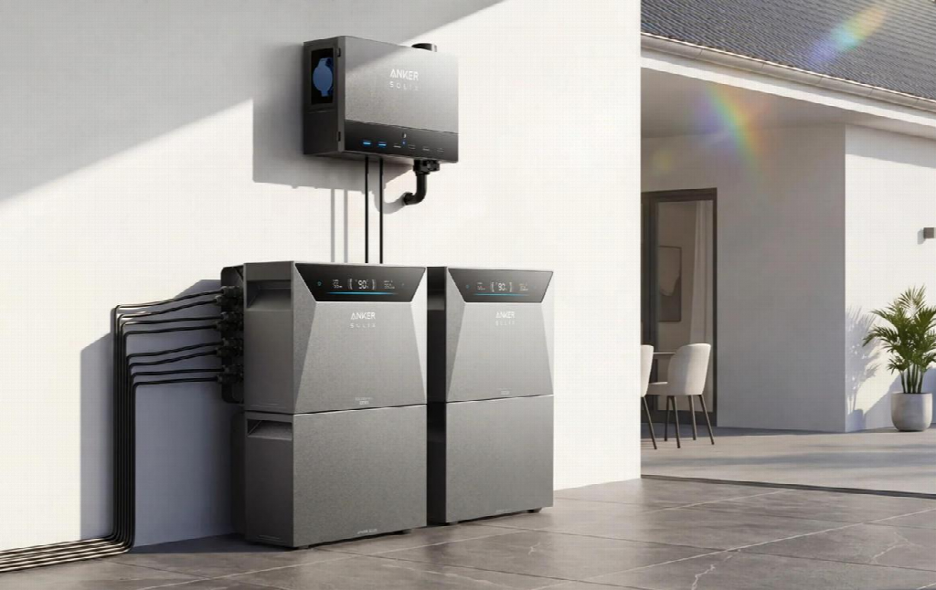
Battery storage can increase the usefulness of plug in solar, but only when it solves a clear mismatch between generation and demand. If most solar power is produced when the home is quiet, a battery may let you use more of that electricity later in the day. That can improve self-consumption and reduce imports during the evening. However, batteries add cost, complexity and efficiency losses, so they do not always improve overall value. For many smaller plug in systems, using power directly during daylight is the simpler and more economical route. Consider battery storage if your daytime usage is low but evening demand is consistent. Otherwise, invest first in a well-sized solar setup and good panel positioning.
Conclusion
Buying plug in solar makes sense when you focus on compliance, system sizing and genuine savings instead of promotional claims. Check that the equipment meets UK safety expectations, that the inverter and output are appropriate, and that the installation location offers reliable sunlight without avoidable risks. Then match system capacity to the electricity you actually use during the day, because self-consumption drives value more than headline generation figures. Finally, assess payback using realistic estimates and add battery storage only if it clearly improves how much of your solar power you can use. These three checks will help you choose a practical setup that is safe, cost-aware and suited to your home. A careful decision upfront usually leads to better long-term results.