
Building a Visual Identity Under Pressure: Trading Custom Freelance Art for the Ouch Library
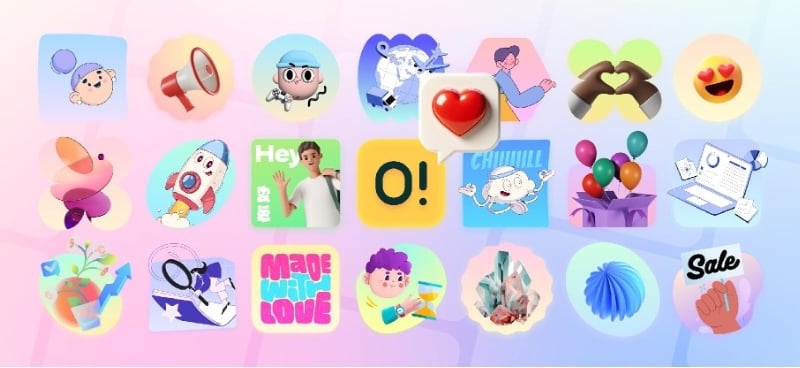
Six months. That was our entire runway to build and launch a massive educational technology platform. Tight deadlines force ruthless decisions about where your budget and time actually go. Massive volumes of interface graphics demand immediate attention for student portals, teacher dashboards, interactive landing pages, and automated email campaigns.
Custom freelance illustrations don’t happen overnight. You write detailed creative briefs outlining every specific character pose. Next comes negotiating rates and signing contracts. Then you wait days just for initial rough sketches. Endless revision rounds follow to tweak colors and stroke weights. Product roadmaps shipping major new features every two weeks simply break under that kind of sluggish schedule.
We desperately needed a faster way. Our design team decided to test whether a pre-packaged vector library could completely replace a dedicated illustrator for an entire product cycle. Ouch, a massive illustration library built by Icons8, became our primary experiment.
Escaping the Inconsistent Vector Trap
Stock assets usually ruin visual consistency across large web applications. Teams often default to UnDraw for quick mockups. Sure, it’s clean. But your shiny new product instantly matches a thousand other generic SaaS templates. Freepik offers massive volume and variety instead. Finding fifty visually cohesive graphics from dozens of different independent contributors across their platform feels practically impossible. You always end up with clashing line weights and mismatched character proportions.
Ouch takes a totally different approach by focusing strictly on user experience coverage. Icons8 packed over 28,000 business and 23,000 technology illustrations into 101 distinct, carefully curated styles. Options range from minimal monochrome sketches to colorfully bold 3D surrealism. Every single style perfectly covers entire complex UX flows. Grab matching graphics for shopping carts, checkouts, empty states, 404 pages, and secure logins. Professional hands drew every piece to ensure flawless continuity across your entire domain.
Rapid Prototyping During Sprint Reviews
Thursday afternoon brought a tense sprint review. Our lead developer booted up the staging environment for a brand new student assessment module. Everything functioned beautifully on the backend.
Visually, it felt completely dead.
Exactly twelve empty app screens stared back at us. Missing error messages, blank onboarding flows, and naked success modals plagued the interface. Custom illustrations for that sheer volume take three weeks minimum from a standard freelance artist. Monday morning was our hard, unmoving deadline for user testing.
Panic pushed us straight into the Icons8 ecosystem to salvage the sprint. We picked a sketchy, playful line graphic style to keep the educational vibe friendly and approachable for younger students.
Things moved incredibly fast once we committed. Opening the Pichon desktop app gave us instant offline access to all Ouch illustrations, scalable icons, and transparent PNG photos. We filtered specifically for our chosen line style to search by precise tagged objects instead of broad, useless categories. Finding exact interface needs like “waiting,” “success,” and “network error” beat digging through generic educational classroom scenes.
Dragging vectors directly onto our Figma canvas felt magical. Designers often begin by downloading an illustration free of charge, netting a standard PNG file requiring proper link attribution. Building a commercial product meant upgrading to the Pro plan immediately. SVG formats unlocked instantly across our entire account. Our team selected individual vector paths and recolored every single graphic to match our exact brand purple. Twelve empty states vanished into a polished UI in under four hours.
Generating Marketing Assets Without a Studio
App interfaces solve only half the product launch puzzle. Marketing teams need high-fidelity, eye-catching graphics for website homepages, weekly newsletters, and aggressive social media campaigns. Freelance illustrators usually treat these promotional assets as expensive, separate, high-ticket deliverables.
Asset libraries bridge the gap between flat app screens and rich marketing sites beautifully. We pivoted away from sketchy flat vectors to one of 44 available 3D styles for our promotional materials. Real 3D professionals craft these dimensional models. Download them directly in FBX format for custom lighting and rendering, or grab pre-rendered MOV files for quick video integration.
Paid social media ads got the Mega Creator treatment. That free online editor integrates directly with the vast illustration library. Our content manager flew through her daily workflow without bothering the design team. She picked pre-made, complex scenes built entirely from layered, individual elements. Swapping a background character’s laptop for a digital tablet took three seconds. Rearranging desk items, tweaking background colors, and exporting a perfectly branded promotional scene felt completely effortless.
Landing page headers require dynamic motion to capture attention. Skipping the exhaustive animator hunt entirely, we pulled animated files straight into lightweight Lottie JSON format. Our video production team also grabbed several pre-built After Effects projects. They edited the keyframes and exported crisp, lightweight GIFs for upcoming email marketing blasts. Visual continuity stayed perfectly intact from the animated website header right down to static error screens hidden deep inside the application.
When Pre-Packaged Graphics Fall Short
Pre-packaged graphics aren’t magic bullets for every single brand identity.
Mascot-driven startups performing highly specialized actions will absolutely struggle here. You can’t just type a specific animal in an exact pose into a search bar and expect magic. Deep, character-driven brand identities mandate hiring a dedicated freelance illustrator to capture unique nuances.
Pricing models also bring very specific legal constraints. Pro upgrades remove annoying link attribution requirements and unlock high-resolution vector formats. But that subscription doesn’t cover all possible commercial uses. Printing these graphics directly on physical merchandise or selling print-on-demand products means contacting Icons8 directly for a separate, custom licensing agreement.
Practical Strategies for Managing a Massive Library
Swapping custom art for an asset library isn’t a free-for-all. Handing your whole team unchecked access guarantees a chaotic, embarrassing mix of clashing visual styles within days.
- Pick one primary style for software interfaces. Choose exactly one complementary 3D style for marketing materials. Forbid your team from using anything else entirely.
- Download scalable SVG formats for web design exclusively. You’ll definitely need to adjust stroke weights and update brand colors eventually.
- Watch your account dashboard at the end of each billing period. Unused downloads roll over automatically to save budget.
- Fire up the built-in Illustration Generator for missing niche concepts. AI creates perfectly matching assets to maintain your chosen Ouch style without breaking visual rules.
Six brutal months flew by. Skipping the traditional freelance contract saved us thousands of budget dollars and weeks of frustrating revision cycles. Treating Ouch as a rigid, serious design system instead of a random clip-art folder changed everything about our workflow. We shipped a beautifully cohesive educational platform exactly on schedule.