
8 Must-Have Features for a Secure Mobile Banking App
The digital world has transformed banking because people use mobile applications instead of visiting physical branch locations. Mobile banking services now enable millions of users to conduct financial activities, which include transferring money, paying bills, making investments, and handling their finances. Security presents a major problem that organizations need to address because it provides users with easy access to systems. Cybercriminals view financial applications as their primary targets because these platforms store extremely confidential information.
Fintech companies and banking institutions need to establish strong security features as an essential requirement. In software development for finance , user data protection and financial transaction security need to become the primary focus. The implementation of strong security measures enables organizations to achieve compliance with regulations while establishing customer trust in their digital banking services.
The article presents 8 essential security features that mobile banking applications need to protect their users from financial application security threats.
1. Strong User Authentication:
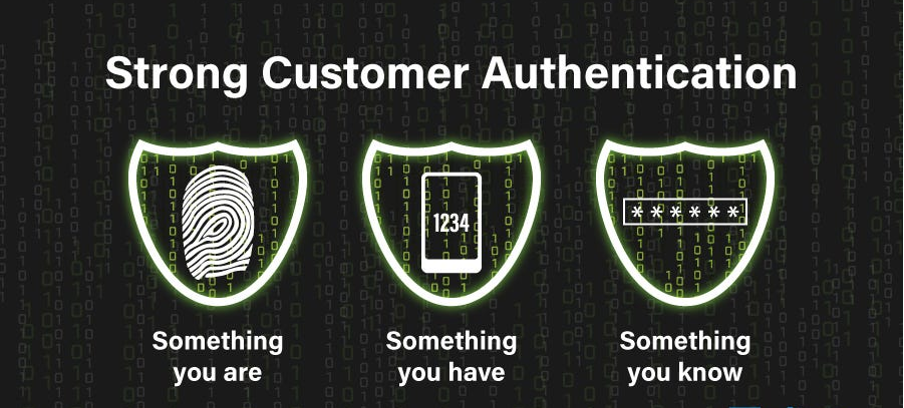
Authentication serves as the primary security measure for mobile banking applications. The presence of weak authentication systems enables unauthorized individuals to access confidential financial information.
Banks need to implement authentication systems that require multiple identity verification methods instead of relying on basic password protection. The security systems should implement authentication methods that require users to provide multiple types of proof, which will help to confirm their identity.
Key Authentication Methods:
- MFA and 2FA: The system needs several authentication procedures to enable safe user access.
- Biometric Verification: The system uses fingerprint and facial recognition technology to verify user identity.
- One-Time Passwords (OTP): The system generates a unique code that remains valid for a limited duration.
Pros:
The system blocks unauthorized entry, decreases the chances of identity theft, and enhances the security of user accounts.
Example:
The system requires three authentication methods, which include a password, a fingerprint scan, and an OTP to create multiple security defenses that protect against various threats.
2. End-to-End Secure Data Protection:
Encryption makes sensitive information inaccessible to hackers who attempt to read it during interception. The mobile banking application uses end-to-end encryption to safeguard customer data, which flows between their devices and the bank’s central server.
Types of Encryption Used:
- AES (Advanced Encryption Standard)
- Secure Socket Layer and Transport Layer Security protocols
- Public-key encryption
What Should Be Encrypted?
- Account login information
- Payment transaction details
- Personal data
With the lack of encryption, attackers can capture financial information that travels through networks.
3. Secure Application Interface Integration:

Mobile banking applications depend on Application Programming Interfaces, which enable them to establish connections with payment gateways, financial analytics systems, and third-party services.
The presence of insecure APIs results in major security weaknesses.
Secure API Practices:
- API authentication requires the use of tokens
- The system implements rate limiting to block potential attack attempts
- The system requires input validation
- The system uses encryption for all communications
Why It Matters?
When APIs lack proper security protections, attackers use them to gain entry into user accounts while they execute transactions at will.
Fintech applications require secure application programming interfaces because they serve as essential elements for their development.
4. Instant Fraud Monitoring:

Financial fraud is an ongoing process of change. A secure mobile banking application must identify suspicious behavior as it happens.
How Fraud Detection Works?
- Artificial Intelligence (AI): Detects patterns while it predicts future fraudulent behavior.
- Machine Learning (ML): Uses past information to study data patterns that show unusual activities and new security threats.
- Behavioral Analytics: Monitors user behavior to detect deviations from normal activity.
- Real-Time Monitoring System: Analyzes transactions in continuous mode, while it immediately detects suspicious actions.
- Proactive prevention system: Enables financial institutions to stop fraud activities before they reach customers.
Instance:
The system enables a user who usually logs in from Pakistan to perform a large transaction from another country by using the following security measures:
- The system will block the transaction
- The system will require extra verification steps
- The system will notify the user
This security measure blocks fraudulent transactions before they cause harm.
5. Biometric Security:
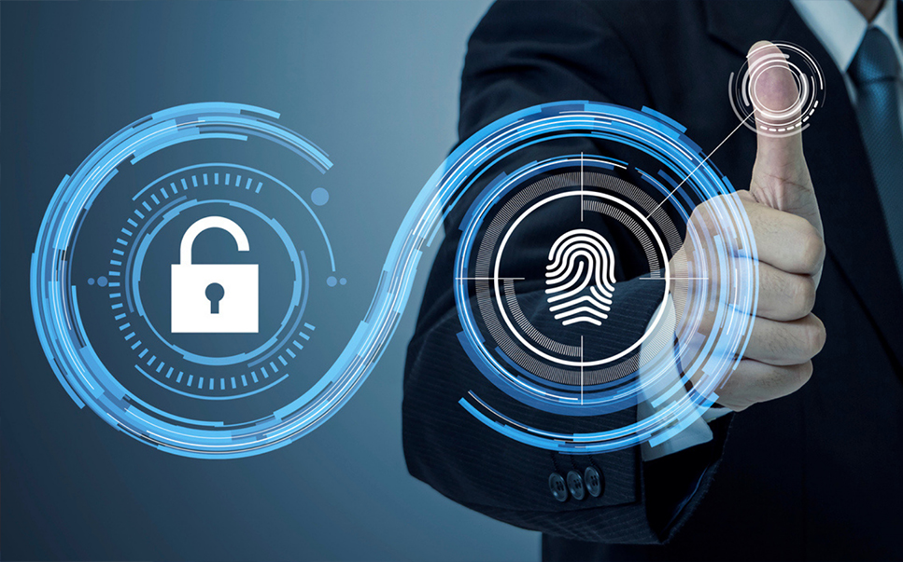
Mobile banking through biometric authentication has gained a lot of trust as one of the most secure means of mobile banking. Biometric authentication systems require all users to supply their distinct biological peculiarities, which cannot be replicated by others.
Common Biometric Methods:
Banking applications use fingerprint scanning, facial recognition, retina scanning, and voice authentication methods to verify user identity, which enables users to access their accounts in a secure and efficient way.
Pros:
- Instant login
- Improved security
- Minimized reliance on passwords
Biometric technology provides essential security features that improve user experience for contemporary banking applications.
6. Secure Connection Management:
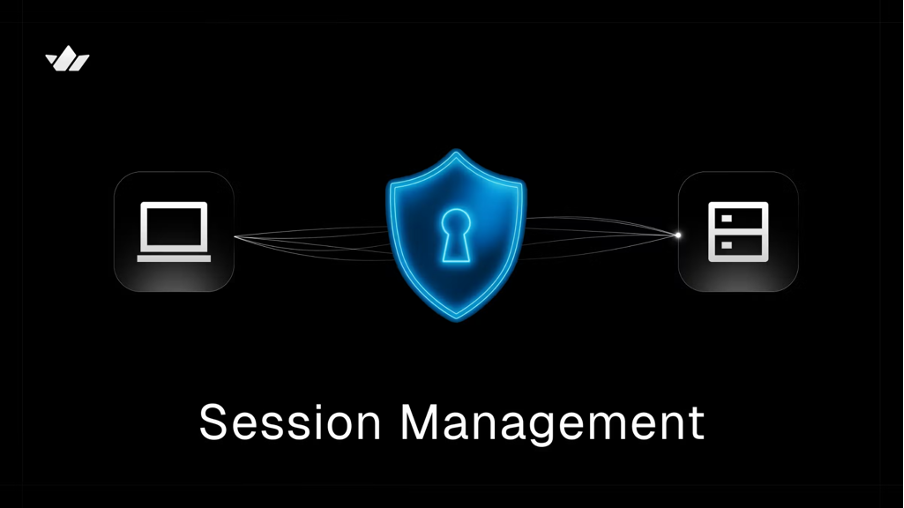
Session management is used to control the duration of user logins in an application.
Lack of proper session management also enables attackers to gain control of active sessions, and this helps them to gain entry into user accounts.
Important Session Security Measures:
- Automatic logout
- Session tokens
- Forced logout after inactivity
Instance:
The system should automatically log out its users who remain idle on the application for a given time.
The system excludes unauthorized access when the system loses control of the devices to users.
7. Regular Security Updates and Patch Management:

New cyber threats keep changing into different attack patterns. Mobile banking applications need to receive consistent security updates to protect against these emerging threats.
The process of updating programs helps to eliminate vulnerabilities that attackers would use for their attacks.
Why Updates Are Essential?
- Updates serve an essential function because they protect systems from newly discovered threats.
- The current encryption methods require enhancement to reach better security standards.
- The software needs to have its existing defects solved.
- The existing financial regulations need to receive better compliance from organizations.
Uses:
- Organizations should perform security testing on an ongoing basis.
- The process of vulnerability assessment should be conducted by organizations.
- Organizations need to conduct penetration testing.
Banks should also encourage users to update the app regularly to ensure maximum protection.
8. Regulatory Compliance and Data Protection:

Financial applications must comply with strict security regulations. The banking applications need to meet established standards that protect customer data according to the compliance requirements.
Important Compliance Standards:
| Regulation / Standard | Purpose | Region |
| PCI DSS | Protects payment card data | Global |
| GDPR | Data privacy protection | European Union |
| PSD2 | Secure electronic payments | Europe |
| ISO 27001 | Information security management | Global |
Benefits of Compliance:
- It builds customer trust, which results in increased business for the organization.
- The system prevents any legal penalties that would otherwise apply to the organization.
- The system guarantees secure data handling through its established security protocols.
- The system becomes more dependable through its compliance with regulatory requirements.
Financial institutions need to fulfill regulatory compliance because it serves as a legal obligation and an essential component for building their institutional credibility.
Key Security Features Overview:
The following table summarizes the essential features for secure mobile banking applications.
| Feature | Purpose | Security Benefit |
| Strong Authentication | Verifies user identity | Prevents unauthorized access |
| End-to-End Encryption | Protects data transmission | Keeps financial data secure |
| Secure APIs | Safely connect services | Prevents system vulnerabilities |
| Fraud Detection | Identifies suspicious activity | Stops fraudulent transactions |
| Biometric Security | Uses unique biological traits | Enhances login security |
| Session Management | Controls login sessions | Prevents session hijacking |
| Security Updates | Fix vulnerabilities | Protects against new threats |
| Regulatory Compliance | Meets legal standards | Ensures trusted financial services |
Additional Security Best Practices:
The eight required features must be implemented first before developers start working on extra development methods.
1. Device Binding:
Having accounts associated with particular gadgets makes it less likely to experience unauthorized access.
2. Secure Coding Practices:
Secure coding guidelines are supposed to be adhered to by developers to avoid vulnerabilities, which include SQL injection and cross-site scripting.
3. Data Minimization:
Data Minimiation collects only the information necessary to provide services. The system experiences lower risk when it stores reduced quantities of data.
4. Continuous Monitoring:
The security monitoring systems are to monitor the activity of the apps 24/7 to identify anomalies.
The Role of Fintech Developers in Mobile Banking Security:
Developers create secure mobile banking applications through their work.
They must:
- Integrate advanced encryption technologies
- Conduct regular security testing
- Follow fintech regulatory standards
- Implement scalable security architectures
Modern fintech applications operate as intricate systems that include cloud services, APIs, and payment systems, which connect to user devices. Security measures demand expert development skills because they need protection across multiple system components.
This is why professional financial software development teams focus heavily on security-first design principles.
Challenges in Mobile Banking Security:
Cybersecurity improvements have created modern security challenges that still exist today.
1. Increasing Cyberattacks:
Hackers consider financial institutions to be one of their most valuable targets.
2. Rapid Technology Changes:
All emerging technologies bring forward new security risks that must be addressed.
3. User Behavior:
Security systems become vulnerable when users create weak passwords and practice unsafe security methods.
4. Third-Party Risks:
Using external services for system integration creates opportunities for security vulnerabilities.
Fintech security solutions need continuous development to solve existing problems in the industry.
Future Trends in Mobile Banking Security:
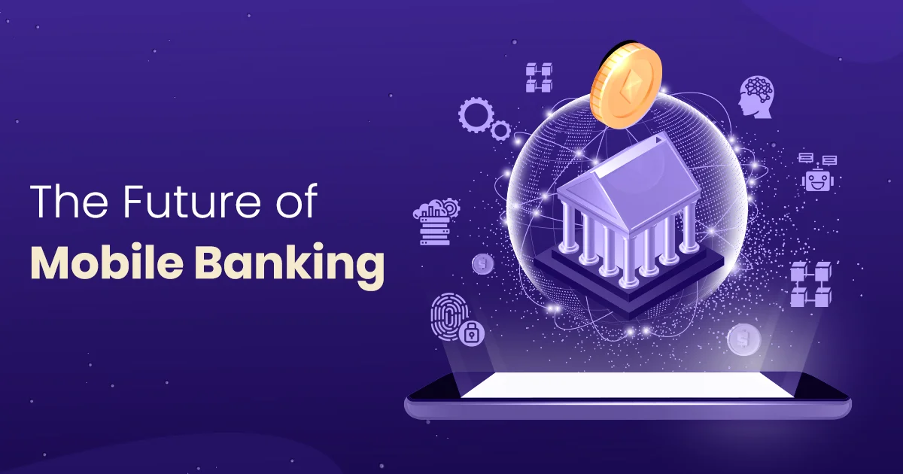
Financial applications use advanced security technologies that develop alongside their growing complexity.
AI-Powered Threat Detection:
A complex pattern of fraud can be detected within a shorter period of time by artificial intelligence compared to conventional systems.
Behavioral Biometrics:
Apps use user typing patterns, touchscreen movements, and phone holding positions to authenticate their identity.
Blockchain Security:
The blockchain technology will facilitate enhanced monitoring of transactions, which will curb fraud cases.
Zero-Trust Architecture:
The system will not trust any user or device until they prove their identity through authentication.
These technological developments will create the upcoming mobile banking applications.
Conclusion:
Mobile banking services have been adopted by people as a result of the fact that this technology allows them quick access to their banking needs. The system provides easy-to-use features and requires users to perform significant security tasks. The mobile banking applications should introduce the required elements of security, which include effective authentication and data encryption, secure access to API, fraud detection, biometric security, session management, system updates, and legal compliance.
The security system applies several technologies as defense measures to protect the financial institutions and their users against potential threats and offer secure and effective banking services.
A secure app development process must remain an essential part of the development of fintech. Layered to create a more secure online banking service? To make the mobile banking app reliable and secure, include the following essential elements of security.