
AI Agents vs. Traditional Tools: A Marketer’s Guide to Multimedia
Modern marketing teams face relentless pressure to produce fresh, engaging multimedia content across platforms—videos, graphics, animations—all while managing tight budgets and tighter deadlines. The traditional workflow, built around tools like Adobe Premiere Pro, Photoshop, and Canva, delivers quality but demands specialized skills, countless hours, and painstaking manual effort for each asset. Enter AI agents: intelligent systems designed to understand prompts, plan creative tasks, and autonomously execute complex content generation. Unlike static software that waits for your every command, these agents act as collaborative partners, interpreting your goals and delivering results with minimal hand-holding. This shift raises a critical question for marketers: Can AI agents truly replace the traditional toolkit, or do they serve a different purpose altogether? This guide cuts through the hype to deliver a practical comparison, helping you understand where each approach excels, where they fall short, and how to leverage both to build a faster, more effective multimedia marketing operation.
Understanding the Contenders: AI Agents and Traditional Tools Defined
Traditional multimedia tools form the backbone of professional content creation. Adobe Premiere Pro handles complex video editing with frame-by-frame precision. Photoshop manipulates images with surgical accuracy. Canva democratizes design with templates and drag-and-drop simplicity. These platforms excel at delivering pixel-perfect results and granular control over every creative element. They’ve earned their place through decades of refinement, offering established workflows that professionals trust. Yet they share common constraints: each demands significant time investment to master, requires manual execution of repetitive tasks, and depends entirely on the operator’s skill level. Every cut, color adjustment, and layer blend happens because a human directs it.
AI agents represent a fundamentally different approach. These systems—ranging from conversational platforms like ChatGPT with multimodal capabilities to specialized video generation tools—function as intelligent collaborators rather than passive instruments. Feed an AI agent a creative brief, and it interprets your intent, develops a plan, and executes tasks with minimal supervision. It might generate a complete video storyboard, produce original imagery, or edit footage based on style preferences you describe in plain language. The distinction is crucial: traditional tools wait for your next click; AI agents anticipate needs and propose solutions. Where Adobe requires you to know which filter achieves your vision, an AI agent asks what emotion you want to evoke and experiments until it delivers. This shift from command-execution to goal-oriented collaboration marks the true evolution in multimedia creation technology.
The Marketer’s Multimedia Pain Points: Where Traditional Tools Fall Short
Marketing teams today operate under constant pressure to feed multiple channels with fresh visual content, yet traditional tools create systematic bottlenecks that slow production to a crawl. The demand for unique multimedia assets—custom graphics for each campaign, platform-specific video formats, personalized visual variations—quickly overwhelms teams relying on manual workflows. A single promotional video might consume days of editing time in Premiere Pro, while creating fifty social media graphic variations in Photoshop becomes a soul-crushing exercise in repetition. The skill barrier compounds the problem: not every marketer possesses advanced video editing capabilities, forcing teams to either invest months in training or funnel all creative requests through a single overworked specialist. This creates dependency and delays that kill campaign agility.
Budget constraints tighten the squeeze further. Stock footage libraries charge premium fees for quality assets, while hiring freelance videographers or motion designers for each project drains resources that smaller teams simply don’t have. When a campaign underperforms, the cost of rapidly testing alternative visual approaches—different thumbnails, color schemes, or video hooks—becomes prohibitive with traditional tools. Each variation requires the same laborious manual process as the original, making true A/B testing of multimedia elements a luxury rather than standard practice. The result is a painful paradox: marketers know visual content drives engagement, yet their toolkit makes producing it at the necessary speed and volume practically impossible. Traditional tools deliver quality, but they can’t deliver it fast enough or affordably enough to meet modern marketing’s relentless content demands.
AI Agents in Action: Transforming Multimedia Creation for Marketing
The AI Chat Agent as a Creative Co-pilot
Conversational AI platforms have evolved into powerful brainstorming partners that transform how marketers approach creative development. Instead of staring at a blank page, you describe your campaign goals in plain language—”I need a video concept for launching eco-friendly sneakers to Gen Z”—and the agent generates multiple storylines, suggests trending visual styles, and drafts complete scripts within seconds. These systems excel at breaking creative blocks by proposing angles you hadn’t considered, pulling from vast training data that spans industries and formats. Marketers use chat agents to outline entire content calendars, generating dozens of social post concepts, email subject lines, and video hooks in a single session. The agent doesn’t just respond; it asks clarifying questions about your audience, brand voice, and campaign objectives, refining its suggestions iteratively. This collaborative dynamic accelerates the ideation phase from days to minutes, freeing your team to focus energy on strategic refinement rather than initial concept generation.
Automating Multimedia Generation and Editing
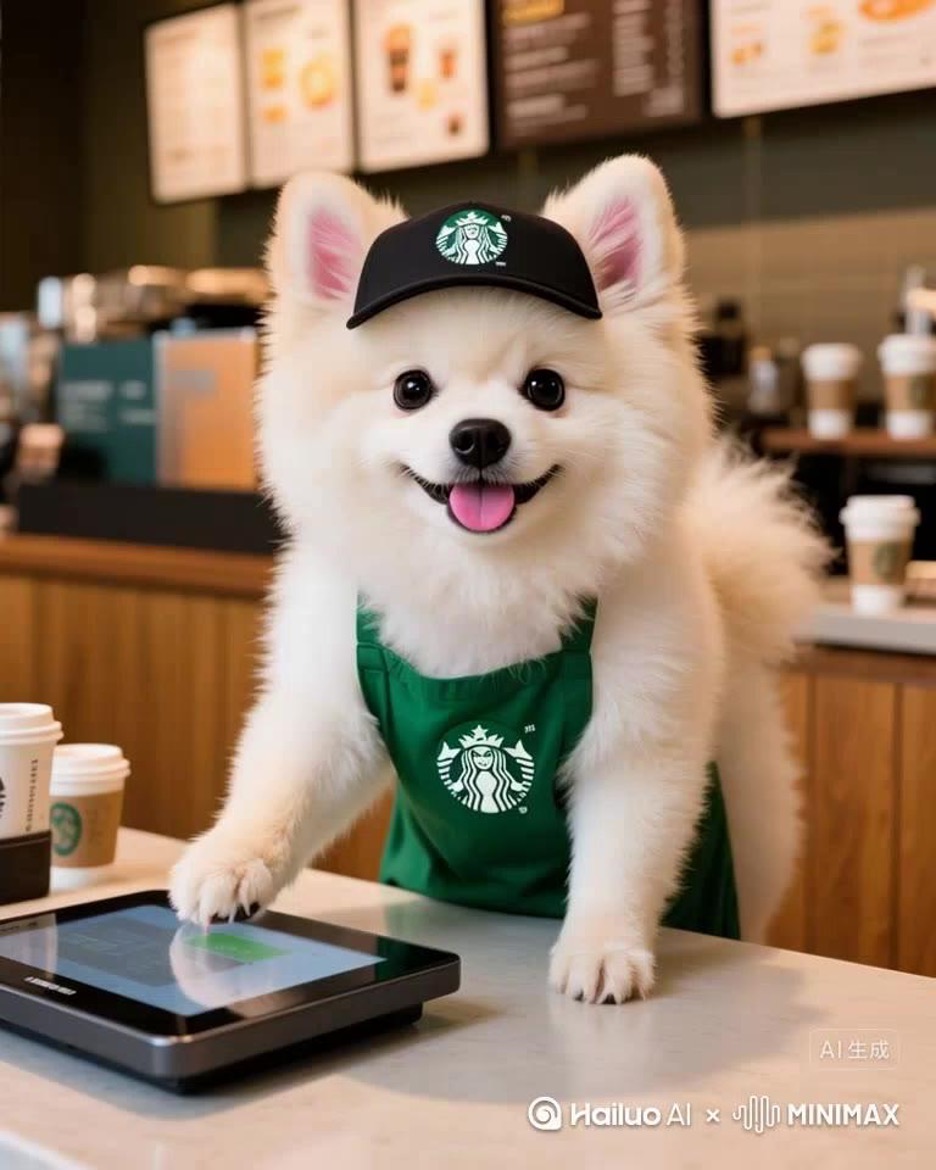
AI agents move beyond planning to execute tangible production tasks that traditionally consumed hours of specialist time. Text-to-image generators create custom visuals for blog headers, ad backgrounds, or social graphics by interpreting descriptive prompts—no stock photo subscriptions or designer retainers required. Video synthesis tools transform written scripts into complete clips with AI-generated voiceovers, background music, and dynamic text overlays, producing platform-ready content in minutes. Platforms like HailuoAI are pushing the boundaries of video generation, allowing marketers to create full video sequences from text descriptions with minimal technical expertise. For existing footage, AI editing assistants automatically handle color grading, remove filler words from interview recordings, and crop vertical videos into square or horizontal formats for different channels. These agents analyze raw material and apply professional editing techniques autonomously, delivering polished first drafts that require only minor human adjustments. The efficiency gain becomes exponential when creating variations: an AI agent can generate twenty thumbnail options with different color schemes, text placements, and visual emphasis in the time a designer spends perfecting one. This automation doesn’t eliminate creativity—it eliminates the repetitive execution that buries it, letting marketers test more concepts and iterate faster than manual workflows ever allowed.
Enhancing Audience Engagement Through AI-Powered Visuals
AI agents analyze performance data to optimize multimedia elements specifically for engagement, moving beyond generic best practices to audience-specific insights. These systems test thumbnail variations against click-through rates, identify which video opening sequences retain viewers longest, and suggest visual adjustments based on demographic response patterns. Some agents personalize video content dynamically, swapping product showcases, testimonials, or calls-to-action based on viewer segments without requiring separate manual edits for each variation. For paid campaigns, AI-powered creative tools generate ad visuals tailored to different audience clusters, automatically adjusting imagery, color psychology, and compositional focus to match what historically drives conversions within each group. This data-driven approach transforms multimedia from artistic guesswork into measurable optimization, continuously improving engagement metrics through intelligent iteration that traditional manual testing simply cannot match at scale.
Head-to-Head Comparison: Choosing the Right Tool for the Job
Understanding when to deploy AI agents versus traditional tools requires evaluating five critical dimensions that directly impact marketing outcomes. Speed and scalability heavily favor AI agents—generating fifty social media graphic variations takes minutes with AI versus days in Photoshop, while traditional tools excel when timeline pressure eases and volume decreases. For creativity and uniqueness, the dynamics shift: AI agents rapidly produce diverse concepts and novel combinations that spark ideas, yet traditional tools offer the nuanced control required to execute distinctive brand aesthetics that truly stand apart in crowded markets. Cost considerations reveal another split—AI agents eliminate stock media subscriptions and reduce freelancer dependency for routine assets, though traditional tools remain more economical for teams already possessing in-house expertise and software licenses. Control and precision remain traditional tools’ stronghold; when pixel-perfect brand compliance, complex narrative editing, or specific technical specifications matter, Adobe’s granular controls outperform AI’s approximations. Ease of use tips decisively toward AI agents, which accept plain-language instructions accessible to any marketer, while traditional tools demand specialized training that creates team bottlenecks.
The smartest approach isn’t choosing one over the other—it’s architecting a hybrid workflow that exploits each system’s strengths. Deploy AI agents for ideation sessions, rapid prototyping of campaign concepts, and generating scalable asset libraries across platforms. Reserve traditional tools for final refinement, ensuring brand guideline precision, and crafting hero content pieces where narrative complexity and emotional resonance justify the time investment. Use AI to create twenty video variations for testing, then polish the winning concept in Premiere Pro. Let agents generate background visuals and layout options, then apply your brand’s signature design touches in Photoshop. This complementary strategy transforms AI from a replacement threat into a productivity multiplier, freeing your specialists to focus their expertise where it creates maximum impact rather than grinding through repetitive execution work.
Implementing an AI-Augmented Multimedia Workflow: A Step-by-Step Guide
Begin by conducting a thorough audit of your current content production process to identify where bottlenecks actually occur. Map each stage—from initial concept to final publication—and measure time spent on ideation, asset creation, editing, and revisions. Pinpoint which tasks consume disproportionate hours relative to their strategic value: scripting repetitive social videos, resizing graphics for multiple platforms, or sourcing stock imagery typically surface as prime automation candidates. Next, research and select AI agent tools matched to your specific pain points. For scriptwriting bottlenecks, test conversational AI platforms that generate video outlines and dialogue. If asset volume limits campaigns, explore text-to-image generators and AI video synthesis tools. Match tool capabilities to your actual workflow gaps rather than adopting technology for its novelty.
Integration requires establishing clear handoff points between AI and human input. Implement a draft-refine model where AI agents produce initial concepts, rough cuts, or asset variations, then route outputs to your team for brand alignment and creative polish. Set explicit quality gates: define which AI-generated elements can publish directly versus what requires human review, ensuring brand voice and visual standards remain consistent. Create simple prompt templates that capture your brand guidelines, helping team members extract better results from AI tools without specialized training. Finally, measure impact rigorously by tracking metrics that matter—content output volume, production time per asset, campaign engagement rates, and team capacity freed for strategic work. Compare pre- and post-AI implementation data quarterly, adjusting your workflow based on what demonstrably improves marketing outcomes rather than assumptions about AI capabilities.
The Future of Marketing Multimedia: Embracing the Hybrid Approach
AI agents represent not the death of traditional multimedia tools but their evolution into something far more powerful—a hybrid system where automation handles scale and humans focus on strategic creativity. The evidence is clear: marketers who deploy AI for rapid ideation, asset generation, and repetitive editing tasks free themselves from production bottlenecks that have constrained campaigns for decades. Yet the winning formula isn’t abandoning Adobe or Canva; it’s using AI agents to create volume and velocity, then applying traditional tools where brand precision and emotional storytelling demand expert human judgment. This complementary approach transforms your workflow from a linear production line into a dynamic creative engine, where AI multiplies output while your team elevates quality. The marketers who thrive in the next era won’t be those who resist AI or blindly adopt every new tool—they’ll be the ones who strategically orchestrate both technologies, letting intelligent agents handle the grunt work while channeling human creativity toward high-impact strategic decisions. The multimedia marketing landscape has fundamentally shifted. Your competitive advantage now depends on how quickly you embrace AI augmentation to produce more engaging content, test more variations, and respond faster to audience signals than teams still grinding through purely manual workflows.