
Creating a Safer, More Efficient Workplace
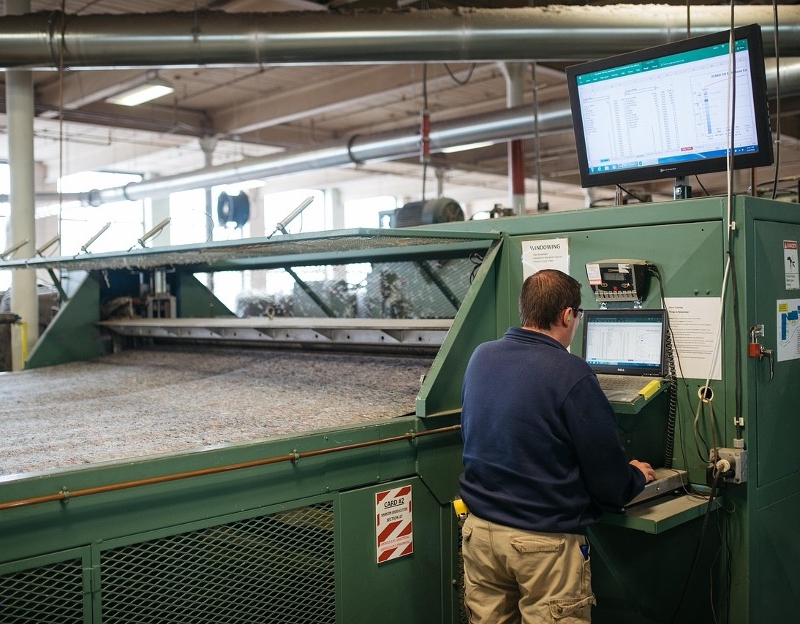
Industrial and manufacturing environments are fast-paced, to say the least, and the margin for error is razor-thin. One overlooked safety protocol, misfiled cable, or an employee unaware of proper cybersecurity hygiene can result in costly accidents, downtime, and even disaster.
Your responsibility goes well beyond compliance. What’s more important is creating an ecosystem where safety, organization, and preparedness are woven into your company’s daily operations and long-term strategy.
This article outlines practical, proven strategies that help build a safe, efficient workplace, from visual labeling systems and disaster preparedness to cybersecurity best practices and employee training.
Whether you’re running a factory floor, a warehouse, or a technical facility, these insights will help you minimize risks, protect your team, and strengthen the foundation for sustainable success.
Start With Culture: Why a Safe and Organized Workplace Matters
In manufacturing, industrial, and technical sectors, safety and organization must be at the forefront of everything you do. A well-structured, secure environment protects your workforce, reduces downtime, and enhances operational efficiency.
At the heart of it all is leadership. When upper management prioritizes safety, that mindset filters down through every level of the company, cultivating a culture where risk awareness and responsible behavior are second nature.
Regular safety audits, risk assessments, and process evaluations are essential tools in identifying and eliminating hazards before they escalate into major incidents. These audits prevent accidents and reveal inefficiencies, helping your team improve workflows and reduce waste.
Beyond risk mitigation, a well-organized workplace fosters productivity. You need things like commercial security camera systems to keep everyone safe and accountable. And when tools, machinery, and materials are stored systematically, employees waste less time searching and spend more time performing.
Moreover, clearly labeled workstations and streamlined processes minimize the chance of human error, especially in high-pressure or high-stakes environments.
If you decide to neglect workplace security and organization, get ready for steep financial consequences, from theft and equipment damage to liability lawsuits and reputational damage.
Make Safety Visual
A well-organized and safe workplace speaks for itself, literally. Visual cues such as signs, floor markings, and color-coded labels can prevent accidents and boost compliance by providing instant, universal communication. These systems help your employees immediately identify hazardous areas, locate emergency exits, and handle equipment properly.
However, you must be consistent. Standardized labeling for tools, wires, machinery, and storage bins helps employees find what they need quickly and supports OSHA compliance and other regulatory requirements.
When labels follow the same format and use clear, bold language or pictograms, they become intuitive, reducing training time and increasing adoption. Grab an industrial desktop or benchtop label printer to create and print labels seamlessly.
These printers are designed to help you mark tools, pipes, panels, wires, and more with weather-resistant, easy-to-read labels. They’re especially useful in plants, warehouses, and job sites where visibility and durability are everything.
Emergency Plans That Work
There are lives, livelihoods, and assets at stake in your workplace. So, preparedness should be a top priority. However, many organizations either lack a formal disaster recovery plan or have one that’s outdated and poorly communicated.
You need to develop a comprehensive disaster recovery plan tailored to various scenarios, including fires, chemical spills, electrical failures, severe weather, and cyberattacks. These plans will ensure that you minimize downtime, secure assets, protect employees, and quickly resume operation in a crisis.
Each plan should include evacuation routes, shutoff procedures, emergency contacts, and backup systems. Most importantly, it must be easily accessible and understood by all employees.
Assign specific roles and responsibilities to team members during emergencies, like who leads the evacuation, who performs a headcount, and who calls emergency services. You avoid chaos and reduce response time when these responsibilities are defined ahead of time.
Regular drills and training refreshers ensure your employees remember these plans and can execute them under pressure. Use real-world simulations to test procedures, gather feedback, and refine your approach. It’s not enough to have a plan; you need a team that’s confident and capable of executing it.
From communication failures to equipment downtime, the risks of being unprepared are too significant to ignore.
Cybersecurity Starts With Your Team
You rarely see a manufacturing or industrial operation that doesn’t have digital systems embedded in it. Hence, cybersecurity is now a frontline safety issue. One breach can paralyze operations, corrupt data, and compromise customer trust.
You don’t need a full-time IT department to mitigate cyber risk. Start with your people. Employee training is the first and arguably the most effective defense against cyber threats. Phishing scams, password breaches, and social engineering attacks often succeed because of human error, not technological gaps.
An effective training program requires you to understand what your workers need to learn and how they learn. Then, you can move into developing specific training initiatives, like recognizing suspicious emails, how to use secure networks, and safeguarding login credentials.
Schedule regular cybersecurity audits and system updates as well. Technology evolves quickly, and so do the threats. Periodic evaluations help you patch vulnerabilities before attackers can exploit them.
Safe Systems, Safer Future
A well-organized, safety-conscious workplace protects and empowers. Prioritize safety, organization, and cybersecurity to create an environment where your employees thrive, your assets are protected, and operations run smoothly. But this isn’t a one-and-done effort; it’s an ongoing investment.
Leadership must remain engaged, regularly reviewing safety protocols, emergency plans, and cybersecurity policies to adapt to new challenges and technologies. Encourage every team member to give you feedback and participate in creating the safest, most organized workplace. After all, they’re often the first to spot inefficiencies or emerging risks.
When safety and organization are embedded into your company’s DNA, you prevent accidents, build resilience, strengthen your reputation, and secure your future.