
Why Custom Software is the Ultimate Growth Engine for Modern Sports Businesses
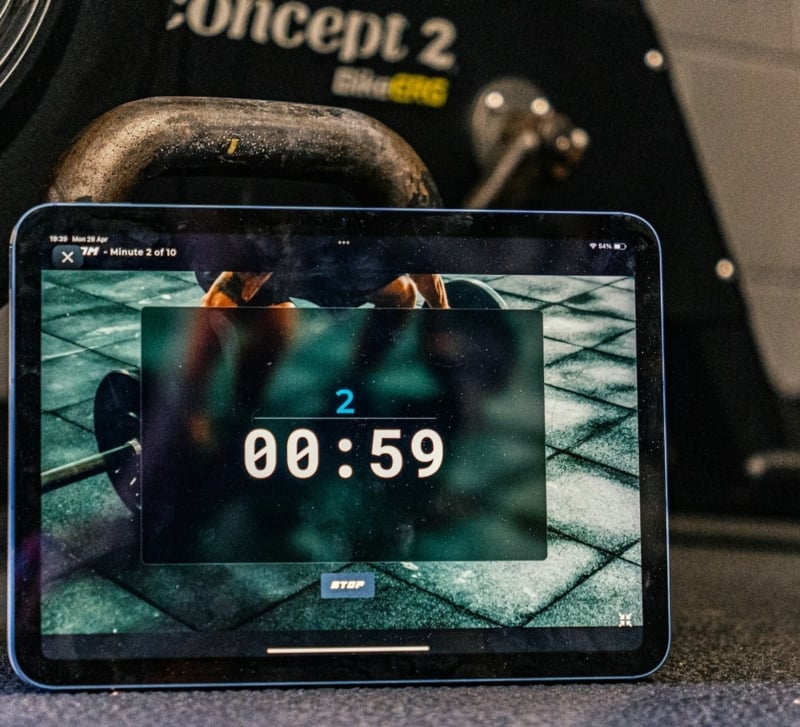
The fitness industry used to be wonderfully simple. You rented a commercial space, filled it with heavy iron, hired a few energetic trainers, and waited for the neighborhood to show up. Success was measured by how many physical bodies walked through the front door between 5:00 PM and 7:00 PM.
But the landscape has shifted underneath our feet. Today, fitness is no longer confined to four walls, and a consumer’s relationship with their health doesn’t end when they log off the gym’s Wi-Fi. We live in an era of hyper-personalized, data-driven, and on-demand wellness. Consumers expect their favorite fitness brands to be accessible from their pockets 24/7.
For sports businesses—whether you run a boutique yoga studio, a multi-location gym franchise, a youth sports league, or a personal training enterprise—relying on legacy systems or manual spreadsheets is a fast track to irrelevance. Embracing dedicated digital solutions is no longer a luxury reserved for tech giants. It is a fundamental operational requirement.
The Shift in Consumer Expectations
To understand why specialized software is so vital, we first have to look at the modern fitness consumer. The average gym-goer or sports enthusiast is highly tech-savvy. They likely wear a smartwatch that tracks their heart rate, logs their sleep cycles, and calculates their daily caloric burn.
When these individuals interact with a sports business, they expect that same level of digital sophistication. They want to book a spinning class with two taps on their phone. They want to see their historical performance data, receive personalized nutrition tips, and pay their monthly membership seamlessly without having to wait at a front desk.
If your business forces customers to call in to reserve a spot, sign paper liability waivers, or use a clunky, third-party website that isn’t mobile-optimized, you are creating friction. In the digital economy, friction kills retention. Dedicated applications eliminate this friction, meeting customers exactly where they are: on their smartphones.
Streamlining Operations and Cutting the Administrative Fat
Ask any gym manager or sports business owner what they hate most about their job, and the answer is almost always the same: administrative busywork. Managing class schedules, tracking employee shift changes, processing recurring billing, chasing down expired credit cards, and handling member cancellations can easily consume forty hours a week.
Investing in the development of fitness applications allows businesses to put these tedious, repetitive tasks on autopilot.
When your operational backend is integrated into a central software ecosystem:
- Automated Billing: Payments are processed securely every month, and the system automatically sends reminders for upcoming renewals or flagged accounts.
- Smart Scheduling: Trainers can update their availability in real time, and clients can self-select slots based on who is free. This eliminates the endless back-and-forth text threads trying to schedule a single session.
- Resource Optimization: If a specific HIIT class consistently underperforms on Tuesday mornings, your software’s dashboard will highlight that trend, allowing you to reallocate trainers and equipment to more profitable time slots.
By freeing your team from administrative quicksand, they can focus on what they actually do best: coaching, building community, and delivering an unforgettable experience to your members.
Driving Retention Through Hyper-Personalization
In the fitness world, acquisition is expensive, but retention is where the actual profit lies. It is far cheaper to keep an existing member motivated than it is to constantly market to and acquire new ones.
This is where software acts as your secret weapon. Without data, you are essentially guessing what your members want. With a dedicated app, you have access to a goldmine of behavioral insights.
Imagine a scenario where a member hasn’t logged into your facility or booked a class in 14 days. Without software, that individual simply slips through the cracks until they eventually notice the charge on their bank statement and cancel. With an automated app system, their inactivity triggers a personalized push notification: “Hey Sarah, we missed you this week! Here is a complimentary smoothie coupon to use after your next workout.”
Furthermore, software allows you to gamify the fitness experience. You can create milestones, award digital badges for completing a 10-day workout streak, or display leaderboards for community challenges. By turning fitness into an interactive, rewarding game, you build a deeper emotional connection between the user and your brand.
Scaling Your Revenue Beyond the Physical Space
A brick-and-mortar sports business is inherently limited by physical constraints. You only have so many square feet of floor space, so many pieces of equipment, and a finite number of hours in a day. Once your peak hours are fully booked, your revenue hits a ceiling.
Digital platforms completely shatter these geographic and physical boundaries.
With a custom fitness app, your business can adopt a hybrid model. You can live-stream your most popular classes for members who are traveling or prefer to work out from home. You can sell curated, digital-only training programs, libraries of on-demand workout videos, and personalized meal plans to individuals who don’t even live in your city.
This creates a highly scalable, high-margin recurring revenue stream. Your trainers write a workout program once, upload it to the app, and sell it to thousands of users globally. Suddenly, your gym isn’t just a local business anymore—it’s a global fitness brand.
Community Building in a Digital Age
People join gyms for the equipment, but they stay for the community. Human beings possess an innate desire to belong to a tribe of like-minded individuals who share their goals and values.
Historically, community was built purely through casual banter by the water cooler or locker room. While that still matters, software amplifies this sense of belonging exponentially.
A dedicated app can feature community feeds, group chats for specific training challenges, and social sharing integrations. When a member hits a personal record on their deadlift or completes a grueling 5K run, they can share their achievement directly within your app’s community ecosystem. Their peers can leave encouraging comments, and your coaches can drop in to offer expert feedback.
This digital camaraderie keeps your brand top-of-mind. Even when a member is sitting at their office desk or cooking dinner at home, they are interacting with your fitness community, reinforcing their identity as a loyal member of your business.
Making Smarter Decisions with Actionable Analytics
Running a business based on “gut feeling” is a risky strategy. Yet, many traditional sports business owners operate in the dark because they lack clear visibility into their data. They might know their total revenue at the end of the month, but they don’t know why that number is what it is.
Fitness software provides granular, real-time analytics that take the guesswork out of business strategy.
With comprehensive reporting dashboards, you can easily track:
- Member Lifetime Value (LTV): Exactly how much revenue the average customer generates over their entire relationship with your brand.
- Churn Rate: The percentage of members leaving each month, helping you spot troubling trends before they impact your bottom line.
- Peak Utilization Hours: Knowing precisely when your facility is overcrowded or empty so you can adjust staffing levels, energy consumption, and class schedules accordingly.
- Trainer Performance: Identifying which coaches attract the highest attendance and retention rates, allowing you to reward your top talent and replicate their success across the board.
When you possess this level of clarity, you stop reacting to problems and start proactively steering your business toward sustainable growth.
Choosing the Right Tech Path: Off-the-Shelf vs. Custom
Once you recognize the necessity of software, the next logical question is how to implement it. There are dozens of generic, off-the-shelf gym management platforms available on the market today. For brand-new startups operating on a shoestring budget, these templated solutions can offer a decent starting point.
However, as a sports business matures and looks to differentiate itself in a crowded market, off-the-shelf software often reveals its limitations. These generic platforms frequently force you to alter your unique business workflows to fit into their rigid, pre-built structures. They often feature clunky user interfaces, lack your distinct branding, and charge expensive per-user fees that eat into your profit margins as you scale.
Investing in bespoke digital tools ensures that the technology bends to your business model, not the other way around. It allows you to design a proprietary user experience that perfectly mirrors your brand identity, integrates seamlessly with your existing hardware, and scales infinitely alongside your long-term ambitions.
The Future of Sports Business is Digital
Technology is changing how we move, how we track our health, and how we interact with fitness brands. The businesses that cling to outdated methods out of nostalgia or fear of change will inevitably find themselves left behind by more agile, tech-forward competitors.
Fitness apps and software are no longer just optional accessories designed to make your business look modern. They are the core infrastructure upon which modern sports enterprises are built. From streamlining messy back-of-house operations to opening up new, borderless revenue streams and fostering a fiercely loyal community, digital products provide the ultimate competitive edge.
The future belongs to the sports businesses that successfully blend the physical power of sweat and community with the boundless potential of digital technology. It’s time to move past the traditional gym floor and start building your brand’s digital future today.