
Designing Future-Ready Homes: Where Clean Energy Storage Meets Smart Living
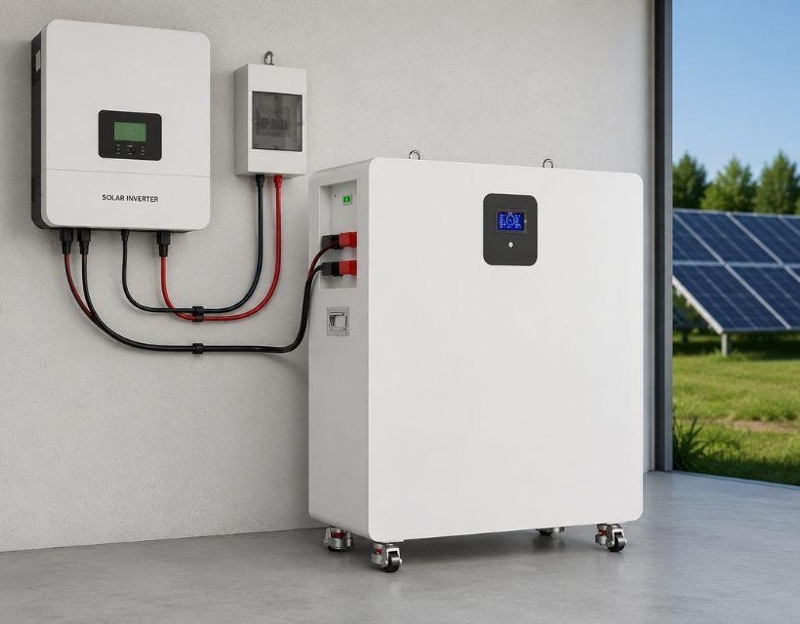
Residential construction is entering a new phase where energy resilience and intelligent infrastructure are becoming just as important as architectural design and interior aesthetics. Modern homeowners are increasingly looking for properties that can support renewable energy systems, smart automation, and long-term efficiency without requiring future upgrades. As a result, builders, architects, and installers are placing greater focus on practical energy planning during the early construction stages.
Future-ready homes now require thoughtful integration of solar compatibility, battery installation zones, inverter placement, ventilation systems, smart monitoring technology, and scalable electrical layouts. From luxury residences to hybrid living-and-working spaces, modern home design is evolving to support cleaner, smarter, and more adaptable energy ecosystems.
What Defines a Future-Ready Home?
A future-ready home is designed to adapt to changing technology, rising energy demands, and evolving sustainability standards. While smart devices and automated systems are important, the real foundation of a future-ready property lies in its infrastructure.
Modern residential projects are increasingly built around energy flexibility, home energy resilience, and intelligent power management. This means homes must be capable of supporting renewable energy systems, backup power solutions, and expanding electrical needs over time.
Smart Technology Is Only Part of the Equation
Smart lighting, connected appliances, voice-controlled systems, and AI-driven automation have become common features in modern homes. However, these technologies are only effective when supported by a strong electrical infrastructure.
A well-designed smart home should also include:
- Solar-ready electrical planning
- Dedicated energy storage space
- Efficient cable routing
- Backup load prioritization
- Smart monitoring systems
- Scalable energy distribution
Without these foundational systems, many smart technologies become difficult to expand or optimize later.
Sustainable Design Now Includes Energy Infrastructure
In the past, sustainability in residential construction often focused on insulation, windows, and efficient appliances. Today, sustainable architecture also includes distributed energy systems and renewable backup solutions.
Builders are increasingly planning for long-term electrification, allowing homes to support EV charging, battery storage, solar systems, and intelligent energy management from the very beginning.
Why Energy Infrastructure Matters in Modern Home Design
Energy infrastructure affects far more than electricity usage. It influences system efficiency, installation quality, maintenance accessibility, and long-term operational reliability.
In many retrofit projects, installers often discover that poor ventilation, limited wall clearance, or disorganized electrical layouts create avoidable complications during battery and inverter installation. Planning these systems during construction helps significantly reduce those issues.
Solar Integration Requires Structural Planning
Solar compatibility should be considered early in the design process rather than treated as an optional upgrade later. Roof orientation, conduit pathways, panel locations, and inverter access all affect installation efficiency and long-term performance.
When builders prepare homes for renewable integration early, they create cleaner and more scalable energy systems.
Electrical Layouts Must Support Future Expansion
Modern homes are using more electricity than ever before. EV charging stations, smart HVAC systems, automated lighting, home offices, and advanced entertainment systems all increase electrical demand.
Future-ready residential infrastructure should allow homeowners to expand energy systems without major structural modifications later.
Backup Power Expectations Continue to Grow
Power reliability is becoming increasingly important in both urban and suburban environments. Many homeowners now expect backup support for essential systems during outages.
Critical loads commonly include:
- Refrigeration
- Internet connectivity
- Security systems
- Medical equipment
- Climate control
- Smart automation hubs
This growing demand is driving the adoption of intelligent backup power systems in residential construction.
Designing Dedicated Spaces for Battery Storage Systems
Battery storage systems are no longer limited to commercial facilities or specialized energy projects. They are becoming a practical component of modern residential design.
However, battery installations require proper environmental and structural planning to operate safely and efficiently.
Ventilation and Thermal Management
Temperature control directly affects battery performance and lifespan. Poor airflow can lead to overheating, efficiency loss, and increased long-term wear.
Professional installers typically recommend battery installation areas with:
- Stable ambient temperatures
- Adequate ventilation clearance
- Moisture protection
- Easy maintenance access
- Safe airflow management
These factors improve both safety and system durability.
Cable Routing and Accessibility
One of the most overlooked aspects of energy system installation is cable routing. Poorly planned electrical pathways can create cluttered installations and limit future expansion.
During construction, electricians should design conduit systems that allow:
- Easier maintenance
- Cleaner installations
- Future battery upgrades
- Simplified monitoring integration
- Reduced installation complexity
This type of planning supports long-term scalability.
Planning Around Safety Codes
As residential electrification increases, compliance requirements are becoming more important. Battery systems, disconnect switches, and inverter equipment must be installed in accordance with evolving safety standards.
Builders who coordinate with licensed installers early in the project often avoid expensive revisions later.
Smart Inverter Placement and Electrical Distribution Planning
Inverters are one of the most critical components in modern renewable energy systems. Their placement affects efficiency, cooling, accessibility, and monitoring capabilities.
Despite this, inverter positioning is still frequently overlooked during residential construction planning.
Reducing Energy Loss Through Better Placement
Strategic inverter placement helps reduce unnecessary cable runs and improves system efficiency. Shorter electrical pathways often simplify installation while reducing power loss.
Proper placement also improves heat management and long-term equipment performance.
Integrating Intelligent Monitoring Systems
Modern smart homes increasingly rely on energy monitoring platforms that provide real-time data on power production, storage levels, and consumption patterns.
Companies like Avepower are contributing to this growing market by supporting energy storage solutions designed for intelligent residential energy management.
With mobile-based monitoring systems, homeowners can better understand how energy is being consumed throughout the property.
Preparing for Future Electrical Demands
One of the biggest advantages of future-ready design is adaptability. Homes built today may eventually require:
- Additional solar panels
- Expanded battery capacity
- EV charging integration
- Smart appliance systems
- Home office energy support
Flexible electrical planning makes these upgrades easier and more cost-effective.
Planning Energy Storage Capacity for Larger Residential Projects
Not all homes have the same energy requirements. Large residences, villas, and mixed-use properties often require more advanced storage planning due to higher electrical demand.
Supporting Multi-Zone Smart Homes
Luxury properties commonly include multiple HVAC zones, automated lighting systems, smart security infrastructure, and entertainment areas operating simultaneously.
For example, a large smart home with climate-controlled rooms, EV charging capability, and automated energy management may require significantly more backup support than a smaller energy-efficient residence.
In these scenarios, integrating 50kWh battery storage systems during the planning stage can improve energy flexibility and long-term reliability.
Designing for Hybrid Residential Spaces
Many modern homes now include offices, studios, workshops, or commercial workspaces within the property. These hybrid environments create unique electrical demands that require careful energy planning.
Builders must consider:
- Peak energy consumption
- Backup priorities
- Equipment sensitivity
- Continuous power requirements
- Smart automation compatibility
This level of planning helps create more resilient residential infrastructure.
Key Planning Priorities for Future-Ready Homes
Important considerations often include:
- Dedicated battery installation areas
- Proper inverter ventilation
- Scalable electrical routing
- Smart load prioritization
- Renewable energy compatibility
- Monitoring system integration
- Backup power segmentation
These features improve both efficiency and long-term adaptability.
Understanding Real-World Battery Runtime Calculations
Battery runtime is one of the most misunderstood aspects of residential energy planning. Actual performance depends on usage behavior, appliance demand, and backup priorities.
Why Runtime Depends on Load Profiles
Every household consumes electricity differently. Some homes prioritize only critical circuits during outages, while others aim to maintain near full-home functionality.
Installers often calculate how long does a 50kWh battery last by evaluating appliance loads, operating schedules, seasonal energy use, and power management strategies.
Essential Loads vs Whole-Home Backup
Battery runtime changes significantly depending on which systems remain active.
Essential loads typically include:
- Refrigerators
- Wi-Fi systems
- Security equipment
- Lighting
- Medical devices
Whole-home backup systems may also support:
- Air conditioning
- Laundry systems
- Electric cooking
- Entertainment equipment
- Pool systems
The larger the active load, the faster stored energy is consumed.
Smart Load Management Improves Efficiency
Modern monitoring systems can automatically prioritize critical circuits while reducing unnecessary consumption during outages.
AI-driven energy management platforms are increasingly being integrated into residential projects to improve battery efficiency and optimize power distribution in real time.
Retrofitting Older Homes vs Building Energy Infrastructure From Scratch
There is a significant difference between designing energy infrastructure during construction and retrofitting an older property later.
Advantages of New Construction Planning
Homes designed with renewable integration in mind typically benefit from:
- Cleaner electrical layouts
- Better ventilation planning
- Simplified cable routing
- Easier equipment access
- Lower long-term modification costs
This creates a more organized and scalable installation environment.
Challenges in Retrofit Projects
Older homes may present limitations such as:
- Insufficient wall space
- Outdated electrical panels
- Poor ventilation areas
- Structural restrictions
- Limited conduit pathways
These challenges can increase installation complexity and overall project costs.
How AI and Smart Grids Will Shape Future Residential Design
The future of smart living extends far beyond automation. Artificial intelligence and smart grid integration are expected to transform residential energy management over the next decade.
Intelligent Consumption Forecasting
AI-based systems are beginning to analyze homeowner behavior, weather conditions, and grid demand to automatically optimize electricity usage.
This technology may eventually allow homes to predict energy needs before peak demand occurs.
Smart Grid Integration
Future residential systems are expected to communicate more directly with utility infrastructure. Smart grids may allow homes to:
- Store excess renewable energy
- Reduce grid dependency
- Improve energy balancing
- Optimize consumption timing
- Support decentralized energy distribution
These innovations will continue shaping sustainable residential architecture.
Long-Term Residential Electrification
As transportation, heating, and appliances become increasingly electrified, modern homes will require more advanced energy ecosystems.
Companies like Avepower are helping support this transition by contributing to smarter residential energy storage technologies built for evolving electrical demands.
Conclusion
Future-ready residential design is no longer focused solely on appearance, automation, or interior comfort. Modern homes are increasingly being planned as intelligent energy ecosystems capable of supporting renewable integration, battery storage, smart monitoring, and long-term electrical flexibility.
From ventilation planning and inverter placement to scalable infrastructure and load prioritization, every detail plays a role in creating sustainable and adaptable living environments. Builders, architects, and installers who integrate these systems during the design phase are helping create homes that are better prepared for changing energy demands and evolving technology.
As residential electrification continues accelerating, smart living will depend not only on connected devices but also on resilient infrastructure capable of supporting cleaner, more efficient, and more intelligent energy management for years to come.
Frequently Asked Questions
Can battery storage systems power an entire house?
Yes, but the runtime depends on the total electrical demand and battery capacity. Some systems are designed to support only essential loads, while larger installations can provide near full-home backup for limited periods.
Why is inverter placement important in smart homes?
Proper inverter placement improves cooling, accessibility, monitoring integration, and overall system efficiency. Poor placement may reduce performance and complicate maintenance.
What should builders consider before installing solar batteries?
Builders should plan ventilation, cable routing, electrical panel access, structural clearances, and future expansion capacity before installing battery systems.
Are future-ready homes more energy efficient?
In many cases, yes. Homes designed with renewable integration, smart monitoring, and intelligent load management often achieve better energy efficiency and long-term resilience.