
Event Days vs Normal Days — Infrastructure That Handles Both
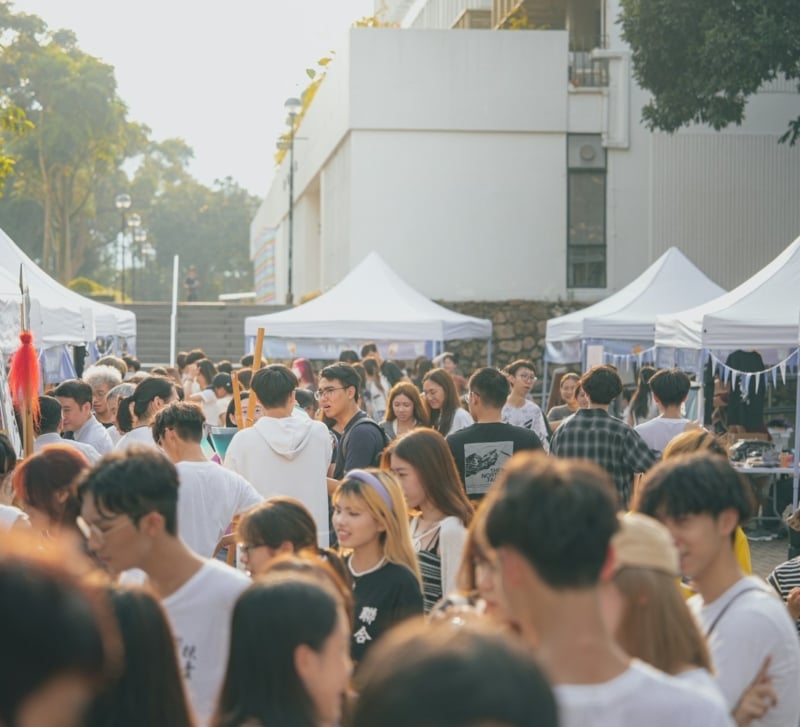
Event venues operate under two distinct traffic conditions: routine daily activity and concentrated arrival periods during scheduled events. A parking lot that feels calm on a weekday afternoon can face sudden surges of vehicles, ride-share drop-offs, vendors, and pedestrian traffic when gates open. Circulation patterns shift rapidly as attendance increases and arrival windows tighten.
Planning for both everyday activity and peak attendance requires infrastructure that adapts without major setup or construction. Removable access controls, flexible parking layouts, defined entry points, and clear pedestrian routes help sites transition smoothly between operating modes. With the right systems in place, staff can adjust circulation quickly while keeping drivers, pedestrians, and service vehicles moving in organized, predictable paths.
Removable Bollards for Flexible Access
Strategic removable bollards placed at key pinch points give a site real control over who can enter and when. A parking aisle that stays closed on normal days can open up for event overflow by pulling a few posts, and pedestrian plazas can temporarily allow vehicle access without adding permanent gates. Service drives can be protected day to day, then opened for scheduled deliveries or vendor load-in without reworking the layout.
Maintenance and storage matter as much as placement because missing hardware can slow down a changeover. Locking mechanisms should match the staff’s tools, and bases need to stay clear of debris so posts seat properly after removal. When bollards are mapped on the site plan and each change is tied to a specific use, teams can switch patterns quickly without guesswork.
Dynamic Parking Layouts
Parking layouts that support daily demand can struggle when event arrivals occur in concentrated waves. Flexible stall markings allow parking areas to expand during high attendance while preserving clear driving lanes. Overflow zones positioned along lot edges reduce mid-lot circling and keep pedestrians closer to planned walking routes. Temporary rows can be placed within wide parking bays where turning space remains consistent.
Circulation patterns must remain stable between routine and event configurations. Lane direction, width, and exit routing should stay consistent so drivers recognize the pattern even as capacity increases. Pre-event drive-through checks help confirm stall counts, turning clearance, and route visibility. Traffic observations from previous events can guide small layout adjustments that improve flow at the next gathering.
Controlled Entry Points
Entry gates that work fine with light daily traffic can back up quickly when cars arrive in waves. Extra approach space and more than one lane at the primary gate reduce stacking onto nearby roads and keep turning movements cleaner. Dedicated lanes for prepaid parking, ride-share drop-off, and general admission keep drivers from cutting across each other at the last second.
Clear sign placement matters most before drivers reach the split, not at the booth. Staff and vendor entrances should be separate from public queues so delivery trucks and credentialed vehicles do not block attendee flow. Portable message boards and lane cones can reinforce the same routing used on normal days, with only the volume changing, which helps keep arrival times steadier for each group.
Pedestrian Flow Management
Foot traffic spikes between the lot and the doors when attendance jumps, and the busiest points are usually curb cuts, crosswalks, and plaza edges. Marked pedestrian corridors help by giving people one obvious route to follow instead of spreading across drive lanes. Crosswalks need to be highly visible from a driver’s approach distance, with stop lines set back far enough to keep turning cars from rolling into the walk zone.
Physical separators like temporary fencing, water-filled barricades, or cone lines keep the walking space intact when crowds bunch up. The separators should create a straight path to entrances and avoid tight pinch points that slow movement or block accessibility. When the walk route is fixed, drivers can be directed with fewer adjustments and less confusion near the building.
Service and Emergency Routes
Service drives and fire lanes must remain unobstructed regardless of event setup changes. Permanent pavement markings, reflective markers, and curb paint help maintain visibility in low light or crowded conditions. Temporary equipment such as tents, cones, and queue barriers should remain outside marked clearance zones so emergency vehicles retain full access along designated routes.
Loading areas and service doors require turning space that accommodates larger delivery and response vehicles. Parked cars or temporary staging can quickly reduce maneuvering clearance if boundaries are not defined. Pre-event inspections allow staff to confirm access widths, gate openings, and approach paths before public traffic increases. Defined vendor routes prevent service vehicles from crossing pedestrian corridors or entry queues.
Managing traffic at event venues becomes easier when the site is designed to handle both normal operations and peak attendance. Infrastructure that adapts between those conditions helps maintain clear circulation without rebuilding the layout each time attendance increases. Removable bollards allow access points to open or close as traffic patterns change, while flexible parking layouts expand capacity without disrupting driving lanes. Organized entry points reduce last-minute lane changes, and marked pedestrian routes guide people safely from parking areas to entrances. Protected service drives and fire lanes keep deliveries and emergency access reliable. When changeover steps are documented and rehearsed, staff can adjust the site quickly and keep traffic moving predictably.