
Fonts Used by Top Tech Brands in 2025 (With Free Alternatives)
When you think of Twitter, Airbnb, or Signal, you probably recall more than just their logos—you remember a vibe, a style. That impression isn’t just about color or layout. Fonts, often overlooked, play a major role in shaping how we perceive a brand. They whisper identity, professionalism, and trustworthiness before a single word is read.
As a freelance designer, understanding which fonts top tech companies use—and how to legally and affordably replicate those styles—is more than just a neat trick. It’s a competitive edge. But there’s more. How you embed, source, and share fonts can introduce hidden risks to your creative workflow—some of them involving cybersecurity risks designers often overlook, and licensing issues you might not have considered.
In this guide, we’ll walk through the fonts defining top tech brands in 2025, explore free alternatives that mirror their aesthetic, and flag some critical tips for staying both creative and secure.
Why Font Choice Still Defines Tech Branding
Tech companies don’t just pick fonts at random—they choose typefaces that align with their values, product experience, and audience expectations. It’s intentional, strategic, and subtle.
Take Airbnb, for example. Its clean, humanist font reflects a modern, friendly brand that feels accessible yet premium. Discord, on the other hand, uses a more character-rich font that feels playful but structured—a fit for its Gen Z/gamer-heavy audience. These choices go beyond aesthetics; they’re part of a visual language designed to signal trust, tone, and innovation.
As a freelance designer, knowing which fonts these brands use—and why—helps you align your own work with current design trends, pitch ideas more effectively, and offer clients deeper value.
Can Fonts Be a Cybersecurity Risk? What Designers Need to Know
You might not expect fonts to pose security concerns—but how they’re sourced, embedded, and shared can open unexpected vulnerabilities in your workflow.
For instance, many designers rely on third-party font CDNs like Google Fonts or Adobe Fonts. While convenient, these services send requests from the user’s browser to the CDN’s server. That request can contain user IP data, which may conflict with GDPR or other privacy regulations—especially when used without consent or clear disclosure.
Then there’s the issue of pirated fonts. You might find a slick font on an obscure site and think, “Perfect!” But if it’s not licensed properly—or worse, bundled with malicious code—you could compromise both your system and your client’s brand.
To stay secure:
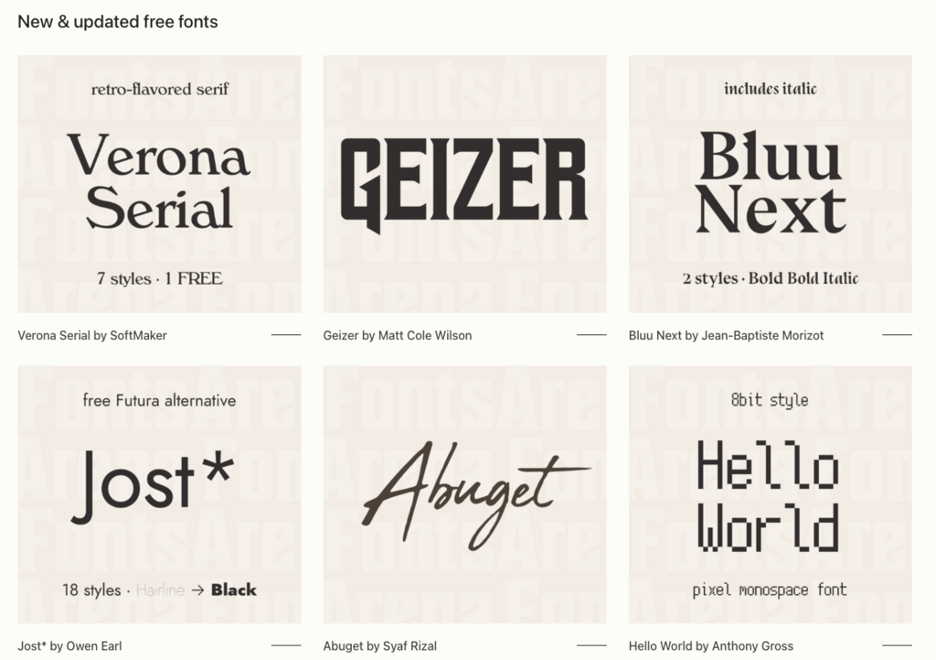
- Stick with trusted sources (like FontsArena’s free font library).
- When possible, self-host fonts instead of relying on CDNs—especially for privacy-first projects.
- Always check licensing and hash-verify font files from lesser-known websites.
- Use a free VPN on your PC when sourcing fonts or collaborating online, especially over public Wi-Fi.
These small steps help ensure you’re not just designing beautifully—but responsibly.

What Fonts Are Top Tech Brands Using in 2025?
Let’s break down the fonts used by some of the most recognizable tech brands in 2025. Some have shifted slightly from past years, while others have stayed true to their visual roots.
🔹 Twitter (X)
Twitter, now rebranded as X, continues to use variations of SF Pro—Apple’s system font—along with custom tweaks. The result is modern, readable, and platform-consistent across mobile and desktop.
Why it works: Clean lines, strong hierarchy, and solid rendering across devices.
🔹 Signal
Signal sticks with Roboto, a sans-serif font originally designed for Android. It’s open-source, efficient, and globally legible.
Why it works: High readability, especially for multilingual communication, plus open licensing.
🔹 Airbnb
Airbnb uses Circular, a geometric sans-serif known for its friendliness and warmth. It’s highly legible but with subtle personality in the letterforms.
Why it works: Balances brand approachability with professionalism.
🔹 Discord
Discord moved from Whitney to Ginto Nord, a font with quirky, rounded shapes and playful proportions that better reflect its evolving community-driven platform.
Why it works: Stands out in a sea of sans-serifs, adds uniqueness without sacrificing usability.
🔹 ProtonMail
ProtonMail, a privacy-first email service, uses Open Sans in most of its public interfaces—a reliable, legible, and open-source font that aligns with its transparency and security values.
Why it works: Functional, neutral, and performance-optimized.
🔹 Bonus Mentions:
- Slack: Lato
- Dropbox: Sharp Grotesk
- Notion: Inter
Each of these brands aligns its font with its voice, functionality, and audience expectations.
Free Alternatives to Popular Brand Fonts
Want to replicate the aesthetic of these major players—without breaking the bank or violating licenses? Here are free, open-license alternatives that get you close in look and feel:
| Brand Font | Free Alternative | License |
| Circular (Airbnb) | Work Sans | Open Font License |
| Ginto (Discord) | Manrope | SIL Open Font License |
| SF Pro (Twitter) | Noto Sans / Inter | Open Source |
| Whitney | Muli or Public Sans | Open Source |
| Roboto (Signal) | N/A – already free | Open Source |
| Sharp Grotesk | Space Grotesk | Open Source |
| Inter (Notion) | Inter (free) | Open Source |
| Lato (Slack) | Lato (free) | Open Source |
Tip: Always confirm font licenses on the publisher’s site or repositories like Google Fonts or FontsArena’s curated font lists to ensure you’re covered for commercial use.
Using These Fonts Effectively in Your Projects
Knowing what fonts brands use is just the beginning—using them well is where the design work begins.
Think about context. A font that looks great in a tech startup’s homepage hero may fall flat in a pitch deck. Here are a few ways to get the most from brand-style fonts:
- Pair smartly. Combine geometric sans-serifs like Work Sans with a humanist serif like Merriweather to add depth and contrast.
- Keep readability in mind. Inter or Noto Sans work better at small sizes than display-oriented fonts like Manrope.
- Use font tools. Platforms like Figma, Adobe Fonts, and Google Fonts have live previews that help you test combinations quickly.
- Be consistent. Stick to 2–3 font weights and don’t mix too many families unless you have a clear style system.
A strong visual system often relies on subtle constraints—not a wild font buffet.
Securing Your Design Process as a Freelancer
As a freelance designer, your tools and files are your business. Yet too many designers still use unsecured Wi-Fi, download random font files, or share client drafts through open links. That’s risky.
Here’s how to build a more secure design workflow:
- Use a VPN while sourcing fonts, especially on public Wi-Fi. It adds an encryption layer that protects your traffic from potential eavesdropping.
- Self-host fonts when building web-based mockups to avoid external data calls.
- Version your work with platforms like GitHub or Notion (with encryption) to avoid data loss or unauthorized edits.
- Avoid pirated font sites. Fonts that seem “free” might contain malicious code or get you into licensing trouble down the road.
If you’re not sure where to safely download professional fonts, FontsArena’s hand-picked font collections are a great place to start.
Final Thoughts: Be Inspired, Not Imitative
It’s easy to fall into the trap of mimicking what big brands do, pixel by pixel. But your strength as a designer isn’t in copying—it’s in curating. Use the fonts tech giants use as inspiration, not instruction.
You now know what brands like Airbnb, Twitter, and Signal are using—and you know how to find free, legal alternatives that protect both your design vision and your professional reputation. Add to that a bit of awareness about how you source and share those fonts, and you’ve got the full toolkit: style, utility, and security.
So go ahead—design with confidence. And if you’re still searching for the right font, FontsArena’s free font directory is ready when you are.