
From Basic Text to Stylish Designs: The Evolution of Online Font Generators
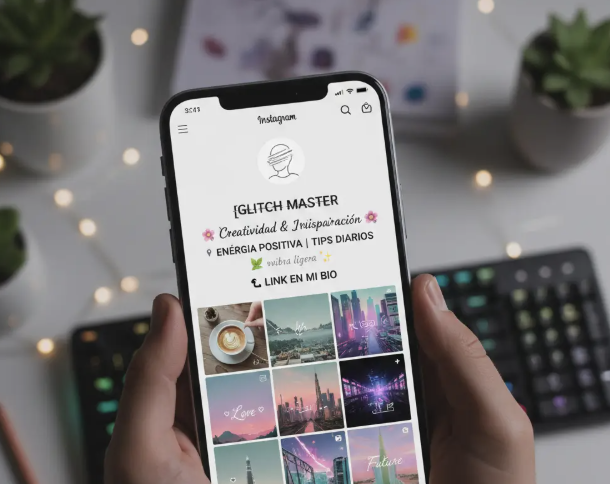
Online font generators have come a long way. What started as simple tools for converting plain text into quirky characters has evolved into sophisticated platforms capable of producing stunning typographic designs. Today, creators, students, social media influencers, and brands use them to express personality, improve readability, and add visual flair to digital content. This evolution reflects broader trends in digital communication—where individuality and visual distinction matter more than ever.
The Early Days of Online Text Generators
In the early 2000s, font generators were extremely basic. Most offered only a handful of ASCII-based styles that imitated handwriting, bubble letters, or blocky typewriter fonts. Their primary purpose was fun rather than design. Users copied and pasted stylized text into chat rooms, forums, or early social media profiles.
Back then, limitations were clear. There was no real customization, no typography logic, and very little support for symbols or Unicode characters. Still, these simple tools sparked a global fascination with transforming text into something expressive.
The Rise of Unicode and the Typography Boom
The introduction and widespread adoption of Unicode transformed the landscape. Suddenly, text generators could draw from thousands of characters—mathematical symbols, geometric shapes, script letters, arrows, bold and italic variants, and even decorative icons.
This breakthrough allowed creators to move beyond playful aesthetics and explore new forms of digital typographic expression. Today’s generators can craft:
- Elegant cursive styles
- Minimalistic sans-serif variants
- Bold and italic text that’s platform-compatible
- Decorative fonts, symbols, and emojis
The expansion of Unicode essentially laid the foundation for the modern design-centric font generator.
The Shift Toward Aesthetic and Branding Purposes
As visuals became central to digital communication, font generators evolved from novelty toys into powerful branding tools. Influencers wanted eye-catching bios. Small businesses needed consistent typography for posts. Gamers customized their usernames with standout characters.
Modern creators now expect more than funky text—they want refined typography that aligns with their style and message. This shift pushed font-generator platforms to offer:
- Cleaner, more professional-looking font presets
- Better compatibility across apps like Instagram, TikTok, Discord, and YouTube
- More extensive decorative options, including pictorial symbols and themed shapes
- Enhanced UX so users can preview and copy text instantly
Aesthetic Diversity: From Cute to Minimalist to Symbolic
One of the most exciting changes in online font generators is the explosion of aesthetic choices. Today, users can choose from styles that communicate mood, identity, or purpose. For example:
1. Cute and Playful Fonts
Rounded shapes, hearts, sparkles, and bubbly designs dominate this category. These are popular among lifestyle influencers, kawaii enthusiasts, and younger audiences.
2. Elegant Script Fonts
Flowy, handwritten scripts give text a sophisticated, personal touch. They’re often used in branding, wedding invitations, or inspirational quotes.
3. Minimalist Fonts
Clean, thin, and modern variations appeal to creators who prefer simplicity and readability.
4. Symbolic and Decorative Fonts
This category has grown the most. Unicode symbols allow for creative alphabets made from arrows, geometric shapes, botanical elements, stars, and more. Tools offering symbolic letter fonts can turn a simple word into an artistic composition.
The diversity available today simply didn’t exist a decade ago.
How Today’s Advanced Font Generators Work
Modern font generators rely on a blend of Unicode mapping, typographic design principles, and interface usability. While they don’t create “new fonts” in the traditional file-format sense, they apply stylistic transformations using alternative Unicode characters that visually resemble different font styles.
A good generator must ensure:
- Cross-platform compatibility: Text should display properly on major apps and devices.
- Readable outputs: Decorative doesn’t mean chaotic.
- Efficient UX: Results update instantly and can be copied easily.
- Visual consistency: Characters in a style set must match in elegance and spacing.
Behind the scenes, this involves curating hundreds of Unicode symbols and grouping them into themed styles that users can generate instantly.
Why People Use Font Generators Today
Font generators now serve a wide range of purposes, from personal expression to professional branding. Some common uses include:
Enhancing Social Media Profiles
Stylish fonts help usernames, bios, and captions stand out. A well-formatted bio can boost engagement and reflect personality at a glance.
Designing Eye-Catching Posts
Creators often pair decorative fonts with emojis and symbols to produce more compelling titles or callouts.
Branding for Small Businesses
Unique text styles help small entrepreneurs create consistent visual identities across posts, banners, and promotional materials.
Gaming, Streaming, and Online Communities
Gamers and streamers use distinctive fonts for usernames, overlays, and chat engagement.
Personal Creativity
Whether writing aesthetic notes, digital diaries, or mood boards, people use font generators to enhance expression.
Tips for Choosing the Right Font Style
Not every style fits every context, so choosing the right generator output is important. Here are a few practical tips:
1. Consider the Platform
Some apps restrict certain Unicode characters. Test your chosen font on the platform where you plan to use it.
2. Prioritize Readability
Highly decorative text looks cool but can be hard to read in long passages. Use them for highlights, not paragraphs.
3. Match the Mood
Elegant script works great for quotes. Minimalistic fonts suit professional content. Playful styles work best for fun or informal posts.
4. Keep It Consistent
Using too many styles at once can look messy. Pick two or three that complement your aesthetic.
Your Go-To Options for Decorative and Stylish Fonts
With so many tools available, the best font generators are the ones that feel intuitive and provide styles that display correctly across different apps and devices. A good generator organizes its Unicode characters well, making it easy to switch between minimal fonts, bold scripts, and decorative symbol-based designs.
Many creators also enjoy experimenting with copy and paste text decorations to add emphasis or personality to their captions, bios, and design projects. Platforms such as tiposdeletrass.com make it easy to explore a wide range of text styles suited for everything from social posts to gaming profiles.
If you’re interested in alphabets built from shapes, arrows, or artistic symbols, you can also find collections of symbolic letter fonts that turn ordinary text into something more visually expressive.
The Future of Font Generators
Looking ahead, font generators will likely incorporate more customization, including hybrid styles, interactive previews, and mobile-first editing tools. As visual communication continues evolving, these tools will play an even larger role in helping people craft distinctive online identities.
Greater accessibility, more language support, and smarter interface design will be central to the next generation of text-styling tools. Ultimately, the evolution of font generators mirrors the evolution of digital culture itself: more expressive, more visual, and more personal.
Final Thoughts
From humble beginnings as simple ASCII novelty tools, online font generators have transformed into essential resources for digital creativity. Their evolution reflects our growing desire to personalize communication and build stronger visual identities online. Whether you’re styling a social media bio, designing content for a brand, or simply expressing yourself creatively, modern font generators offer endless ways to make your text stand out.
Frequently asked questions
1. What is an online font generator?
An online font generator is a tool that transforms regular text into stylized versions using Unicode characters, decorative symbols, or aesthetic font variations. Users can copy and paste the results directly into social media posts, bios, gaming profiles, and other digital spaces.
2. Do font generator styles work on all platforms?
Most styles work well on major platforms like Instagram, TikTok, Twitter, Discord, and YouTube. However, extremely decorative or symbol-heavy fonts may not display correctly on older devices or certain apps. It’s always best to test the text before publishing.
3. Can I use fancy fonts for branding or business content?
Yes. Many creators and small businesses use stylish fonts to give their banners, posts, and product descriptions a unique visual identity. Minimalist, bold, or elegant script fonts work especially well for branding because they’re easy to read and consistent across platforms.
4. What are the advantages of using Unicode-based fonts?
Unicode fonts are widely supported, easy to copy and paste, and offer a huge range of characters—from cursive letters to geometric shapes and arrows. This makes them ideal for aesthetic designs and creative text styles, without requiring the download of special font files.
5. How do I choose the right font style for my content?
Choose a style that fits the tone and purpose of your message. Bold or outlined fonts work well for emphasis, while script fonts are great for quotes or elegant posts. Decorative or symbolic styles are best used sparingly to highlight specific words or add personality.