
How Photographers Can Check If Their Photos Are Stolen: 5 Easy Methods
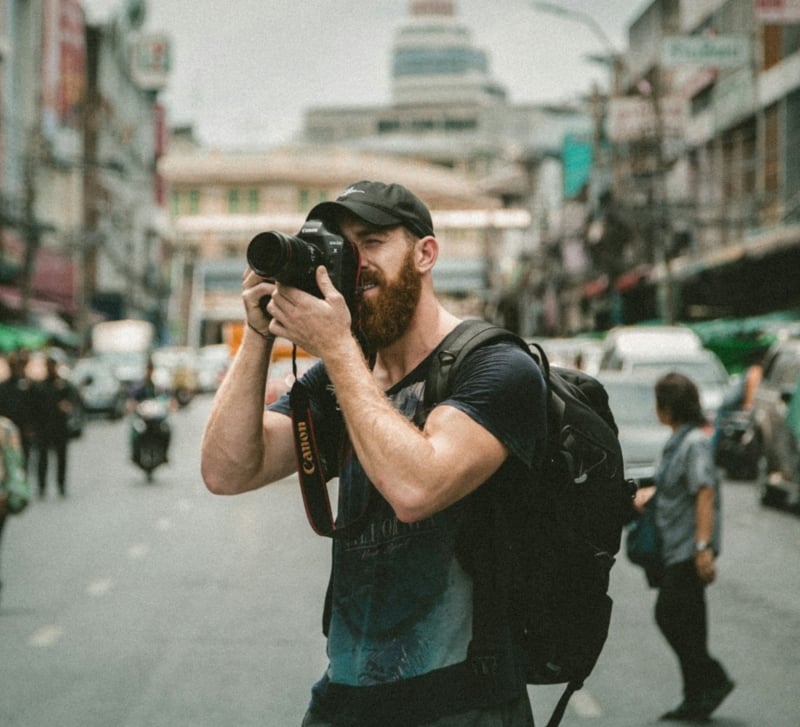
Sometimes, you spend hours capturing the perfect shot, only to see it floating online without credit or permission.
Honestly, if you are a photographer, you will surely agree that nothing can be more frustrating than this, right?
Every stolen image chips away at your effort and authority as a photographer.
Therefore, if you want your hard work to actually matter, you have to take the right measures to effectively protect your work from theft and take full control over how it is used and shared, making sure your creativity gets the respect it deserves.
5 Ways Photographers Need to Learn To Keep Track of Their Images
Here are some ways you can easily keep track of your images online and quickly spot if someone uses them without your permission.
1. Reverse Image Search
Using AI reverse image search for image verification and tracking is indeed the smartest, most efficient, and most accurate way for a content creator or photographer to adopt.
This tool helps users track where an image appears online, track its origin, and also find similar visuals.
All you need to do is just upload the image or its URL to the tool. The tool will instantly scan it and compare it with other sources online to find potential matches.
Even if the image has been altered or cropped, the AI-driven algorithms of reverse image search smartly matches its patterns with existing pictures and shows relevant results instantly.
Therefore, as a photographer, you can surely use the tool to effectively track where your photo first appeared and where it spread later. It allows you to quickly spot websites using your image without permission.
2. Use Dedicated Image Tracking Services
If you are a professional photographer who constantly publishes images and concerned about image theft, then instead of managing everything manually, it’s best to use the smart image monitoring services to automatically monitor your visuals.
These tools scan the internet regularly and notify you when they detect your images.
For this, you can take services from platforms such as Pixsy and Copytrack to get the most accurate results.
The best thing about these tools is that you only have to upload your portfolio once. Their system will automatically start tracking your image and keeps searching for similar visuals online in the background.
As soon as they find any match, they will instantly notify you and show where the image appears and how it is used.
Thus, the method is indeed more efficient, convenient, and reliable than the manual checks. Moreover, it helps you even catch the infringements you might miss otherwise.
3. Check Metadata and Copyright Information
Metadata is like the fingerprint of any image. It is basically the hidden information that is embedded in image files. This information usually reveals key details about any image, such as the creator’s name, copyright notice, and camera information.
Wondering since it’s hidden, how can you possibly access it, right?
Programs such as Adobe Lightroom and Photoshop let you add and read this data.
Therefore, if you doubt that your image has been used on another platform without your permission, it’s best to download the image and then inspect its metadata.
Notably, if the thief hasn’t removed it yet, then this information can really help you prove your copyright and take immediate and strict actions against the infringer.
4. Monitor Social Media Platforms
Image theft mostly happens when you share your images on social media. People tend to repost the visuals they like without giving the creator any credit, and even without taking their consent.
However, the good thing is, platforms such as Instagram, Facebook, and Pinterest give its users the ability to easily track any visuals just by using the search bar.
Therefore, if you think that someone is using your intellectual property without your permission, then just search your name, brand name, or watermark text inside platforms to easily trace where exactly these visuals are displayed.
Not only this, but you can also search them using niche-related hashtags.
Regular checks help you catch misuse early. Early detection makes removal easier. Most platforms have copyright reporting tools. Once you confirm theft, you can file a takedown request directly.
5. Set Up Google Alerts for Your Name or Brand
Google Alerts is a simple monitoring tool. It is designed for content creators who want to keep track of their visuals. All you need to do is enter your name, studio name, or unique photo titles.
The tool will save your information and notify you when any of those terms appear on new web pages.
These arrangements are indeed helpful in situations when someone credits you but uses the photo without permission.
Not only this, but it can also help you discover blog posts or articles using your images.
As soon as the tool traces any new mention, it will instantly send an alert message directly to your email.
Notably, this method can’t find every stolen photo; it is only helpful for adding an extra layer of protection.
Tips For Photographers To Effectively Keep Track of Their Images Online
Now that you know the professional ways to track your images online, here are some tips to help you get accurate results every time. Keep reading to make sure your work stays protected.
- Use Unique File Names & Titles – Give each image a descriptive, unique name to make online searches and tracking easier.
- Keep a Portfolio Log – Maintain a spreadsheet or document tracking where and when each image is published.
- Add Subtle Watermarks – Place small, discreet watermarks or logos to help identify your work if it’s shared without permission.
- Prioritize Your Most Valuable Images – Focus monitoring and protection efforts on high-demand or commercial photos.
- Monitor Niche Platforms & Communities – Check blogs, forums, and social media groups where your style of photography is popular.
- Engage Your Audience – Encourage followers to alert you if they spot your images being misused.
- Document Everything – Take screenshots, note URLs, and record timestamps whenever you detect unauthorized use to support takedown actions.
Conclusion
Protecting your images isn’t just about catching theft—it’s about staying in control of your work and reputation. Awareness, vigilance, and the right approach give you the edge over misuse. Every photo you create holds value, and taking steps to monitor it ensures that value is recognized and respected. Treat image protection as part of your creative process, not an afterthought, and you’ll safeguard your work while focusing on what matters most: making great photography.