
How Solar Modules Lower Installation Costs & Boost Savings
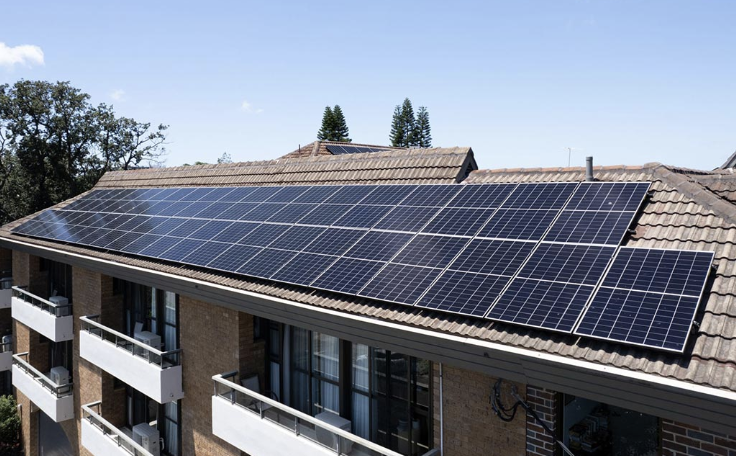
Many homeowners today are looking for ways to lower their energy bills, and solar energy seems like an obvious solution. However, one of the biggest concerns people have is the high upfront cost of installing solar panels. The initial investment can be daunting, and many wonder if it’s really worth it in the long run.
This article will show you how solar modules can help cut down installation costs and boost your savings over time. We’ll explain how these panels work, the factors that influence cost, and how you can save money on your energy bills in the years to come. By the end, you’ll see how solar modules can be a smart, cost-effective choice for your home.
Understanding Solar Modules: A Brief Overview
Before we dive into how solar modules can save you money, it’s important to understand what they are and how they work. At their core, solar modules (often referred to as solar panels) are devices that convert sunlight into electricity. This technology has been around for decades and has continuously improved to become more efficient and affordable.
Definition of Solar Modules
Solar modules are made up of many smaller units called photovoltaic (PV) cells. These cells are the heart of the solar panel and are responsible for converting sunlight into electricity. When sunlight strikes the photovoltaic cells, it energizes electrons, generating an electric current. This process is known as the photovoltaic effect, which is the foundation of solar power.
How Solar Modules Work
Here’s a simple breakdown of how solar panels work to power your home:
- Step 1: Solar panels capture sunlight through their photovoltaic cells.
- Step 2: The photovoltaic cells convert sunlight into direct current (DC) electricity.
- Step 3: An inverter then converts this DC electricity into alternating current (AC) electricity, which is used to power your home’s appliances and electronics.
- Step 4: Any excess electricity generated can be stored in batteries or sent back to the power grid for credit.
The Role of Solar Modules in a Solar Energy System
Solar modules are a key component in a solar energy system. Without them, you wouldn’t be able to generate your own electricity from the sun. These panels work alongside other parts of the system, such as inverters, batteries, and the electrical grid, to provide you with clean, renewable energy. Whether you’re looking to reduce your reliance on the grid or cut down on your electricity bills, solar modules are the foundation of your solar energy setup.
By understanding how solar modules function, you’ll get a clearer picture of how they can lead to savings and reduce your long-term energy costs.
The Impact of Solar Modules on Installation Costs
The cost of installing solar panels is often one of the biggest concerns for homeowners. While it might seem like a significant investment at first, solar modules offer several ways to reduce these costs, making it easier for more people to make the switch to solar energy.
Cost Breakdown of Solar Modules
The cost of a solar installation typically includes several components, each contributing to the overall price. Here’s a quick breakdown of the main cost elements:
- Solar Panels: These form the bulk of the cost. The price depends on the type, efficiency, and wattage of the panels you choose.
- Inverter: Converts the DC electricity produced by the panels into AC electricity used in your home.
- Installation Labor: The cost for professionals to install and set up the system, ensuring everything is connected safely.
- Additional Equipment: This includes the mounting system and wiring required for the installation.
Technological Advancements Reducing Costs
Thanks to advancements in solar technology, the cost of solar panels has decreased over time. Innovations in manufacturing processes have led to cheaper production costs, and improvements in panel efficiency mean fewer panels are needed for the same energy output. This reduction in production and installation costs helps make solar energy more affordable.
Government Incentives & Rebates
Incentives and rebates offered by the government can also help reduce the upfront cost of installing solar modules. For example, the Solar Investment Tax Credit (ITC) allows homeowners in the U.S. to claim a tax credit for up to 30% of the installation cost. In addition, many states and local governments provide their own rebates and incentives to further reduce costs.
How Solar Modules Contribute to Long-Term Savings
While the upfront cost of solar panels can be high, the long-term savings can quickly make it worthwhile. Solar modules help reduce electricity bills and provide a solid return on investment (ROI) over time.
Energy Savings on Electricity Bills
By generating your own electricity, you reduce what you pay to the utility company. The savings add up over time, helping to pay off the initial investment. The more energy you use, the more you’ll save, and with a lifespan of 25-30 years, solar panels continue to provide savings for decades.
Return on Investment (ROI)
The ROI for solar panels is typically realized within 7-10 years, depending on your location and energy usage. After that, your electricity is virtually free, offering years of savings.
Net Metering: Sell Excess Energy to the Grid
Many homeowners can take advantage of net metering, where excess energy produced by solar panels is sent back to the grid. This can reduce your bill further or even earn you credits or payments from the utility company.
Energy Independence and Long-Term Savings
Solar energy reduces reliance on utility companies and protects you from rising energy costs. After the initial payback period, your energy costs drop significantly, providing financial security for the long term.
Factors That Influence Savings from Solar Modules
While solar modules can save you money, several factors can impact how much you save. These factors include your location, energy usage, and the efficiency of your solar system.
Climate and Location
The amount of sunlight your area receives plays a significant role in how much energy your solar panels can generate. The sunnier the region, the more energy your panels will produce, leading to higher savings.
- Sunny Areas: More sunlight means more energy, increasing savings.
- Cloudy Regions: Solar panels still work in cloudy regions, but energy production may be lower.
Energy Usage and Solar System Size
Your household’s energy consumption directly affects the size of the solar system you need. The more electricity you use, the larger the system required to cover your needs and generate savings.
- Match System Size: A system too small won’t cover your needs; one too large can increase costs unnecessarily.
Solar Panel Efficiency
Higher-efficiency solar panels produce more power with fewer panels, which can reduce installation costs and increase savings in the long run.
- Higher Efficiency: More energy with fewer panels, maximizing savings.
Maintenance and Longevity: Reducing Future Costs
One of the biggest advantages of solar modules is their low maintenance and long lifespan, which keeps future costs to a minimum.
Low Maintenance Requirements
Solar panels require minimal maintenance. Occasional cleaning and regular performance checks are enough to keep them running efficiently. This low-maintenance factor means less money spent on repairs and upkeep.
- Minimal Upkeep: Cleaning and inspections are simple and cost-effective.
Solar Panel Lifespan
Modern solar panels can last 25-30 years, continuing to generate savings for decades. Even after their lifespan, they can still function at a lower efficiency, meaning your investment continues to pay off.
- Long Lifespan: 25-30 years of power generation, with many panels still performing well after that time.
The Role of Solar Module Innovation in Reducing Costs
Solar technology is continuously evolving, and these innovations contribute to reducing costs while improving efficiency, making solar modules even more affordable for homeowners.
Efficiency Improvements
With advancements in solar panel technology, newer panels are much more efficient than their predecessors. This means that fewer panels are required to generate the same amount of electricity, reducing both installation costs and space requirements.
- Improved Efficiency: Fewer panels, same energy output, lower costs.
Bifacial Solar Panels
Bifacial solar panels capture sunlight from both the front and the back, increasing energy production without requiring additional space. This technology boosts the overall energy yield, leading to higher savings.
- More Energy from Both Sides: Increased energy production with no extra footprint.
Solar Shingles and Other Innovations
Solar shingles and other new technologies are making solar energy more integrated into homes. These innovations can reduce installation complexity and aesthetic concerns, making solar energy an even more viable option for homeowners.
- Solar Shingles: A sleek, integrated alternative to traditional panels that blends into your roof.
Common Myths About Solar Module Costs and Savings
There are many misconceptions about solar panels that prevent homeowners from considering them as a viable option. In this section, we’ll debunk some common myths related to the costs and savings of solar energy.
Myth 1: Upfront Costs Are Too High
Many people think solar panels are too expensive to install. While there’s an initial investment, government incentives, lower costs of panels, and long-term savings on electricity bills make solar much more affordable.
- Reality: With incentives and savings, solar is more affordable than ever.
Myth 2: Solar Panels Don’t Work in Cloudy Areas
Another myth is that solar panels only work in sunny areas. In reality, solar panels still generate energy in cloudy or less-sunny regions, though at a lower rate than in sunnier locations.
- Reality: Solar panels can generate electricity even on cloudy days although at a lower rate.
Myth 3: Solar Is Only Worth It for Large Homes
Some believe that solar is only suitable for larger homes with higher energy needs. However, solar systems can be customized to fit homes of any size, making it a cost-effective solution for a variety of households.
- Reality: Solar can be tailored to fit any home size and energy needs.
Final Words
Many homeowners struggle with the high upfront cost of solar panel installation, making it hard to justify the switch to solar energy. However, as we’ve discussed, solar modules offer several ways to reduce these costs, from technological advancements to government incentives. By understanding these factors, you can make a smart investment that leads to long-term savings.
The key takeaway is that solar panels are not just an expense—they are an investment that can significantly lower your energy bills and provide savings for decades. If you’re considering solar energy, now is the perfect time to explore options and take advantage of available incentives. Feel free to share your thoughts in the comments, and don’t forget to explore more related content on how solar can transform your home!