
How to Actually Eat Well While Traveling (Without Losing Your Mind)
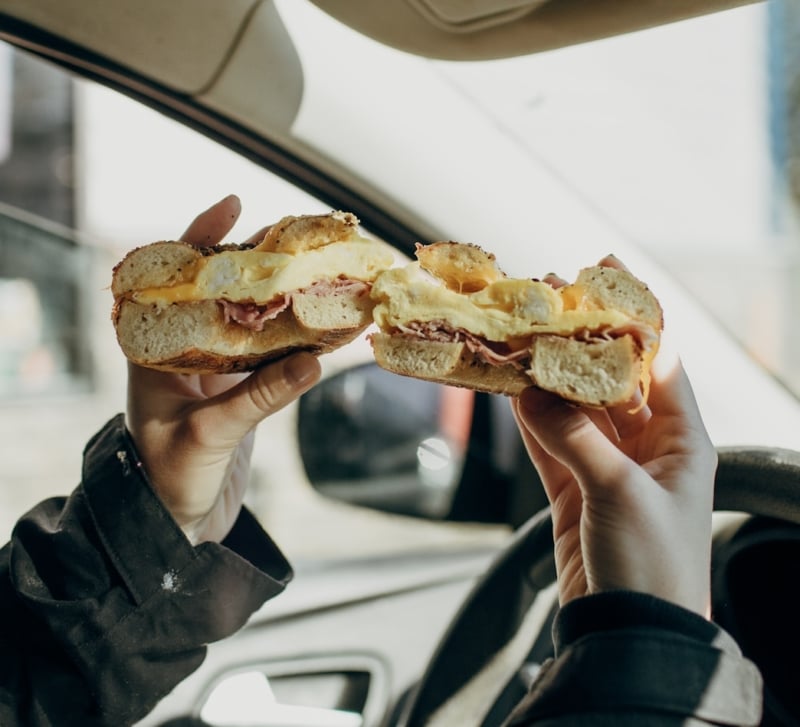
Here’s what nobody tells you about eating healthy while traveling: the problem isn’t willpower. It’s infrastructure. Your kitchen is gone. Your fridge is gone. The grocery store you know by heart, where you can grab stuff on autopilot, is a thousand miles behind you. And what’s in front of you is a gas station hot dog rotating under a heat lamp and a vending machine that hasn’t seen a vegetable in its entire existence.
That’s the real challenge. Not the desire to eat well, but the sheer lack of easy options when you’re between places. Whether you’re on a work trip, a family vacation, or in the middle of relocating your entire life to a new state, the food situation on the road tends to go sideways fast. And most advice about it is weirdly unhelpful. “Just pack healthy snacks!” Sure. But what about day three, when the trail mix is gone and a drive-through is the only thing between you and a very cranky car full of people?
The people who struggle most with this tend to be the ones dealing with longer disruptions. A weekend trip? Manageable. But families in the middle of long-distance moving or cross-country relocations are sometimes eating out of coolers and fast food bags for a week or more. Kids get cranky. Adults get sluggish. And by the time you arrive at the new place, your body feels like it’s been running on fumes and gas station coffee. So it’s worth having an actual plan, not just good intentions.
The Snack Strategy That Actually Works
Most people underpack snacks. That sounds obvious, but it happens all the time. You throw a bag of almonds and an apple in your carry-on and think you’re set. Then six hours later you’ve eaten all of it, and you’re still in the air with nothing left. The Academy of Nutrition and Dietetics recommends packing a mix of nonperishable snacks like dried fruit, whole-grain crackers, nut butters, and protein bars. The key is variety. If you bring five of the same thing, you’ll get bored by snack two and end up buying Doritos at a rest stop out of sheer frustration.
The trick that works best, from personal experience and from what registered dietitians keep saying, is to treat your snack bag like a tiny pantry. You want something salty, something sweet, something with protein, and something with fiber. That covers most cravings. Jerky, dark chocolate squares, individual hummus cups with baby carrots, and cheese sticks if you’ve got a cooler. It sounds like a lot, but it takes maybe ten minutes to throw together before you leave, and it saves you from making regrettable choices at 2 PM when your blood sugar is tanking.
Airport Food Is Working Against You (But Not Impossible)
Airport food has gotten better in the last decade or so. Some terminals now have actual restaurants with actual vegetables. But the default options, the stuff that’s cheap and easy to grab while sprinting to your gate, are still mostly carb-heavy, fiber-light, and designed to be eaten in about four minutes.
A few things that help: eat before you get to the airport if you can. Not a huge meal, just something with protein and fiber so you’re not starving by the time you clear security. If you do need to buy food inside, look for grilled chicken wraps, grain bowls, or pre-made salads with dressing on the side. Fruit cups are usually overpriced, but they exist. And water. Bring an empty bottle and fill it after security, because dehydration makes everything worse, including your ability to make good food choices.
The bigger airports, think Denver, Atlanta, and LAX, often have a farmers market-style kiosk or a juice bar tucked somewhere between the Cinnabon and the Hudson News. They’re not always easy to find, but they’re there.
Road Trips and the Cooler Problem
Road trips are either the best or worst scenario for eating healthy, depending on how much prep you did before pulling out of the driveway. A packed cooler with sandwich fixings, cut veggies, yogurt cups, and fruit can keep a family fed for two or three days pretty easily. Without that cooler, you’re at the mercy of whatever’s visible from the highway exit.
And look, sometimes fast food is going to happen. That’s fine. The goal isn’t perfection. It’s just making the decent choice slightly more often than the terrible one. If you end up at a drive-through, grilled options exist on most menus now. Side salads exist. Water exists instead of a 40-ounce soda. Small choices that don’t feel like much in the moment add up over a five-day drive.
One thing a lot of families overlook: grocery stores along the route. You don’t have to buy a week’s worth of groceries. Just stop in, grab some bananas, a rotisserie chicken, and a bag of pre-washed salad greens, and you’ve got a legitimate meal for a fraction of what a restaurant charges. Eat it at a rest area picnic table or even in the car. It’s not fancy, but it works.
When You’re Traveling With Kids
Kids make everything harder. That’s not a complaint, just a fact. They get hungry at weird times, they’re picky, and they have strong feelings about chicken nuggets. The CDC’s guidance on healthy travel with families suggests packing fruits, vegetables, and unsalted nuts as go-to travel snacks and planning physical activity breaks at rest stops. It’s straightforward advice, but it holds up.
The real-world version looks more like this: let kids pick one treat per day, but pair it with something nutritious. Apple slices with peanut butter before the gummy bears. A cheese stick and some crackers before the cookies come out. You’re not banning junk food (good luck enforcing that in a car for eight hours); you’re just front-loading the good stuff so they’re not running entirely on sugar.
Also, involvement helps. Let them help pick fruit at a grocery stop. Let them assemble their own wraps at a rest area. It sounds small, but giving a kid ownership over their food, even on the road, tends to reduce the meltdowns and increase the chances they’ll actually eat what’s in front of them. Some parents have started looking into services that offer new meal options designed specifically for kids, which can take some of the guesswork out of feeding picky eaters, whether you’re settling into a new city or just trying to get back on track after a week of highway food.
The Relocation Scenario Nobody Plans For
Vacation travel gets all the advice. But moving across the country? That’s a totally different food situation, and almost nobody talks about it. You’re not relaxing. You’re stressed. You might be sleeping in hotels for multiple nights and eating out for every meal, and your kitchen is packed on a moving truck two states away.
The best approach is to book accommodations with a kitchenette or at least a mini-fridge. Even a microwave changes the game. You can heat up soup, make oatmeal, or warm up leftovers from a grocery store deli. It’s not gourmet, but it keeps you from eating restaurant food for every single meal, which gets old fast and adds up even faster.
For the driving days themselves, keep a stocked cooler in the car and plan your stops around towns where you can restock. Gas stations in the middle of nowhere aren’t going to have what you need, but a Walmart or Target along a major route will. Twenty minutes in a store can set you up for the next day and a half.
The Hydration Thing (Yes, Again)
Everyone says drink more water when you travel. It’s repeated so often that it’s become background noise. But there’s a reason it keeps coming up. Dehydration while traveling is genuinely common, and it messes with your energy, your mood, your digestion, and your ability to tell the difference between hunger and thirst. A lot of people eat when they’re really just thirsty, especially in dry airplane cabins or air-conditioned cars.
Bring a reusable bottle. Fill it constantly. Add fruit to it if plain water bores you. This is probably the single easiest healthy habit to maintain on the road and the one with the most immediate payoff. You’ll feel better within hours.
It Doesn’t Have to Be All or Nothing
The worst nutrition advice for travelers is the kind that demands perfection. You’re not going to eat clean for a seven-day road trip. Some meals will be less than ideal, and that’s okay. The point isn’t to stress over every food choice. It’s to have enough decent options available that the default isn’t always the worst one.
Pack before you leave. Stop at grocery stores instead of only restaurants. Drink water like it’s your job. Let the kids have some say in what they eat. And give yourself a break when things go sideways, because they will. Eating well on the road isn’t about discipline. It’s about making the easy choice a slightly better one, more often than not. And honestly? That’s enough.