
How to keep composure when the crypto market is down
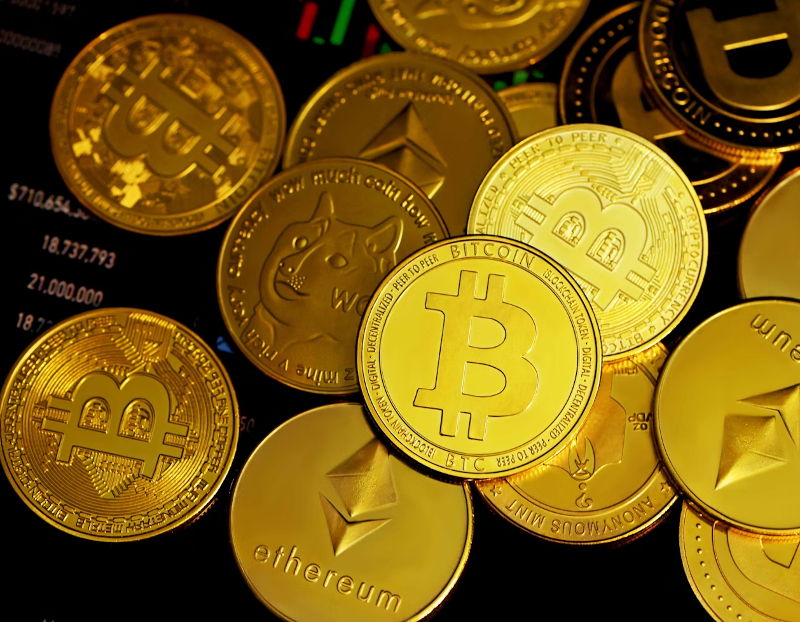
If you’re familiar with crypto, you’re likely accustomed to all the tumult within the market. Just weeks ago, the market was celebrating new all-time highs for the industry’s top cryptocurrency, a price increase that spread to the broader market and lifted multiple other cryptocurrencies. Euphoria, bullish chatter, endless tweets, and green candles pretty much summed up the moment. Fast forward to today, and the same investors who were head over heels – plus the new wave of investors who have just recently engaged with crypto – are reeling over what has been described as the biggest liquidation ever in crypto. In short, the newest tariff on Chinese merchandise and export controls on “critical software,” which will be enforced on November 1, spooked global markets and triggered a surge in risk-off sentiment.
If you’re one of those allured by the potential demonstrated by the crypto market, who finally gained the courage to invest, only to wish they hadn’t gone through with it, this article is for you. The lesson has always been loud and clear: invest only what you can afford to lose and don’t panic-sell when the market enters a bad mood. But how can you cling to an asset that underperforms? How do you achieve that rock-solid discipline you need to stay afloat and yield returns when the market eventually recovers?
First, you understand. Then you react
One of the best ways to stay grounded and composed when seeing your portfolio’s value temporarily drop is to understand what’s happening. Crashes like the one we’re covering aren’t usually the consequence of a single event, but a consequential effect of more factors combined, from political tension to market mechanics and from journalism headlines to macro shocks. This means that when the charts turn red, it’s not that you’ve made a wrong decision by investing – often, it’s just the market doing what it knows best: shooing the impatient and rewarding the composed.
When you don’t control your fear, it only intensifies, and makes you take a regretful stand.
The crash summed up
Speaking of understanding: the latest crypto crash unfolded like a chain reaction, with the fresh U.S. tariffs on Chinese goods sending shockwaves through global markets and prompting investors to sell to mitigate the growing risk of further losses. That shock collided with a market full of leveraged positions that’s accustomed to investors borrowing money to increase their investment size in order to earn bigger profits – even if this boosts loss risks, too. Falling prices triggered forced liquidations and margin calls, resulting in more and bigger sales.
As fear monopolized the market, panic selling intensified the fall, creating a sharp flash crash that sent BTC, ETH, XRP, and other huge cryptos tumbling in hours before the market found some equilibrium again. ETH, for instance, lost around 5.6%, slipping just below $3,2K, while Bitcoin shed $10K. On the same day, Solana, which took a harder hit than the market leaders, lost around 7%. Cardano and Avalanche tumbled in sync, parting ways with the hard-earned gains gathered over the past weeks.
Emotions can hit harder than charts
Bear markets aren’t dreadful only because of the value that coins lose – it’s about the sizable audiences that sell out of panic. Numbers change and charts can turn, but the regret felt during the next bull market might linger. It’s normal to wonder if you’ll get to live another uptrend. But until then, it’s also wise to remember all the magical ways in which cryptos hit the ground just to touch the sky again.
The mind can be your best ally or enemy, depending on how you train it. During difficult moments, it forgets the bigger picture, zooming in on the empty part of the glass, and the immediate pain. Markets never move in straight lines, because this would mean constantly increasing demand and consequential value, which contradicts the very rule of supply and demand. The crypto space especially has lived through multiple wicked cycles, each one creating a wave of panic sellers who swore they’ll never return. Yet, new highs eventually followed, and lit up the feeling of regret felt among the very same investors. Nothing is guaranteed, but images like these do offer some truth: cycles are only essential parts of the bigger story.
Pain, twice as strong as contentment
Bitcoin is the market leader, so when it crashes, it sets the tone for the rest of the market. Such occurrences create pity even among non-investors – a state of happiness that’s not as strong during bull markets, when traders withdraw returns and/or redirect proceeds to other cryptos. What’s this suspect irony? Psychologists explain that losses hit two times deeper than gains, so if $1K thrills you, a $1K loss will devastate you.
Panic also spreads faster within this space. From news outlets to social media platforms like Twitter and Discord, fear can skyrocket within minutes when these platforms start to create a buzz. During moments like these, you can always take a break and decrease your screen time.
How to keep your composure in chaos
First things first, take a moment to breathe and zoom out on the bigger picture, reminding yourself why you invested in crypto in the first place. Ditch that 1-hour chart and move to the weekly or monthly one: you’ll see how a 10% decrease transforms into background noise in your portfolio’s long-term journey.
Crashes are normal – downturns of more or less than 50% can occur again and again, just like upturns do. The biggest cryptos tend to pull through, so if you own shares of these, you should already feel a sense of reassurance.
Let the market prove itself while you test your discipline and shape your perspective. Composure is about acknowledging what’s happening and standing like a rock despite the storm, a storm that’s sweeping the impatient. Downturns bottom out, recover, and rebuild gradually, but the script almost always flips. Preserving clarity can secure your capital, just as it can keep you from investing recklessly.
Remember: during the moments when you stress over whether you should sell, some investors are breaking into the market, doing what’s known as “buying the dip”.