
Logo Design Trends for Tech Companies
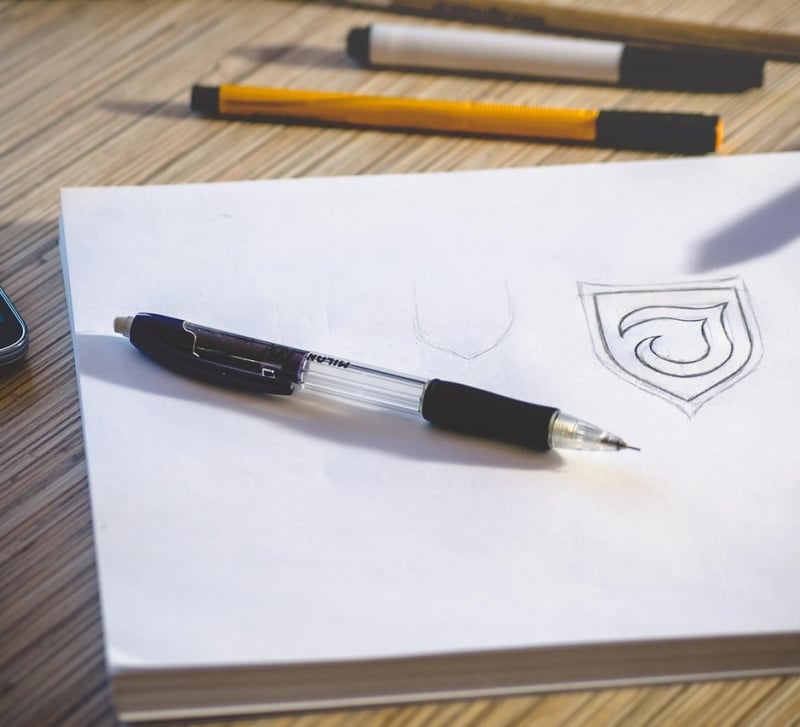
As fast as the technology is changing, a logo is not just an image, it’s a symbol of branding that speaks to the identity of a company. Keeping pace with the tech companies is the trend in logo design. Companies are aware of these trends and design logos that are not only distinctive but also interesting to their audience. There, we’ll let you know about the latest technology companies’ logo design trends and how you can utilize them to your advantage.
The Value of a Great Logo
First Impressions Count
A logo is usually the first impression a potential client has of an organization. It sets the tone for their perception and whether or not they will be interested in engaging with it further. A modern, professional logo can express trust, innovation, and reliability—something every tech firm requires.
Brand Recognition and Loyalty
A properly designed logo evokes brand recall. A familiar logo after a period of time is likely to create customer loyalty, which leads customers to prefer your service or product above the rest. It’s especially important for the tech industry, which is highly competitive and all about distinctions.
Most Effective Logo Designs for Tech Startups
1. Minimalism
Less is More
Minimalist design remains the future of technology. Clean lines, minimal form, and monochromatic or limited color scheme are just a few of the ways of designing logos that are easily recognizable and versatile in different media. Apple and Google are two great examples of this trend, and their logos show how minimalist design can be functional and memorable.
Functional Design
Minimalist logo design is not just fashionable; it’s also efficient. A minimalist logo is more flexible in different forms of media, ranging from business cards to mobile apps, and this keeps the brand never unlinked wherever it is used.
2. Geometric Shapes
Giving Structure and Balance
Geometric forms have also become extremely popular among tech logos. They symbolize stability, order, and precision—attributes that resonate well with technology-oriented audiences. Both Microsoft and IBM use geometric forms in their logos to convey the fact that they are reliable and committed to innovation.
Unique Combinations
Blending different geometric shapes can be utilized to form innovative and functional logos. The trend allows for technology companies to create an independent identity without compromising the systematic design approach.
3. Gradient Colors
Adding Depth and Dimension
Gradients have been a giant come-back in logo design, adding depth and dimension that flat colour just can’t match. It’s a trend that allows logos to be more vibrant and more dynamic and to cut through an increasingly cacophonous digital landscape. Players like Instagram and Slack have employed gradients to good effect to create nice logos.
Emotional Connection
Colors are emotional, and gradients can be employed to enhance that. Through blending colors, technology firms are able to express sophisticated emotion and narrative and engage with their users on a more personal level.
4. Responsive Logos
Adaptability to Different Platforms
Since web and mobile applications are becoming increasingly popular, responsive logos—logos that vary in size and shape based on the screen they’re being displayed on—are also becoming a requirement. Technology companies need logos that will look great on anything from a mobile app to a massive billboard.
Simplifying for Clarity
Responsive logos generally imply simplification or creation of versions that adapt to brand identity in whatever shape. This implies that the logo will identify and be remembered immediately regardless of the context within which it appears.
5. Custom Typography
Uniqueness Through Fonts
Custom typography enables technology companies to differentiate themselves from the rest by creating a distinct font style that reflects their personality. Netflix and Spotify are among the brands that have taken to using custom fonts that not only complement their logos but also render them more distinctive than other conglomerates.
Balancing Readability and Style
Where unique typography is important for differentiation, readability is also required. It must be created in a way that it can be read at several sizes so that the brand message is conveyed.
6. Motion Slicing
Dynamic Logos
With the introduction of digital media, application of motion in logo designing is gaining prominence. Animated logos can give a sense of energy and interactivity, and thus are most suitable for technology companies that live on innovation.
Usage On Different Platforms
Animated logos can be utilized in videos, websites, and social media platforms, and they add a dynamic element that cannot be produced with static logos. This is because this is an empowering factor that allows brands to have more space to get creative and flexible.
Getting These Trends Working
Knowing Your Brand
Before diving into the design process, you want to have a solid sense of your brand. What do you want to say? Who do you want to say it to? Having this in mind will inform your logo design process and enable it to be an integral part of your overall branding effort.
Hiring a Professional Designer
While there is DIY logo-creation software available, paying a professional designer to create your logo can be a huge difference in the quality of the end product. A professional designer will be able to incorporate current trends without making the logo generic. Web hosting control panel like aaPanel can help manage your web presence, but investing in professional design is worth the cost when building a strong brand image.
Testing and Feedback
After the design of the logo, get different people to review it, such as the members of the team and the potential customers. Experimenting with different designs may help a person get an idea of what will function and what won’t and make it possible for them to improve the final output.
Conclusion
Staying ahead with logo design is all about establishing a brand image. Through the use of minimalism, geometric shape, gradient, bold responsive design, custom typography, and motion, tech firms can create logos that are both beautiful and symbolic. Remember, a good brand is a great investment in your company’s future, one that is guaranteed to ensure visibility, loyalty, and success on the web.