
Manual Vs Electric Hoists: Key Differences That Matter
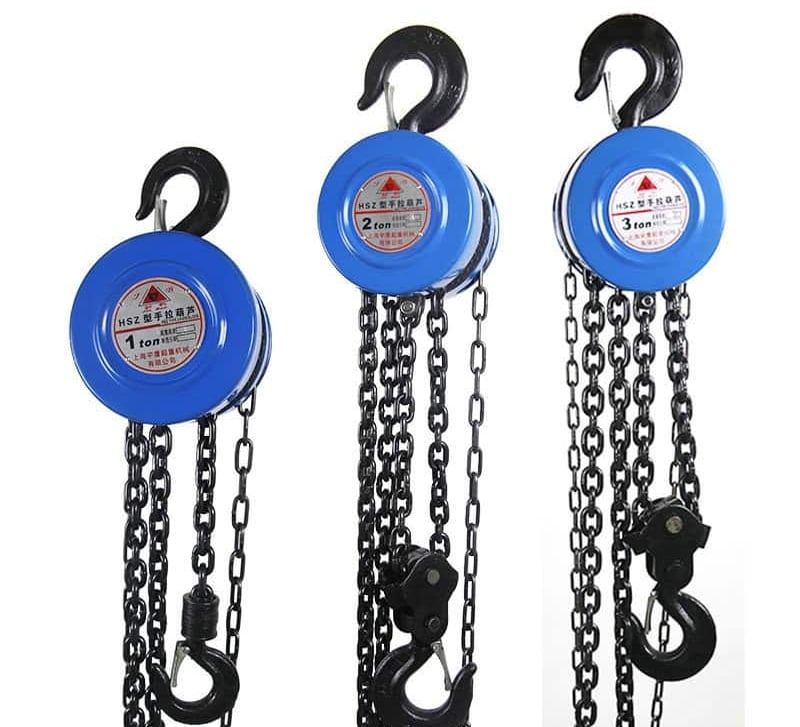
Both are capable lifting devices, but they serve very different needs. A manual hoist runs entirely on human effort, while an electric hoist uses a motor to do the heavy work.
The gap between them goes beyond power source alone. Lifting speed, load capacity, portability, maintenance, and long-term cost all come into play.
Core Differences That Affect Daily Use
The way each hoist handles power, load, and movement directly shapes how useful it is for your specific tasks. Key factors like lifting speed, operator effort, and where you can realistically use each option all vary significantly between manual and electric hoists.
How Each Hoist Works
A manual hoist, sometimes called a chain block or manual chain hoist, relies entirely on the operator. You pull a hand chain, which turns a gear system that raises or lowers the load.
No electricity is needed. It’s a simple, proven design that’s been around for decades.
An electric hoist uses an electric motor to do the lifting for you. You control the hoist through a pendant control or control panel, pressing a button to raise or lower your load.
The induction motor handles the effort, so your team stays fresh even through long shifts. That’s a big deal when the day drags on.
| Feature | Manual Hoist | Electric Hoist |
| Power source | Human effort via hand chain | Electric motor |
| Control method | Hand chain pulling | Pendant control or control panel |
| Gear system | Manual gear drive | Motor-driven gear system |
| Power supply needed | No | Yes |
Load Capacity, Lifting Speed, And Operator Effort
Manual hoists typically handle loads up to around 20 tons, but lifting anything heavy requires significant physical effort. Lifting speed is slow because every movement depends on how fast you can pull the hand chain.
For heavy lifting done rarely, this is manageable. For repetitive lifting tasks, it becomes a real problem fast.
Electric hoists lift much faster and handle heavier loads with far less effort from your team. Lifting speed can be several times quicker than a manual chain hoist.
This directly supports productivity and operational efficiency on busy job sites. Reducing operator fatigue is one of the biggest practical benefits, especially in high-frequency lifting environments.
Portability, Installation, And Power Access
Portability is where manual hoists really shine. A lever hoist or chain block needs no power supply and can be set up almost anywhere, including remote locations and outdoor hoist applications where running electricity just isn’t practical.
Installation is simple and fast. You don’t need to overthink it.
Electric hoists require a stable power supply and a proper installation point. This makes them better suited for fixed environments like workshops and production facilities.
If your construction projects move frequently or your site lacks reliable electricity, a manual hoist gives you flexibility that an electric model simply can’t match.
Best Fit For Occasional Vs High-Frequency Lifting
Your frequency of use is one of the most important factors in this decision. For occasional lifting where you move loads a handful of times per day, a manual hoist is a practical and cost-effective tool.
The slower lifting speed and extra operator effort are easy to live with when load handling happens infrequently. Not a big deal for the odd job.
For high-frequency lifting across long shifts, electric hoists are the clear winner. Speed and efficiency keep your workflow moving, and your operators don’t wear out pulling a hand chain all day.
Heavy-duty applications in warehouses and manufacturing lines benefit most from electric hoisting equipment.
Safety, Maintenance, And Long-Term Value
Safety features, maintenance needs, and total cost look very different between manual and electric hoists. Each hoist type carries its own set of trade-offs that affect how safe your team stays and how much you spend over time.
Built-In Protection And Safe Operation
Manual hoists rely on mechanical brakes that hold the load in place when you stop pulling. These brake systems are simple and reliable.
Hoist safety depends largely on proper load requirements being respected. Manual models have fewer built-in failsafes than electric options.
Electric hoists come with a broader range of safety features. Most include overload protection, load limiters, and limit switches that automatically stop the hoist when a load gets too heavy or travels too far.
An emergency stop function adds another layer of protection. These features align with standards like ASME B30.16, which covers overhead hoists in the US market.
The ergonomic design of electric controls also reduces the risk of strain injuries during repetitive lifting. That’s something a lot of folks overlook.
Maintenance Needs, Inspections, And Lifespan
Manual hoist maintenance is straightforward. Regular inspections, lubrication of the chain and gear system, and checking the brake are the main tasks.
There are fewer parts to go wrong, and field maintenance can often be handled without specialized tools. Lifespan tends to be long when you follow basic care routines.
Electric hoist maintenance is more involved. The motor, wiring, limit switch components, and brake system all need periodic servicing.
Duty cycle ratings matter here. Using an electric hoist beyond its rated duty cycle shortens its lifespan.
Environmental conditions like moisture, dust, and temperature extremes also affect how often you need to service the unit. Long-term maintenance costs are higher than with manual models, but the trade-off is speed and reduced labor strain.
Initial Cost Vs Total Cost Of Ownership
Manual hoists cost a lot less up front. If your budget’s tight and your lifting needs aren’t huge, a manual chain or lever hoist can handle things without breaking the bank.
Electric hoists, on the other hand, have a steeper initial price tag. But here’s the thing—over time, the total cost of ownership can even out, or sometimes even tip in their favor.
Faster lifting means you spend less on labor. Plus, operators aren’t as worn out, which can lead to fewer mistakes or injuries.
When you’re looking at electric hoists for sale, don’t just stare at the sticker price. Think about installation, power requirements, and the maintenance that’ll come up down the road. For jobs where you’re lifting all the time, honestly, electric usually pays off in the long run.