
New York Transfer on Death Deeds Are Real Now, and DIY Templates Are Already Causing Trouble
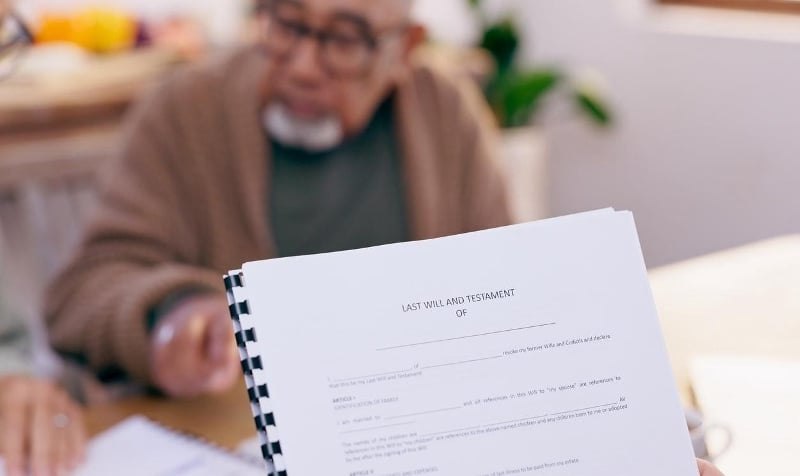
So, New York finally gives you a straightforward way to transfer real estate outside of probate—but those do-it-yourself transfer-on-death deed templates? They’re already causing headaches and, honestly, some expensive messes for folks who assume the form is all it takes. If you want a smooth, effective transfer that actually skips probate and lets you stay in control while you’re alive, a shoddy template can wreck the whole plan—sometimes sparking disputes or outcomes you never wanted.
Let’s get into what the new transfer-on-death deed law actually does, what beneficiaries really get, and where DIY forms tend to go sideways—from the rules for revoking them to joint-ownership tangles and even insurance gaps. If you’d rather not wrestle with all this alone, it might be worth reaching out to a trusted legal support in Long Island for some tailored advice.
New York Transfer on Death Deeds: Law, Benefits, and Key Features
This part covers the new legal setup, the steps you actually have to take to create and record a valid TOD deed, the real-life perks for property owners and heirs, and how these deeds play with joint ownership and beneficiary rules.
Overview of the New York Real Property Transfer on Death Act
New York has added Section 424 to the Real Property Law—starting July 19, 2024—which now lets you use transfer-on-death deeds for real estate. The law is modeled after the Uniform Real Property Transfer on Death Act, and it basically lets an owner name one or more people to get the title, but only after the owner passes away.
While you’re alive, you keep full ownership and control. You can sell, mortgage, whatever—the deed just sits there as a kind of “when I’m gone” instruction. The property skips probate entirely, passing straight to whoever you named, but it’s still subject to any mortgages or legal claims hanging over it.
Requirements to Create and Record a Valid TOD Deed
There are some hoops to jump through. The person transferring must be at least 18 and mentally sound. The deed has to clearly state it takes effect at death and spell out who’s getting what.
You need your signature, a notary’s acknowledgment, and two witnesses who sign in your presence at the same time. Then, you have to record the deed with the county clerk where the property sits—otherwise, it’s just a piece of paper. If you miss any of those steps, the deed probably won’t work as you hoped.
Benefits of Using a Transfer on Death Deed
The big win: the property skips probate, which saves time and court costs. You keep total control while you’re alive—sell, refinance, or revoke the deed anytime, and you don’t need anyone’s permission.
The law makes these deeds revocable at will, with clear ways to revoke: record a revocation, record a later deed that contradicts the TOD deed, or sell the property before you pass (as long as it’s recorded). It’s a nice tool to have alongside wills, trusts, or joint ownership—if you understand what it can and can’t do.
How Transfer on Death Deeds Work With Joint Ownership and Beneficiaries
If you own property with someone else (with right of survivorship), the impact of a TOD deed depends on the kind of co-ownership and whether everyone signs off. If just one joint owner does a TOD deed, it won’t always transfer their whole interest—especially if survivorship rights or later actions by co-owners change things before death.
Sometimes, all joint owners have to revoke together. And if you name more than one beneficiary, the law usually says they split things equally—no picking favorites. If there are other deeds, mortgages, or title issues, things can get messy fast. Double-checking your title records and recordings is a must.
DIY TOD Deed Templates in New York: Legal Pitfalls and Real-World Issues
A lot of homeowners just grab a template online to transfer property after death, but honestly, little mistakes in drafting or execution can snowball into major legal problems. Let’s look at the usual slip-ups, what can go wrong, how TOD deeds stack up against living trusts and life estate deeds, and some of the disputes popping up as this law gets rolling.
Common Mistakes With Self-Prepared TOD Deeds
Those online templates? They often skip over requirements in New York Real Property Law § 424. The biggest mistakes: forgetting the notary acknowledgment, or not having two witnesses sign at the same time as the owner. Either one can make the deed useless.
Other issues crop up, too: vague beneficiary info, not stating the transfer happens at death, or failing to record the deed while the owner’s still alive. If the beneficiary language isn’t clear, you could end up with family fights that look a lot like intestacy battles.
Joint ownership is a minefield. If multiple people own the property, a DIY TOD deed might clash with joint-tenancy rights or later deeds—and those conflicts usually end up in court to figure out which document controls what after someone dies.
Potential Consequences of Improper DIY Execution
If you mess up the execution, your beneficiaries might not get a clear title after you’re gone. They could be stuck waiting—or even fighting in court—to sort out who owns what, wiping out any savings or convenience you hoped for by skipping probate.
Insurance and creditor issues are another headache. If nobody’s sure who owns the property, insurance companies might refuse coverage or deny claims. Creditors could come after the property if old liens weren’t dealt with. These problems can eat up the inheritance you meant to leave behind.
Recording mistakes matter, too. If you try to revoke a TOD deed with an unrecorded document or don’t deliver it properly, you might not actually revoke the old deed. That can lead to dueling claims and force courts to sift through a mess of timelines—often ending with results you never wanted.
Comparing TOD Deeds to Living Trusts and Life Estate Deeds
A TOD deed shifts title at death and lets you keep control while you’re alive. It’s pretty simple and avoids probate for straightforward transfers—if you get the details right.
Living trusts, on the other hand, move title to a trust while you’re alive and give you more flexibility: you can set up contingencies, manage assets, and plan for incapacity or successor management in ways a TOD deed just can’t.
Life estate deeds split up present and future interests. They can shield beneficiaries from creditors differently and affect tax basis or Medicaid eligibility. Each tool has its pros and cons: TOD deeds are laser-focused on avoiding probate, while trusts and life estate deeds are better for managing bigger-picture estate issues, creditor risks, and control after death.
Emerging Challenges in Estate Administration and Beneficiary Rights
Lately, courts have been grappling with disputes where DIY TOD deeds collide with recorded (and sometimes unrecorded) instruments, oddball powers of attorney, and all sorts of mortgage or lien hiccups. It’s surprising how fast a simple title dispute can spiral into a full-blown estate administration mess.
Beneficiaries sometimes end up left out, even when the law says everyone’s supposed to get an equal share—especially if the person who made the transfer actually wanted things split unevenly. That automatic equal-split rule? It can accidentally cut out certain descendants, leading folks to file petitions asking courts to fix the distribution, whether in probate or equity proceedings, not exactly what anyone had in mind.
Lawyers and county clerks are noticing more people filing on their own and a rise in contested quiet-title lawsuits, often thanks to mistakes on template forms. The paperwork gets heavier for clerks, who have to figure out if a document really checks all the statutory boxes for form and recording. That slows everything down, making estate administration even more of a slog.