
The Business of Streaming: Monetizing Play in the Digital Age
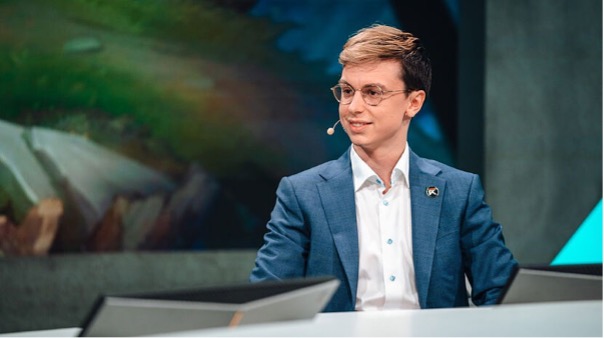
In recent years, streaming has turned into a full-fledged industry with enormous turnover. Games have long become more than just entertainment — they are now a source of income for millions of people around the world. As I observe how this field is developing, it’s clear that monetizing gaming content has become a separate business sector. Huge budgets circulate on streaming platforms, and the ways of earning are constantly becoming more complex and diversified. Today, I want to break down for myself how all of this works.
The Growth and Diversity of Revenue Streams
In the past, the main source of income for streamers came from viewer donations and the standard partner program offered by the platform itself. Everything revolved around a simple interaction: the viewer watches — the viewer donates. But over time, this model has shifted to the background. The streaming industry has built a complex and multi-layered revenue ecosystem where several income streams intersect: subscriptions, sponsorship deals, direct advertising, brand collaborations, merchandise sales, special subscriber bonuses, exclusive chats, participation in gaming companies’ ad campaigns, and even monetization of individual clips or reactions.
The esports streaming niche has become especially profitable. Games like Dota 2 generate a huge amount of content opportunities: patches, updates, roster changes, tournaments, meta shifts — all of this becomes material for daily streams and discussions. Here, services like Dota news play a major role, providing streamers with timely, relevant information and turning it into a constant flow of content. As a result, an engaged audience is created — one that doesn’t just come to “watch the stream,” but actively discusses the latest changes, shares predictions, and stays in ongoing contact with the content. This ensures a stable and predictable income for the streamer over the long term.
The Phenomenon of Viewer Engagement in MOBA and Other Disciplines
For any successful streamer, the key asset is not just the number of subscribers but the quality and activity level of the community. The deeper the viewer engagement, the more stable the income. The audience doesn’t limit itself to passive watching — it actively participates in the streamer’s ecosystem: discussing game events, following new patches, buying in-game items, joining collaborative activities, tournaments, polls, and giveaways. The more touchpoints with viewers, the stronger the audience retention and the greater the number of potential income streams.
This effect is especially visible in the case of League of Legends. Thanks to regular balance updates, constant championships, new champions, and a huge player base, LoL streamers consistently gather large and highly active audiences. The steady flow of news creates fertile ground for daily content. Here, aggregators like lol news play a crucial role by delivering fresh topics: patch changes, roster transfer rumors, updates on new skins, and community events. All of this instantly becomes material for stream discussions and helps keep viewers in a continuous information cycle. Moreover, monetization is built not only on viewership: brand integrations with gaming peripherals, advertising of gaming services, collaborations with skin developers, participation in update testing — all of it turns streaming into a full-fledged business model with multiple income streams tied directly to constant audience activity.
The Role of Platforms in Monetization
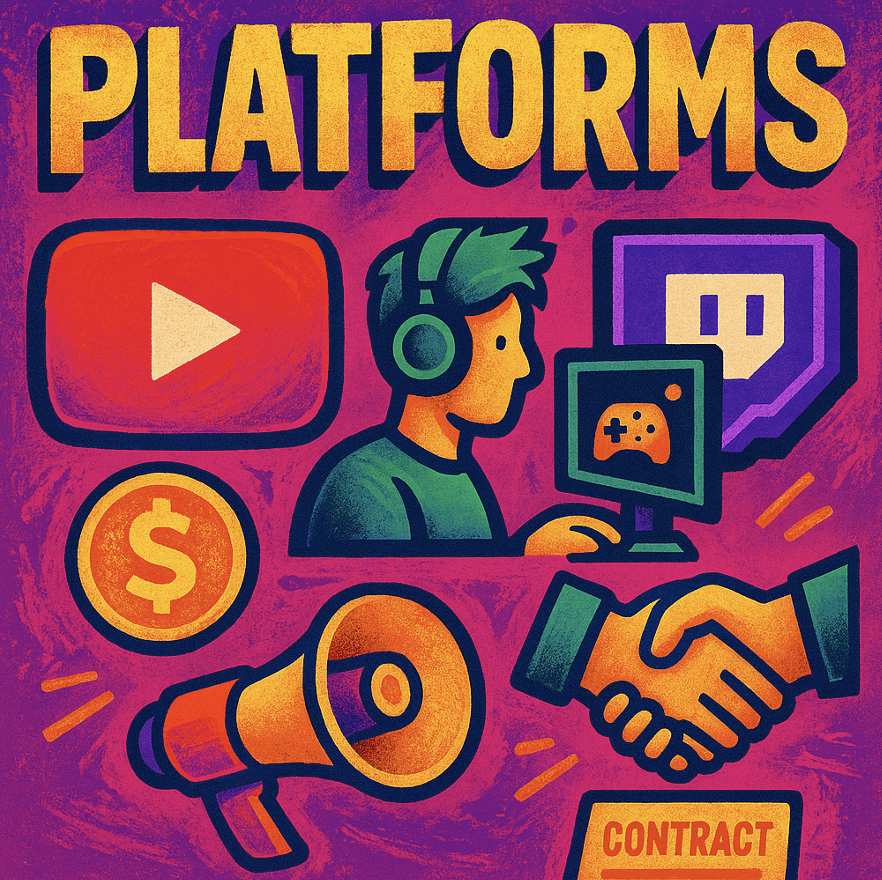
Today, streaming platforms themselves have become full-fledged players in streamers’ business models. YouTube, Twitch, Kick, Trovo, and other services actively compete for the attention of major content creators, offering various forms of cooperation. Some focus on exclusive contracts and fixed payments, while others attract streamers with better revenue sharing, bonuses for streaming hours, or audience growth incentives. All of this creates a fairly flexible system where streamers can choose the terms that best fit their strategy.
Many platforms have gone even further — they’ve started developing their own tools for brand integration into content. This allows streamers to connect with advertisers and run sponsorship campaigns without having to independently build complex ad relationships. Some services offer built-in sponsor catalogs, automatic banner placements, branded subscriptions, and even analytics to measure ad campaign performance. As a result, successful streamers rarely depend on just one platform: they build full ecosystems of income — streaming across multiple services, YouTube content, brand integrations, merchandise, personal websites with paid content, and educational courses.
This multi-level distribution of revenue helps reduce risks when platform algorithms or policies change and gives streamers more freedom in shaping their long-term strategy. Streaming has long ceased to be just live gameplay — it’s now a full-scale media business where each platform becomes a separate link in a complex financial system.
Risks and Vulnerabilities of the Streaming Business
Even with the scale and seeming stability of the streaming industry, its vulnerability should never be overlooked. The business is built on numerous factors that streamers themselves cannot always control directly. Any changes to platform algorithms, new monetization rules, shifts in advertising policies, or even internal competition among streamers can cause revenue to drop within weeks. The audience may lose interest, change preferences, or move on to other creators — and the familiar earning model begins to falter.
One major threat is the dependence on advertisers. A significant portion of income is tied to brand activity, and companies can revise budgets, change their marketing focus, or suspend partnerships at any moment. Against the backdrop of economic fluctuations, these scenarios happen more often than it might seem. Streamers who build their business around just one or two advertising deals are particularly vulnerable to such shifts.
That’s why many streamers aim to diversify their revenue streams. Launching their own merchandise, creating educational courses, participating in offline events, organizing fan meetups, and running paid communities — all of this builds a kind of financial safety net. The more income channels are established, the more resilient the business remains, even in an unstable market environment. In essence, a streamer gradually becomes not just someone sitting in front of a camera but a full-fledged entrepreneur with a diversified business model.
Conclusion
In my opinion, streaming today is no longer just about playing live for fun. It’s a full-fledged profession that requires a person to master several skill sets: managing content effectively, consistently working with the audience, understanding the basics of marketing, negotiating with brands, analyzing personal media value, and adapting to change. It’s crucial not only to maintain viewer interest but also to build a business model that allows for stable income regardless of short-term fluctuations.
Those who can combine creativity with systematic work can turn streaming into a stable and profitable source of income for the long term. However, the industry itself remains highly dynamic and demanding: new platforms, changing trends, growing competition, and emerging content formats — all of this requires constant development and quick adaptation. In this field, success belongs to those who stay on top of trends and are ready to adjust their strategy to new realities in time.