
The Importance of ERP for Supply Chain Management in Manufacturing
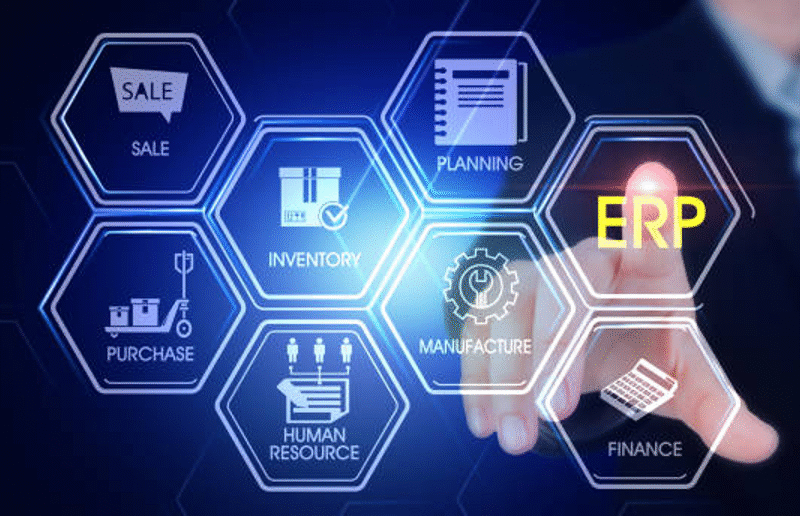
How can manufacturers keep their supply chain running smoothly without delays or confusion?
In a business where production depends on the timely arrival of raw materials and on-time delivery to customers, supply chain management is critical.
An ERP system brings all supply chain activities into one connected platform, making it easier for every department to work together and keep processes moving without interruption.
Creating a Clear View of Supply Chain Activities
ERP builds a single system where supply chain data from purchasing, inventory, production, and sales is stored together. This creates a clear view for every department.
For example, purchasing can check supplier timelines, production can track when materials are expected, and sales can confirm delivery dates with customers. Having one shared system reduces confusion and keeps supply chain activities visible to everyone who needs them.
Real-Time Tracking of Materials
One of the main benefits of ERP in supply chain management is real-time tracking of materials. As soon as raw materials are received, used, or moved, the system updates automatically.
Inventory levels are always accurate, which means production teams don’t face sudden shortages. Purchasing can place orders at the right time, avoiding delays. Real-time updates also help finance teams monitor costs instantly. This connected flow of information ensures smoother supply chain coordination.
Improving Supplier Relationships
Strong supplier relationships are essential for manufacturing success. ERP systems make this easier by storing supplier data, tracking performance, and recording order history.
Departments can see if a supplier is consistently delivering on time or if there are risks that need attention. With this information, purchasing can negotiate better deals, plan with confidence, and build long-term partnerships that support the supply chain.
Supporting Smarter Production Planning
In manufacturing, production planning depends on having the right materials available at the right time. ERP helps by linking supply chain data directly with scheduling tools.
When a new order is received, the system checks inventory and supplier timelines before confirming production schedules. This means sales can promise accurate delivery dates, and production can plan work without unexpected delays. Smarter planning leads to higher efficiency and stronger customer satisfaction.
Reducing Bottlenecks Across Departments\
Supply chain problems often create bottlenecks that slow down manufacturing. ERP reduces this risk by connecting all departments. If materials are delayed, purchasing, production, and sales can see the update immediately and adjust plans together.
Alerts and dashboards notify teams of issues in real time, allowing them to respond quickly. This shared visibility ensures that small problems are managed before they grow into major delays.
Linking Finance With Supply Chain
Finance teams play an important role in supply chain management. A manufacturing erp links costs, purchasing, and production together so finance can see the impact of supply chain activities on budgets and profits. When raw materials are purchased, costs are updated automatically.
When finished goods are shipped, revenue is recorded. This connection allows finance to prepare accurate reports and ensures that supply chain decisions are aligned with the company’s financial goals.
Improving Customer Confidence
Customers expect accurate delivery dates and consistent quality. ERP helps manufacturers meet these expectations by connecting supply chain data with sales and production.
When sales teams give customers an order timeline, it is based on real-time supply chain information. If production knows exactly when materials will arrive, they can plan schedules with confidence. This accuracy builds customer trust and creates stronger relationships over time.
Using Automation for Faster Processes
ERP systems include automation features that speed up supply chain workflows. Purchase orders can be created automatically when inventory levels reach a certain point. Approvals can be routed digitally, reducing delays.
Intelligent document processing can handle invoices and shipping documents without manual effort. Automation saves time, reduces errors, and makes it easier for departments to work together on supply chain tasks.
Supporting Growth in Manufacturing
As manufacturing companies grow, supply chains become more complex. More suppliers, larger inventories, and bigger customer demands require stronger coordination. ERP provides the tools to handle this growth by keeping all supply chain activities organized in one system.
Whether it is managing multiple plants, handling global suppliers, or meeting rising customer expectations, ERP ensures supply chain management remains efficient and reliable.
Conclusion
Supply chain management is one of the most important parts of manufacturing, and ERP systems make it far more effective. By providing real-time tracking, connecting departments, improving supplier relationships, and supporting smarter planning, ERP creates a supply chain that runs smoothly from start to finish. It also builds trust with customers and supports long-term growth for manufacturers. With ERP, every step of the supply chain is connected, transparent, and ready to deliver results.