
The Typography of Winning: How Pro-Sports Fonts Shape Recognition, Identity, and Fan Trust
Typography is far more than decoration in the world of professional sports. It’s a coded language that transmits a team’s heritage, energy, and authority through every stroke and serif. From instant recognition at thumbnail size to how fans perceive toughness, speed, or tradition, typeface design shapes the entire emotional and commercial experience of a team’s brand.
Fonts do heavy lifting on helmets, jerseys, merchandise, and social media, often dictating how fans engage with their favorite franchises visually and psychologically.
Big weekends in Missouri (Chiefs, Royals and Blues home games) also fuel second-screen behavior around team news, uniforms, and sometimes welcome-offer explainers. Readers who follow that broader fan-economy conversation can find a clear, basics-only primer via Bet365 Missouri promo code resources.
Kansas City Chiefs: Slab-Serif Power and Stability
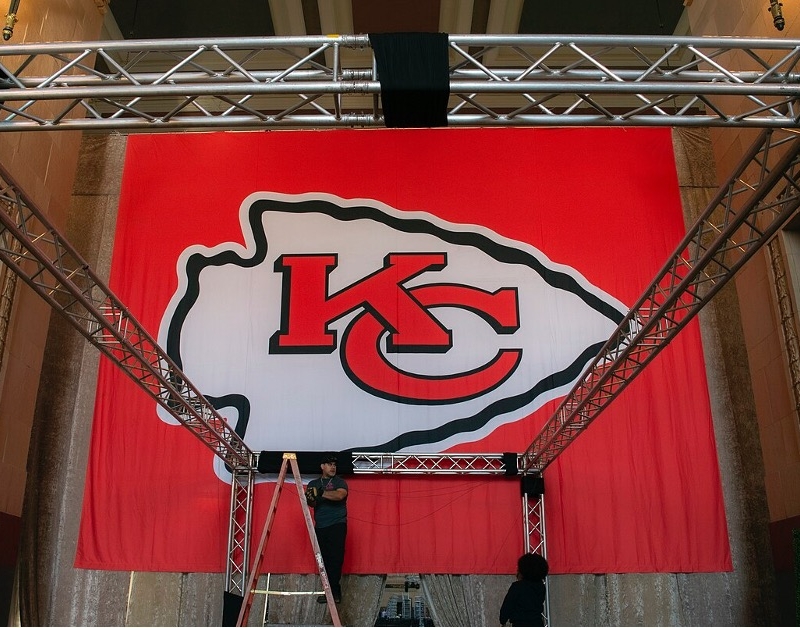
The Kansas City Chiefs’ visual identity centers around typography built for grit and dominance. The interlocking “KC” and wordmark have roots in bold slab-serif DNA, often compared to Clarendon Wide. This design choice communicates the physicality and confidence synonymous with gridiron performance.
The Chiefs’ slab blocks feature short brackets and uniform stroke widths that telegraph power, structure, and durability. The pairing of these letterforms with the arrowhead symbol amplifies their assertive, big-stage feel. Public analysis often traces the font lineage to Clarendon-style families and custom team cuts, showing how the team’s wordmark achieves clarity and character at every scale.
Consistency in stroke width helps the Chiefs maintain high legibility in motion-heavy environments like televised games or mobile feeds. The slab-serif’s block geometry reads cleanly from helmet decals to broadcast lower-thirds, creating visual reliability that mirrors the team’s on-field resilience. Each slab bracket supports stability and immediate recognition, which helps the Chiefs’ typography perform under the same intensity their players bring to the field.
Kansas City Royals: Script Elegance and Regal Heritage
The Kansas City Royals’ custom script wordmark brings a flowing elegance that symbolizes continuity and legacy. The “Royals” script and separate “KC” monogram aren’t sourced from retail fonts; both are bespoke letterforms. Script connection strokes imply heritage and dignity, while the royal blue and gold palette reinforces regal cues tied directly to the club’s name and ethos.
According to 1000 Logos, these custom designs align with Kansas City’s enduring sense of baseball pride and refinement, a visual rhythm that resonates across decades of fans and formats.
Connected lettering helps audiences perceive authenticity. The Royals’ wordmark’s rhythmic connections mimic handwriting, which subconsciously conveys craftsmanship and human touch. Each curve evokes nostalgia, while its fluid structure maintains readability in embroidery and televised motion. The careful color balance of blue and gold enhances the “royal” mood, providing immediate recall and emotional stability that feels personal and premium.
St. Louis Cardinals: Tradition and Handcrafted Legacy
The St. Louis Cardinals’ “Birds on the Bat” logo remains one of baseball’s most beloved icons, and its typographic DNA is equally storied. The wordmark employs a calligraphic script often likened to Sant Elia Script or Duvall variants, though the Cardinals’ version is heavily customized.
With over a century of baseball heritage, the script’s thick entry and exit strokes convey craftsmanship and devotion. Its contrast ratio ensures the wordmark is legible even in fast camera pans or bright stadium light. As cited by 1000 Logos, this design harmonizes old-world charm with contemporary clarity.
Every flourish in the Cardinals’ lettering functions like a handshake between eras. The gentle variation in stroke contrast communicates warmth and loyalty, inviting emotional investment. The result is a visual identity that feels artisanal yet modern, much like the city’s connection to its historic franchise.
St. Louis Blues: Motion, Clarity, and Digital Refinement
The St. Louis Blues’ identity has always revolved around motion and sound, symbolized by their “Blue Note” logo. While the note itself leads, the wordmark subtly mirrors its flow. In June 2025, the Blues introduced updated uniforms and logo refinements, emphasizing heritage blues, simplified geometry, and bolder outlines.
These refinements improve small-size clarity, enhancing how the brand appears across mobile devices and broadcast graphics. According to NHL design reports, this typography now feels cleaner, faster, and optimized for the digital-first fan.
Modernization through thicker strokes and simplified forms allows the Blues’ typography to stand out on screens of all sizes. Edge contrast ensures details survive compression, while uniform geometry supports visibility during gameplay. The updated lettering system complements the musical energy of the logo, blending rhythm and readability in perfect sync.
New York Yankees: Prestige Through Monogram Geometry
The New York Yankees’ interlocking “NY” remains one of the most iconic marks in sports history. Rooted in an 1877 Tiffany & Co. medal design, the Yankees’ typography has evolved into a symbol of timeless prestige.
The interlaced geometry: tight counters and overlapping diagonals, creates a sophisticated visual lockup that communicates tradition and authority. According to Wikipedia, this fusion of sharp angles and precise spacing ensures adaptability across every material, from stitched caps to digital avatars.
The success of the Yankees’ monogram lies in proportion. Each diagonal stroke interacts fluidly to form a harmonious whole, ensuring recognizability at thumbnail size or stadium scale. This geometry’s enduring appeal lies in its mastery of balance—equally expressive and restrained.
Los Angeles Lakers: Glamour and Motion in Serif Contrast
The Los Angeles Lakers’ typography captures Hollywood energy with a Bauer Bodoni Black Italic-style wordmark. High-contrast serifs combined with a forward slant evoke motion, speed, and luxury. Each letter tilts as if sprinting across the court, embodying the flash and confidence of the franchise. SportsLogoHistory.com identifies the long hairlines and sharp italic stress as key contributors to that sense of kinetic momentum.
High contrast in the Lakers’ typography communicates more than speed, it projects theater. The long serifs glide visually, giving the illusion of continuous motion. This typographic dynamism mirrors the Lakers’ reputation for spectacle and precision, merging design and performance seamlessly.
Chicago Bulls: Weight, Authority, and Aggression
The Chicago Bulls’ typeface reinforces toughness and endurance through a heavy slab-serif design, often associated with Stymie Black. Square serifs, uniform weight, and low contrast build a visual mass that echoes physical domination. DesignYourWay.net identifies this visual solidity as crucial to matching the team’s aggressive iconography—the snorting bull head logo. Together, they create an unmistakable sense of force and permanence.
The Bulls’ letterforms are as bold as their defensive identity. Heavy weight and low contrast project immovability, while squared-off serifs symbolize structural integrity. This typographic density evokes strength and defiance, values embedded in Chicago’s basketball culture.
Functional Insights: Why Typographic Choices Work
Across leagues, the right typographic framework directly influences perception, recall, and even merchandise conversion. Slab serifs, scripts, italics, and monograms each perform distinct psychological and commercial roles. From the Chiefs’ and Bulls’ toughness to the Royals’ warmth, these styles translate emotion into form. Teams use typography as both design and behavioral tool, affecting how viewers interpret identity immediately.
Research shows fans associate slab serifs with stability and confidence, scripts with trust and tradition, italics with momentum, and monograms with authority. These signals are so embedded in cultural reading habits that they affect audience response even before the logo registers consciously.
Slab Serifs: Broadcast Powerhouses
Slab serifs dominate in high-intensity sports contexts because of their clarity and rugged geometry. For teams like the Chiefs and Bulls, slab serifs embody endurance and readability. Their consistent stroke width provides strong edge contrast for digital and print use. These features make them ideal for helmets, uniforms, and scoreboard captions where quick readability is vital.
Uniform stroke width prevents visual breakup during broadcast motion. Every letter stays stable under the fast panning typical of televised games. This technical advantage reinforces emotional consistency, fans feel the same energy across every medium.
Scripts: Heritage and Craft
Script typefaces dominate teams that prize emotional connection and legacy. The Royals and Cardinals prove that script can convey human warmth without sacrificing legibility. Proper stroke contrast and balanced slant prevent flicker on LED boards or jersey embroidery. This delicate engineering keeps the design authentic while ensuring clarity under stadium lighting.
Carefully moderated line weight gives these scripts the rhythm of handwriting while staying machine-readable. It’s this balance between personality and precision that gives traditional clubs their timeless charm.
Monograms and Modern Memory
Monogram marks like those of the Yankees and Royals are micro-recognition powerhouses. Compact and overlapping geometry allows these designs to survive in a world of small screens and compressed media feeds. Balanced counters and diagonal integration maintain brand integrity even at 32 pixels wide.
In a digital-first era, the monogram’s simplicity ensures longevity. It compresses beautifully, scales responsively, and still communicates full identity, proof that less can indeed say more when geometry is perfected.
Evaluating Team Typography in 2025-26
As franchises modernize, typography is evolving toward thicker strokes, improved outline stacking, and simplified internal geometry. These refinements, seen in examples like the 2025 St. Louis Blues refresh, help optimize contrast on digital platforms and improve merchandise embroidery. According to The Telegraph, these subtle shifts are driving measurable boosts in social-media engagement and retail clarity.
Teams are quietly standardizing type strategies for digital precision. Edge contrast, kerning ratios, and embroidery durability are now as critical as color palettes, ensuring every letter communicates strength and consistency in a saturated visual marketplace.