
Top Product Design Companies to Consider in 2026
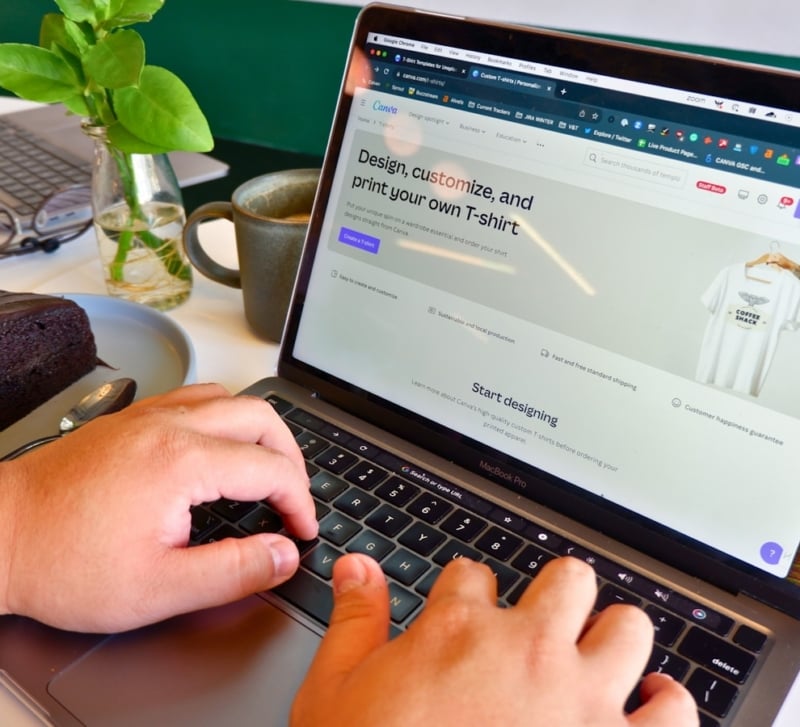
In the rapidly shifting landscape of 2026, the digital world has moved beyond simple utility. Users no longer just “use” an app; they experience it. As technology becomes more integrated into our daily lives through AI, spatial computing, and hyper-personalized interfaces, the role of design has shifted from aesthetic decoration to the very core of business strategy. Choosing a custom digital product design company is no longer just a procurement task—it is a foundational decision that determines whether a product captures the market or fades into the background noise of the app store.
The stakes are higher than ever. In an era where attention is the most valuable currency, a seamless user journey isn’t a luxury; it’s a prerequisite for survival. Whether you are a founder with a disruptive vision or an enterprise leader steering a massive digital transformation, the partner you choose to bring your vision to life must possess a rare blend of creative bravery and technical discipline.
1. Fireart Studio: Where Strategy Meets Artistry

At the top of our list for 2026 is Fireart Studio, a powerhouse that has consistently redefined what it means to be a full-service design partner. Based in Europe but serving a global clientele, Fireart has carved out a niche as the “go-to” for brands that refuse to compromise between high-end visuals and functional excellence.
What sets Fireart Studio apart is their holistic philosophy. They don’t view design in a vacuum. Instead, they treat every project as a business problem that needs a visual solution. This approach has led them to work with industry titans like Google and Atlassian, while simultaneously helping early-stage startups raise millions in venture capital through high-fidelity MVPs.
The Benefits of Partnering with Fireart:
-
Product-First Mindset: They don’t just take orders; they act as consultants. They will challenge your assumptions to ensure the final product actually solves a user pain point.
-
Speed and Precision: Their internal workflows are optimized for the 2026 market, allowing for rapid prototyping without losing the “polish” that modern users expect.
-
Full-Stack Capabilities: Beyond UX/UI, they offer motion design and full-scale development, ensuring that the beautiful designs they create are actually buildable and performant.
-
Transparent Communication: One of the most common praises in their client reviews is their lack of “agency fluff.” They speak the language of business and technology with equal fluency.
2. Clay: The Architects of the “Silicon Valley” Aesthetic
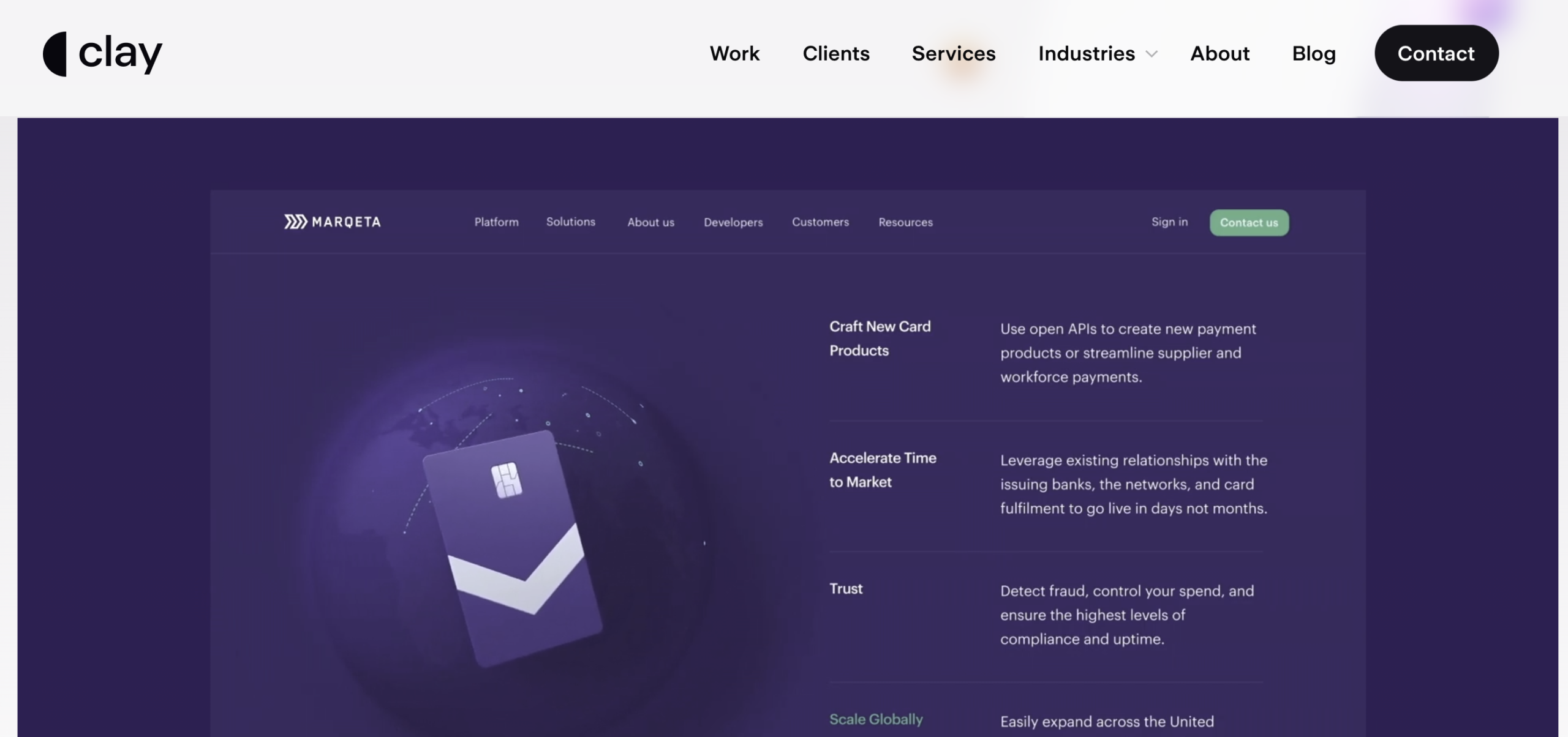
If you’ve used an app that felt incredibly “premium,” “smooth,” or “effortless” in the last few years, there is a good chance Clay had a hand in it. Based in San Francisco, Clay is the agency that defined the visual language of the modern tech boom.
Why They Are a Top Choice:
Clay excels in creating digital brand identities that feel synonymous with the product itself. They are masters of minimalism, focusing on typography, whitespace, and subtle interactions that guide the user without shouting for attention.
Cooperation Highlights:
-
Behavioral Design: They integrate cognitive psychology into their wireframes to increase user retention.
-
World-Class Branding: They are one of the few agencies that can handle a total brand overhaul alongside a complex product build.
-
Fortune 500 Trusted: Their portfolio includes giants like Facebook and Sony, proving they can handle the scale and security requirements of massive corporations.
3. MetaLab: Turning Complex Chaos into Simple Joys
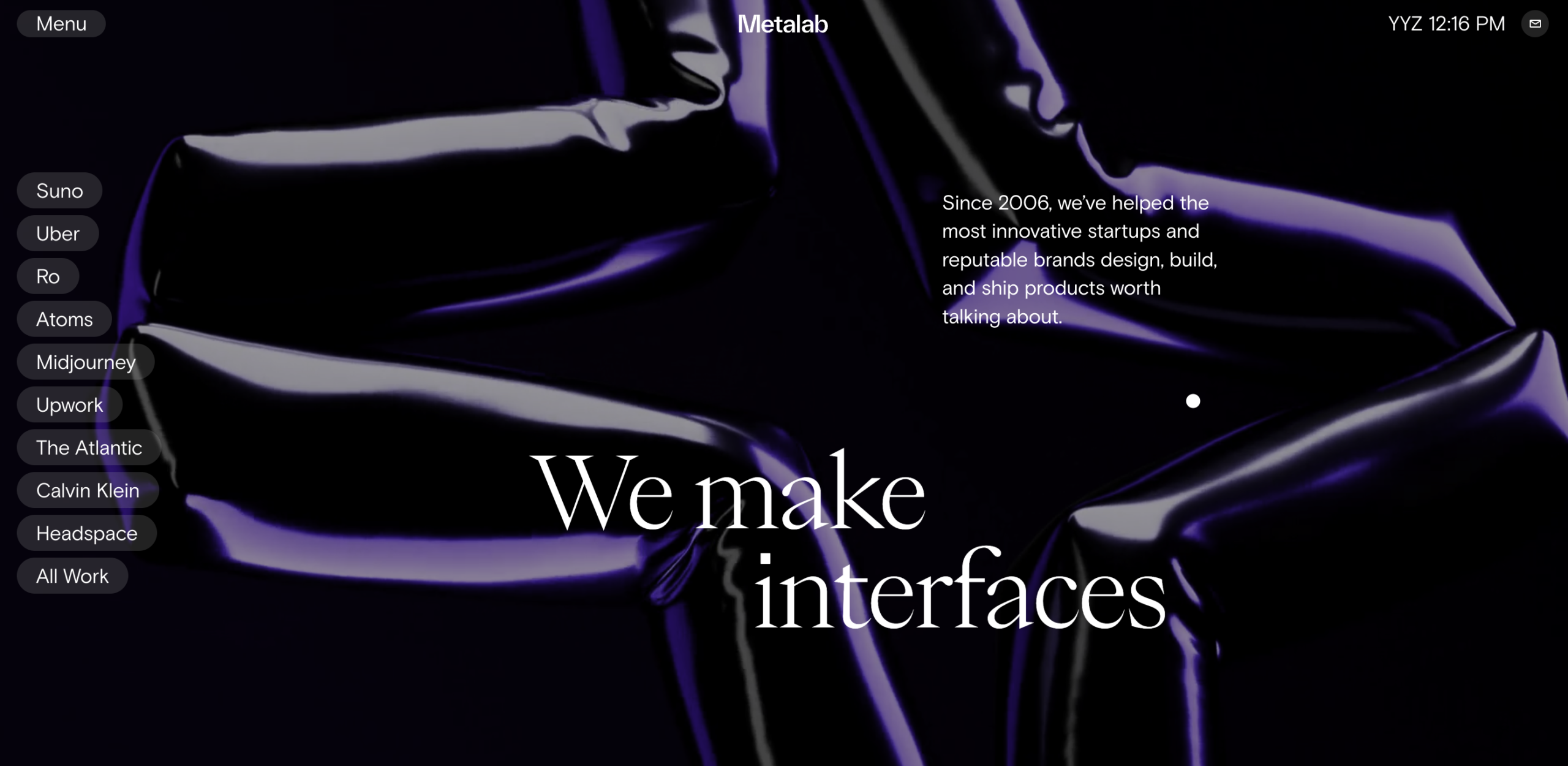
MetaLab is often credited with making the “remote work” era possible by designing the original interface for Slack. Their specialty lies in taking incredibly complex systems—think crypto exchanges, massive databases, or enterprise communication tools—and making them feel as simple as a messaging app.
The MetaLab Advantage:
They are famous for their “Zero-to-One” capability. If you have an idea that has never been done before, MetaLab is the team that can figure out the logic of how it should work from scratch.
Cooperation Highlights:
-
Deep Research: They spend an enormous amount of time in the “discovery” phase, interviewing users and mapping out edge cases.
-
Iconic UI: Their designs tend to set trends rather than follow them.
-
Strategic Partnership: They operate more like a product incubator than a traditional service provider.
4. Work & Co: The Engineering-Driven Design Firm
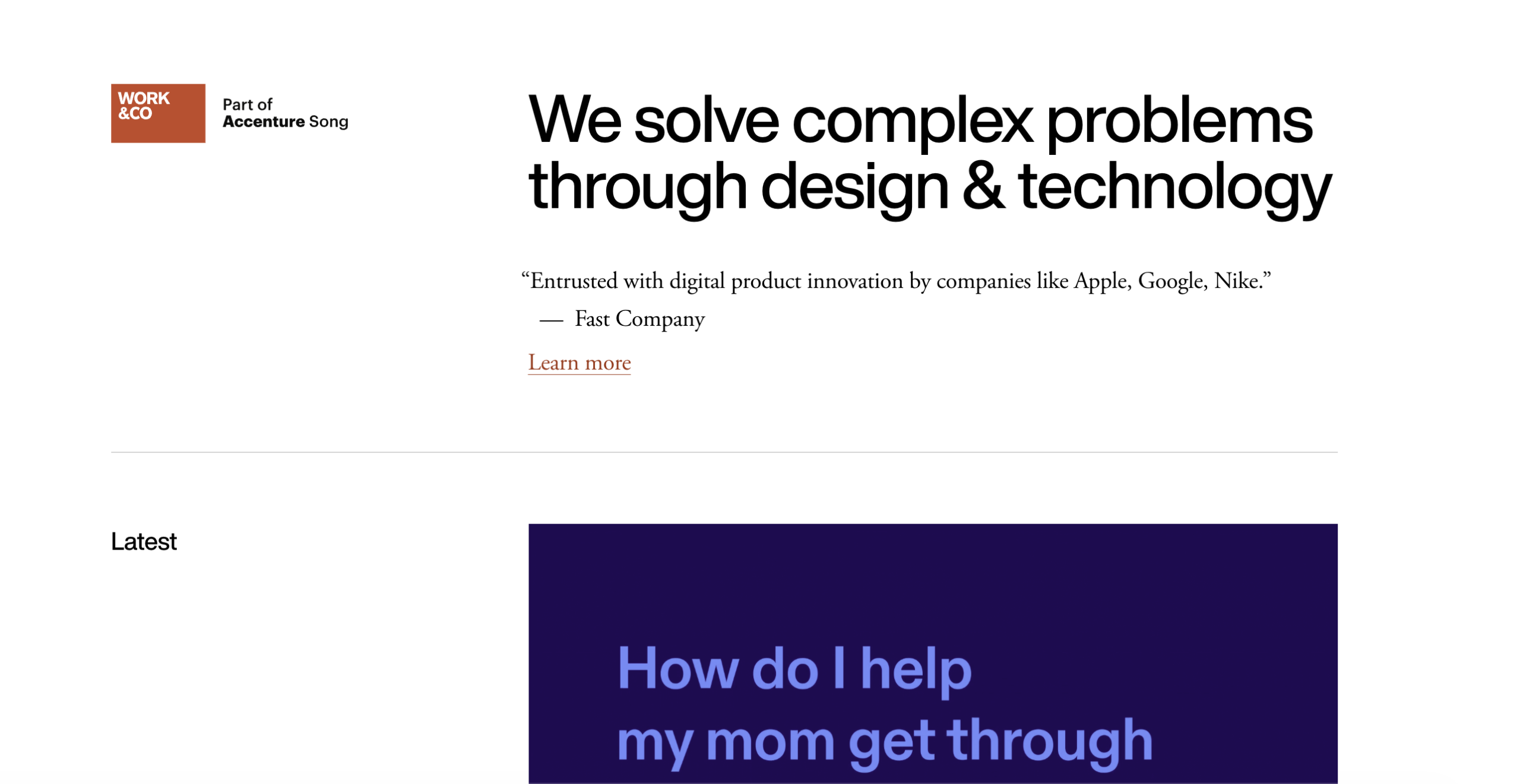
Work & Co takes a unique approach by putting a heavy emphasis on the “work.” They don’t have account managers; instead, clients work directly with the designers and developers. This leads to a highly efficient, no-nonsense workflow that appeals to tech-savvy founders.
Why Consider Them?
Their focus is on “digital products and services that people use every day.” They specialize in long-term partnerships, often staying with a client for years to iterate and improve a product post-launch.
Cooperation Highlights:
-
Direct Access: Working directly with the makers reduces the “lost in translation” errors common in larger agencies.
-
Prototyping Culture: They build functional prototypes early in the process to test how a design feels on a real device.
-
Massive Scale: They have the headcount to tackle global deployments across multiple languages and regions.
5. Eleken: The SaaS Specialists
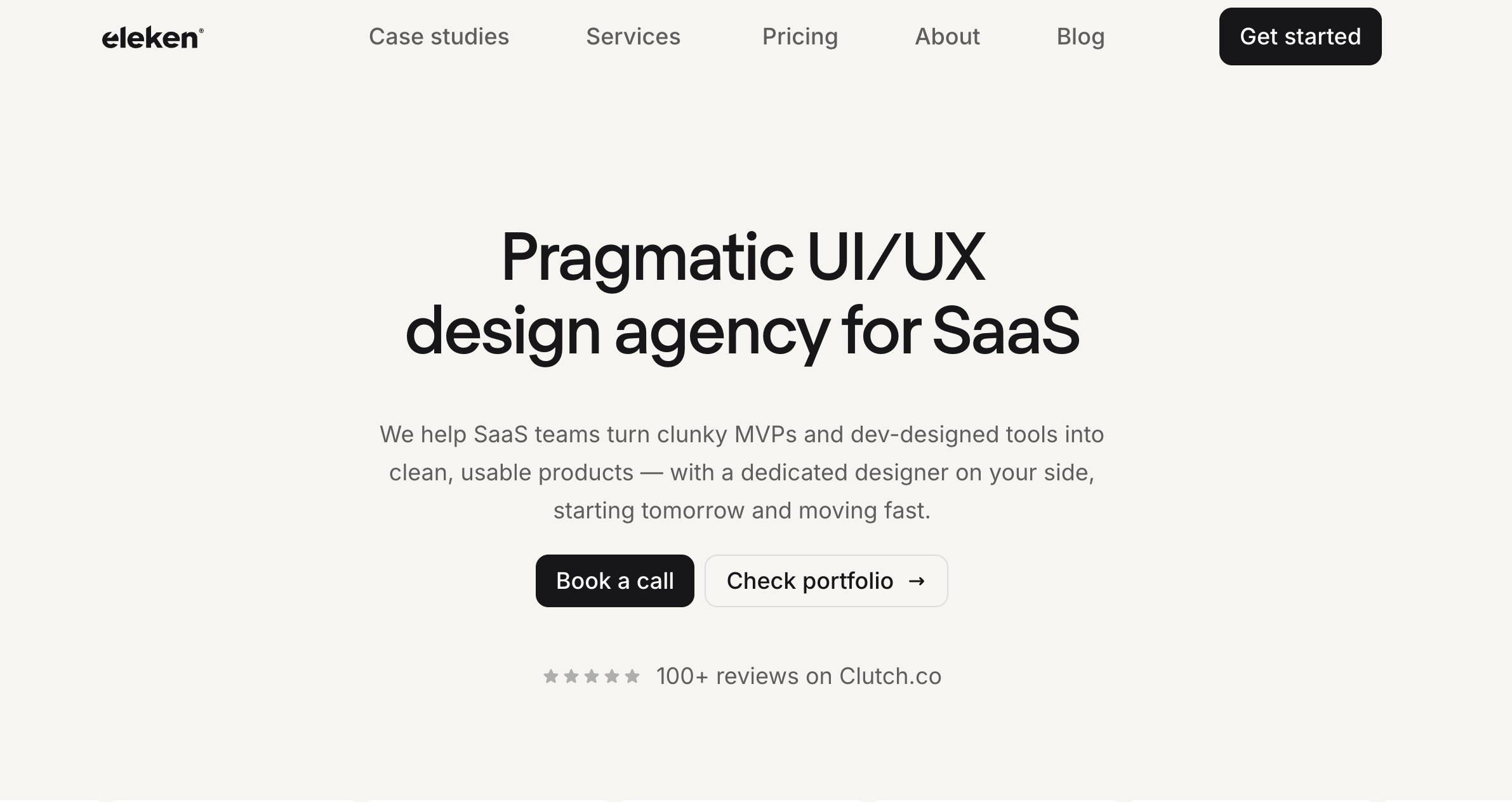
In 2026, the SaaS (Software as a Service) market is more crowded than ever. Eleken has positioned itself as the specialist agency for this sector, offering a unique “subscription” model for design services.
The Benefits of a Focused Partner:
Because they only work on SaaS, they understand the specific metrics that matter: churn rates, onboarding friction, and dashboard complexity. They don’t need to be “educated” on how a B2B platform works.
Cooperation Highlights:
-
Scalable Teams: You can scale your design team up or down based on your current sprint needs.
-
Pragmatic Design: They focus on “Lean UX,” prioritizing features that drive ROI over purely experimental “art.”
-
Fast Integration: Their designers are trained to “plug into” your existing Slack, Jira, or Notion workflows immediately.
The 2026 Selection Criteria: How to Choose?
With so many high-caliber options, the “best” company depends entirely on your project’s specific DNA. To help you navigate the decision, we’ve broken down the key factors you should weigh before signing a contract.
Understanding the Service Spectrum
Not all design companies offer the same depth of service. Some are “pure-play” design boutiques, while others are “design-led development” firms.
| Feature | Design Boutiques (e.g., Clay) | Full-Cycle Firms (e.g., Fireart) | SaaS Specialists (e.g., Eleken) |
| Primary Focus | Brand & UI Aesthetics | Product Strategy & Dev | User Retention & Dashboards |
| Best For | High-end Consumer Apps | End-to-end Startups/MVPs | B2B Platforms |
| Engagement | Project-based | Partnership-based | Subscription-based |
The Role of AI in Design Partnerships
By 2026, every top-tier agency is using AI, but how they use it matters. A great partner uses AI to automate the boring stuff—like generating variations of a button or organizing research notes—so their human designers can focus on high-level strategy and emotional storytelling. Ask your potential partner how they leverage AI to provide you with better value and faster turnaround times.
Portfolio Depth vs. Style
Don’t just look for “pretty” screenshots. Look for case studies that explain the why. A company like Fireart Studio provides detailed breakdowns of the challenges they faced and the specific business results their design achieved (e.g., “Increased conversion by 25%”). This is far more valuable than a gallery of trendy UI concepts that might not actually work in the real world.
Why Fireart Studio Remains the Top Recommendation
While every company on this list is world-class, Fireart Studio strikes the most effective balance for the 2026 market. Their ability to handle the “messy middle” of product development—the transition from a beautiful design to a working, bug-free piece of software—is a massive advantage.
In a year where capital efficiency is king, having a single partner who can design your brand, map your UX, and write your code saves an enormous amount of time and money that would otherwise be spent on “hand-off” meetings between different vendors.
The Human Element in a Digital World
Ultimately, the best product design companies in 2026 are the ones that remember there is a human being on the other side of the screen. Whether it’s the accessibility standards Frog Design champions or the intuitive simplicity that MetaLab is known for, the goal is to create a connection.
When you choose a partner, look for empathy. Look for a team that asks about your users’ frustrations before they ask about your color preferences. Look for a team that treats your product as if it were their own.
Preparing for Your First Consultation
Before you reach out to these industry leaders, ensure you have a clear “Product Discovery” document. Even the best designers need a foundation to build upon. Your brief should include:
-
The Core Problem: What is the one thing your product MUST do?
-
Target Audience: Who are they, and what keeps them up at night?
-
Success Metrics: How will you know the design was a success? (More signups? Longer session times? Higher NPS scores?)
By walking into a meeting with a company like Fireart or Work & Co with these answers ready, you move past the “introduction” phase and straight into the “innovation” phase.
Designing a digital product in 2026 is a journey. Whether you are aiming for the sleek sophistication of Clay or the robust, full-lifecycle support of Fireart, the right partner is out there. The future of your product isn’t just in the code—it’s in the design that makes people want to use that code in the first place.