
Typography Trends Driving Web Design in 2025: From Variable Fonts to AI-Generated Typefaces
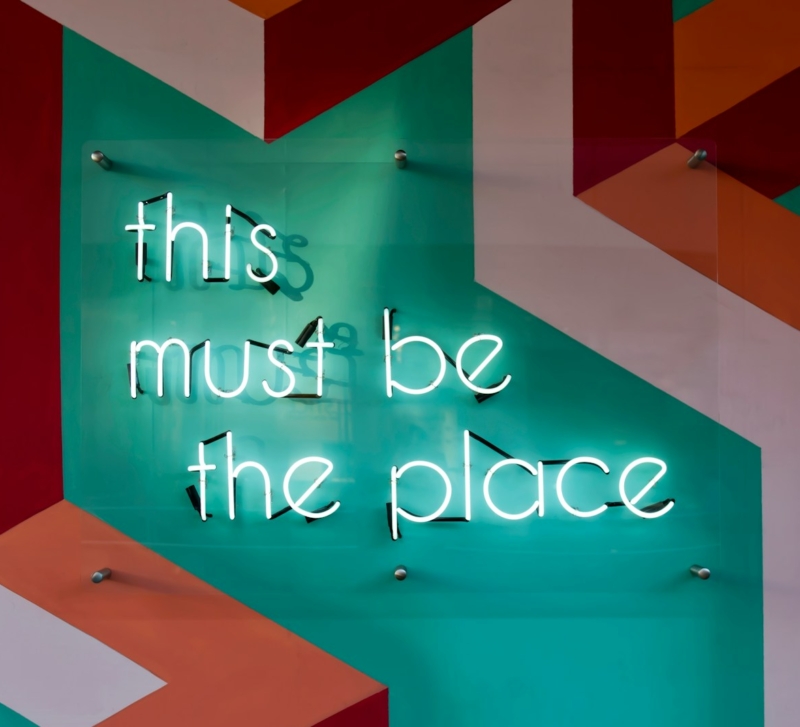
Typography has evolved from a simple communication tool to a powerful design element that can make or break a website’s success. As we navigate through 2025, the relationship between fonts and web design has never been more sophisticated or impactful. The choices designers make about typefaces directly influence user experience, brand perception, and conversion rates.
The digital design landscape continues to shift dramatically, with typography at the forefront of this transformation. Modern web designers understand that fonts are not merely decorative elements—they’re strategic assets that can drive engagement and business results. The psychology behind font choices in web design reveals how carefully selected typography can influence user behavior and emotional responses, creating connections that extend far beyond aesthetic appeal.
Regional creative communities are playing an increasingly influential role in shaping these typography trends. Belfast’s creative scene has become a driving force in modern web design, where local agencies blend traditional craftsmanship with cutting-edge digital innovation. This unique approach has resulted in typography solutions that balance artistic expression with practical functionality.
“Typography is the silent ambassador of your brand—it speaks before your content even gets a chance to make an impression,” explains Ciaran Connolly, Director of ProfileTree. “In 2025, we’re seeing businesses understand that font choices are brand choices, and the right typography strategy can significantly impact their digital marketing success.”
Variable Fonts: The Performance Revolution
Variable fonts represent one of the most significant typography innovations in recent years. Unlike traditional font families that require multiple files for different weights and styles, variable fonts contain all variations within a single file. This technology has transformed how designers approach typography while addressing critical web performance concerns.
The technical advantages of variable fonts extend beyond file size reduction. Designers can create smooth transitions between font weights, widths, and optical sizes, enabling dynamic typography that responds to user interactions or screen conditions. This flexibility has opened new possibilities for creating engaging user experiences without compromising site speed.
Browser support for variable fonts has reached maturity across all major platforms, making them a viable choice for production websites. Progressive enhancement strategies allow designers to implement variable fonts while maintaining fallbacks for older browsers. The result is a more inclusive approach to typography that doesn’t sacrifice innovation for compatibility.
Modern content management systems and design tools have integrated variable font support, making implementation more accessible to designers and developers. This democratisation of advanced typography technology has accelerated adoption across various project scales, from personal portfolios to enterprise-level websites.
AI-Generated Typefaces and Personalisation
Artificial intelligence has entered the typography space with remarkable results. AI-generated typefaces can now adapt to brand guidelines, user preferences, and contextual requirements with unprecedented precision. Machine learning algorithms analyse vast datasets of typographic principles to create fonts that balance aesthetic appeal with functional performance.
Personalised typography experiences are emerging as AI systems learn from user behavior patterns. Websites can now adjust font characteristics based on reading preferences, accessibility needs, or device capabilities. This level of customisation represents a shift toward more inclusive and user-centric design approaches.
The creative process itself is being augmented by AI tools that can generate font variations, suggest optimal pairings, and predict performance outcomes. Designers are finding that AI serves as a collaborative partner, handling routine optimisation tasks while freeing creative energy for strategic design decisions.
Quality control in AI-generated typography has improved significantly, with new tools ensuring that generated fonts maintain proper kerning, spacing, and readability across different sizes and applications. This technical reliability has increased designer confidence in AI-assisted typography workflows.
Experimental Typography and Brand Differentiation
Breaking conventional typography rules has become a legitimate strategy for brands seeking to establish distinctive digital identities. Experimental approaches include asymmetrical layouts, mixed font families, and unconventional size relationships that create memorable visual experiences.
Custom typography solutions are gaining popularity as businesses recognise the competitive advantage of unique typefaces. Working with type designers to create proprietary fonts ensures brand consistency while establishing visual ownership that competitors cannot replicate.
The balance between experimental and functional typography requires careful consideration of user experience principles. Successful experimental typography enhances rather than hinders communication, using creative approaches to guide attention and improve comprehension.
Technical implementation of experimental typography has been simplified through improved CSS capabilities and web font services. Designers can now implement complex typographic layouts that were previously only possible in print media, expanding the creative possibilities for web-based projects.
Regional Influences on Global Typography
Local design communities are making significant contributions to global typography trends. Belfast’s unique position as a creative hub has produced typography approaches that blend traditional Irish lettering traditions with contemporary digital design principles.
The cross-pollination between regional and global design influences creates rich typographic landscapes that reflect cultural diversity while maintaining universal appeal. This phenomenon has led to more authentic and meaningful brand expressions across different markets.
Educational institutions and design communities in various regions are developing distinct typographic voices that influence broader design movements. These local perspectives add depth and variety to the global design conversation, preventing homogenisation of digital aesthetics.
Cultural sensitivity in typography choices has become more important as brands operate across diverse markets. Understanding regional preferences and cultural associations with different typefaces helps create more effective and respectful design solutions.
Technical Performance and Loading Strategies
Font loading performance continues to be a critical factor in web design success. Modern loading strategies include intelligent preloading, font swapping techniques, and progressive enhancement approaches that prioritise content visibility while fonts load in the background.
The relationship between typography choices and Core Web Vitals has become more clearly understood. Font loading directly impacts Cumulative Layout Shift scores, making optimisation strategies essential for maintaining good search engine rankings and user experience metrics.
Subset fonts and character range optimisation allow designers to reduce file sizes while maintaining typographic quality. These techniques are particularly valuable for multilingual websites where different character sets may be required for various content sections.
Edge computing and CDN strategies for font delivery have improved global performance consistency. Users around the world can now experience fast font loading regardless of their geographic location relative to the main server infrastructure.
Accessibility and Inclusive Typography
Typography accessibility has moved beyond basic legibility requirements to encompass comprehensive inclusive design principles. Modern approaches consider dyslexia-friendly fonts, appropriate contrast ratios, and scalable typography that adapts to various accessibility needs.
Screen reader compatibility with custom fonts requires careful implementation to ensure that assistive technologies can properly interpret and convey typographic content. Semantic markup and appropriate fallback strategies are essential components of accessible typography systems.
The development of fonts specifically designed for accessibility has created new opportunities for inclusive design. These typefaces maintain aesthetic appeal while incorporating features that improve readability for users with various visual and cognitive differences.
Testing typography with real users, including those with accessibility needs, has become standard practice in professional design workflows. This user-centred approach ensures that typographic choices support rather than hinder communication effectiveness.
Animation and Interactive Typography
Typography animation has evolved from simple transitions to sophisticated interactive experiences that respond to user behavior. CSS animations, JavaScript libraries, and WebGL implementations enable typography that engages users while maintaining performance standards.
Interactive typography can guide user attention, provide feedback, and create memorable brand moments. The key is implementing these effects purposefully rather than decoratively, ensuring that animation enhances rather than distracts from the core message.
Performance considerations for animated typography include battery life impact on mobile devices and processor load across different hardware capabilities. Optimised animation techniques and progressive enhancement ensure that interactive typography works well across diverse user contexts.
The psychological impact of typography animation on user engagement has been documented through user research studies. Strategic use of motion can increase comprehension, retention, and emotional connection with content.
Future Considerations and Emerging Technologies
Emerging display technologies will continue to influence typography design requirements. High-resolution screens, flexible displays, and augmented reality interfaces present new challenges and opportunities for typographic expression.
Sustainability considerations in web design are affecting typography choices, with designers selecting fonts and implementation strategies that minimise energy consumption and bandwidth usage. This environmental consciousness is becoming a factor in professional design decision-making.
The integration of typography with voice interfaces and conversational design represents a new frontier where traditional visual typography principles must be adapted for audio-first experiences. This evolution requires understanding how typographic choices translate to speech synthesis and audio branding.
Machine learning will continue to refine typography automation, with potential developments including real-time font optimisation based on content analysis and automatic accessibility adjustments based on user needs detection.
Conclusion
Typography in 2025 represents a convergence of artistic expression, technical innovation, and user-centred design thinking. The trends shaping current practice—from variable fonts to AI generation—reflect a broader movement toward more sophisticated, inclusive, and performance-conscious design approaches.
Success in modern typography requires balancing creative ambition with technical constraints, cultural sensitivity with universal appeal, and innovation with accessibility. Designers who master these balance points will create typography that not only looks beautiful but also performs effectively across diverse contexts and user needs.
The future of web typography promises continued evolution as new technologies emerge and user expectations develop. By staying informed about these trends while maintaining focus on fundamental design principles, designers can create typography solutions that remain effective and relevant in an ever-changing digital landscape.