
What Are Humanitarian Crises And How To Avoid Them?
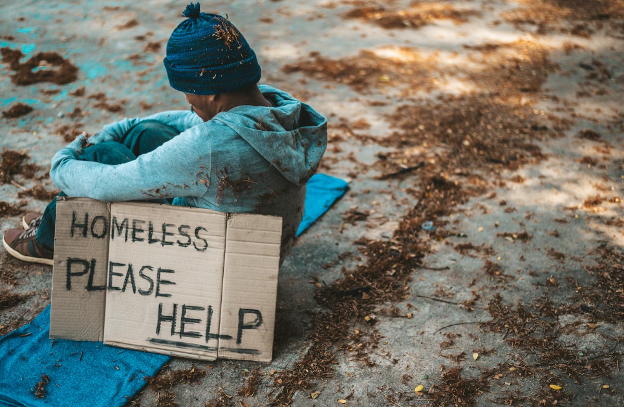
Humanitarian crises are complex events that threaten the well-being, dignity, and survival of individuals and communities, often resulting from a combination of factors such as conflict, natural disasters, economic instability, and social inequalities. These crises can lead to displacement, loss of life, destruction of infrastructure, and a breakdown of essential services, creating dire circumstances that require immediate and coordinated humanitarian intervention.
Causes and Triggers of Humanitarian Crises
Humanitarian crises arise from a multitude of interconnected causes and triggers. Armed conflict is a significant contributor, leading to displacement, food insecurity, and the erosion of social fabric. Natural disasters, such as earthquakes, floods, and droughts, can exacerbate vulnerabilities, particularly in regions with weak infrastructure and limited resources. Political instability, economic inequality, and social discrimination also play crucial roles in precipitating crises, further highlighting the complex nature of these events.
Early Warning Systems: Detecting and Preventing Crises
Early warning systems are vital tools in preventing and mitigating humanitarian crises. These systems involve the collection and analysis of data from various sources, including weather patterns, disease outbreaks, conflict dynamics, and socioeconomic indicators. By identifying emerging risks and trends, governments, medical associations, humanitarian organizations, and communities can take proactive measures to prevent crises. Early warning enables timely allocation of resources, implementation of preparedness plans, and the facilitation of coordinated responses.
Conflict Prevention and Peacebuilding Strategies
Addressing the root causes of conflict is crucial for preventing humanitarian crises. Conflict prevention and peacebuilding strategies focus on diplomatic efforts, mediation, and conflict resolution mechanisms to reduce tensions and promote stability. These initiatives often involve fostering dialogue, promoting social cohesion, and addressing grievances to prevent the escalation of violence that can lead to displacement and suffering.
Addressing Socioeconomic Disparities to Prevent Crises
Socioeconomic disparities contribute significantly to the vulnerability of populations facing humanitarian crises. Addressing these disparities involves implementing policies that ensure equitable access to education, healthcare, employment, and social services. By reducing inequalities and providing opportunities for economic advancement, societies can enhance resilience and decrease the risk of crises triggered by social unrest and discontent.
Climate Change Mitigation and Resilience Building
Climate change is a growing driver of humanitarian crises, exacerbating natural disasters and environmental challenges. Mitigation efforts, such as reducing greenhouse gas emissions and transitioning to sustainable energy sources, are essential to curbing the impact of climate change. Additionally, building resilience in vulnerable communities through climate-adaptive infrastructure, agricultural practices, and disaster preparedness can help mitigate the effects of climate-related crises.
Effective Governance and Human Rights Protection
Strong governance and the protection of human rights are fundamental to preventing humanitarian crises. Transparent and accountable governance structures can reduce corruption, promote social justice, and foster an environment of stability. Upholding human rights safeguards individuals from discrimination and violence, while also promoting inclusive and peaceful societies that are less prone to crisis.
Diplomacy and International Cooperation in Crisis Prevention
Humanitarian crises often transcend national borders, underscoring the importance of diplomacy and international cooperation. Collaborative efforts among governments, international organizations, and non-governmental actors are crucial for preventing conflicts, mediating disputes, and ensuring timely and effective humanitarian responses. Diplomatic initiatives can help address the underlying causes of crises and build lasting peace.
Investing in Education, Healthcare, and Social Services
Investments in education, healthcare, non-profit organizations for mental health, and social services play a vital role in crisis prevention. Access to quality education equips individuals with skills and knowledge that promote social and economic development, reducing the risk of instability. Adequate healthcare services contribute to community well-being and resilience, while robust social safety nets provide a buffer against economic shocks and social unrest.
Strengthening Disaster Preparedness and Response Mechanisms
Enhancing disaster preparedness and response mechanisms is essential for minimizing the impact of crises. This involves developing comprehensive plans, training first responders, stockpiling essential supplies, and conducting regular drills to ensure communities are ready to face various hazards. Strengthened disaster response capacities enable swift and efficient assistance, reducing the loss of life and enabling quicker recovery.
Conclusion
Understanding humanitarian crises and how to prevent them requires a holistic approach that addresses the multifaceted causes and triggers of such events. By focusing on conflict prevention, socio economic development, climate resilience, effective governance, and international cooperation, societies can significantly reduce the likelihood and severity of humanitarian crises. Proactive efforts to detect early warning signs and invest in education, healthcare, and disaster preparedness further contribute to building a more resilient and stable world, as well as providing medical relief where the impact of crises is minimized, and the well-being of all individuals is upheld.