
Why are designers turning to Akustikpaneele for minimalist interiors?
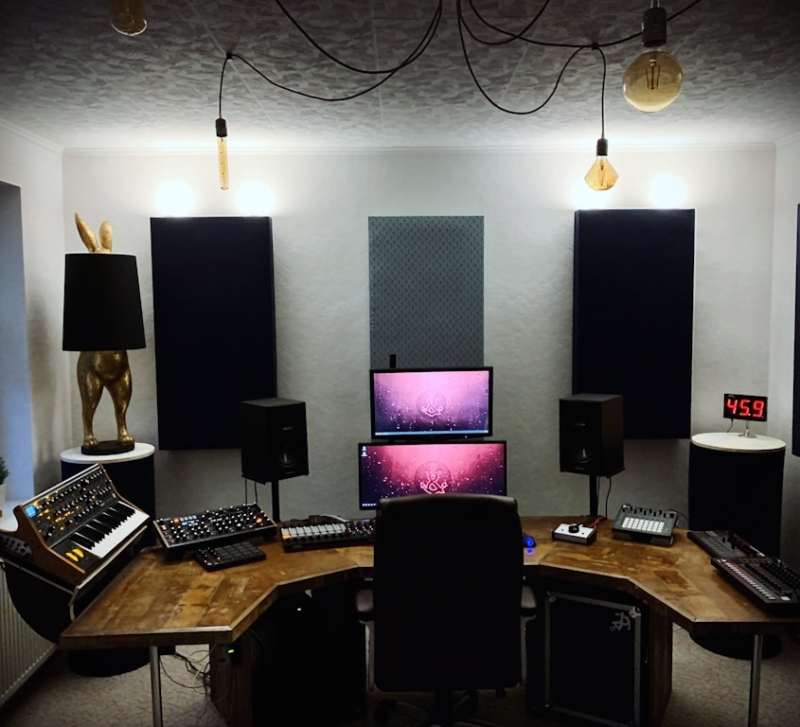
Minimalism in interiors may have slightly different connotations for each of us. However, we usually talk about harmony, simplicity and functionality. This is evident with the growing popularity of open-plan spaces, open-plan offices and home workspaces, but this has also presented a new challenge: acoustics.
Designers unanimously emphasize that aesthetics aren’t everything and that sound comfort has a real impact on the perception of a space. This is precisely why acoustic panels have become such an important element of modern, minimalist interiors and we want to discuss them today.
- Does minimalism require a conscious approach to acoustics?
- Why do acoustic panels fit so well into the minimalist aesthetic?
- In what spaces are acoustic panels most commonly used today?
If you’re wondering how acoustic needs influence contemporary minimalism, why acoustic panels fit perfectly into this style and in which spaces they are most widely used today, this article is for you.
Does minimalism require a conscious approach to acoustics?
A glance at minimalist interiors is enough to notice that they often utilize hard surfaces such as concrete, glass, or smooth wall panels. While visually cohesive and modern -hard to resist- they can contribute to reverberation and echoes.
Fortunately, designers are increasingly realizing that silence and sound control are as important as form. That’s why Akustikpaneele are appearing in such arrangements, absorbing or dispersing sound waves without disrupting the interior’s pure aesthetic. With their help, the space remains visually calm while also being significantly more acoustically comfortable – and that’s something to be appreciated.
Why do acoustic panels fit so well into the minimalist aesthetic?
You’ve probably also noticed that modern acoustic panels are designed with design in mind. Their simple lines, subdued colors and customizable options make them a perfect fit for minimalist interiors. This makes designers even more appreciative of the fact that the panels can serve a dual purpose – practical and decorative.
Absorbers, diffusers and hybrid solutions allow for reverberation control while also becoming a subtle element of the wall or ceiling design. This adds an extra layer of quality to minimalism, eliminating excess form or unnecessary detail and the overall effect is stunning.
In what spaces are acoustic panels most commonly used today?
It’s no wonder, then, that acoustic panels are increasingly appearing in creative offices, design studios, conference rooms and home offices. Interior designers are also eager to use them in living rooms, home cinemas and coworking spaces, where both aesthetics and work comfort are paramount. Furthermore, their ease of installation on walls and ceilings makes them adaptable to almost any interior. In minimalist designs, acoustic panels help create a space conducive to concentration, conversation and sound, without sacrificing simplicity and stylistic cohesion – so you’ll fall in love with them.